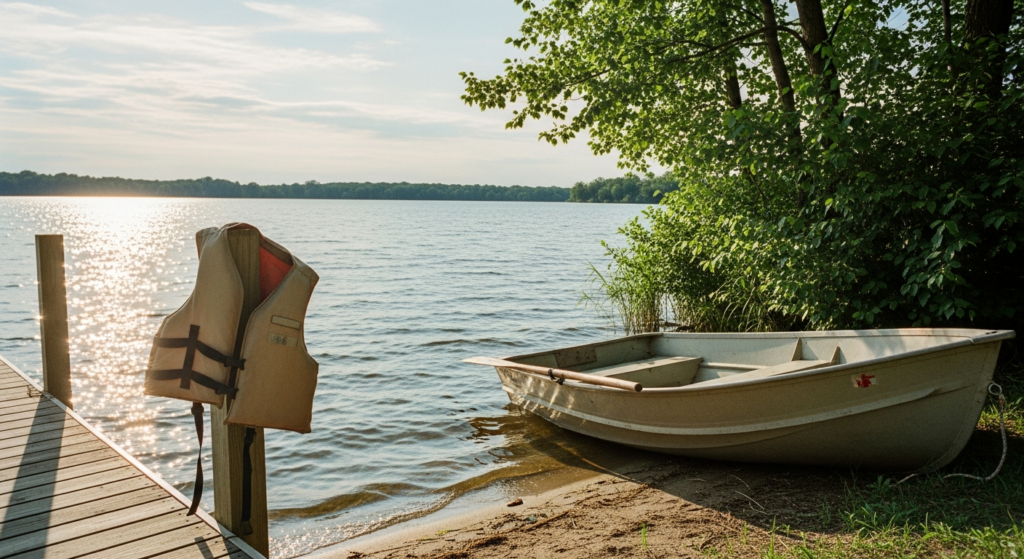
As residents of Clinton increasingly seek recreation on local waterways such as Lake Greenwood, the Enoree River, and Duncan Creek, a comprehensive safety guide has been issued, underscoring the importance of preventative measures against common summer hazards. The recommendations focus on protecting against sun exposure, maintaining proper hydration, recognizing heat-related illnesses, and adhering to essential boating safety protocols.
One of the primary concerns highlighted is the intensity of the sun’s ultraviolet (UV) radiation. The guide specifies that the sun’s rays are at their strongest between 10 AM and 4 PM. For anglers and recreational boaters spending extended periods on the water, this timeframe represents a period of significantly elevated risk. Furthermore, water surfaces can reflect up to 15% of UV radiation back at a person, effectively increasing their overall exposure. This reflective property means that even those partially shaded or wearing hats can still receive substantial UV doses from below, making comprehensive protection paramount for anyone enjoying fishing or boating near Clinton.
To combat the heightened risk of sun damage, the guide strongly recommends the consistent use of broad-spectrum sunscreen. A product with at least SPF 30 is advised for general outdoor activity, with SPF 50+ being the preferred choice for individuals anticipating extended exposure to water. Proper application is crucial: sunscreen should be applied approximately 30 minutes before heading outdoors to allow it to bind effectively with the skin. Reapplication is equally important, with a recommendation to renew coverage every two hours, or more frequently if sweating heavily or getting splashed, a common occurrence during active fishing trips on the Little River or Reedy Creek.
Beyond topical protection, physical barriers are also emphasized. Wearing lightweight, long-sleeved shirts and pants made from UPF-rated fabrics can provide a significant defense against UV penetration. These specialized fabrics are designed to block a high percentage of UV rays, offering a more consistent level of protection than sunscreen alone, which can wear off or be applied unevenly. A wide-brimmed hat, offering at least four inches of coverage all around, is recommended to shield the face, ears, and neck—areas particularly vulnerable to sun exposure. Additionally, polarized sunglasses with 100% UV protection are essential not only for reducing glare off the water, which can improve visibility for fishing, but also for safeguarding eye health from harmful UV radiation.
Maintaining adequate hydration is another cornerstone of summer safety. The guide outlines early indicators of dehydration, which include feelings of thirst, a dry mouth, decreased urination frequency, and general fatigue. Recognizing these initial signs is critical for prompt intervention. If dehydration progresses, more severe symptoms can manifest, such as dizziness, a rapid heartbeat, and confusion. Anglers on Lake Greenwood or other local bodies of water should carry ample water and drink regularly, even if they do not feel overtly thirsty, to prevent the onset of these conditions.
Heat-related illnesses pose a serious threat during Clinton’s warm summer months. The guide differentiates between heat exhaustion and heat stroke, both of which require immediate attention. Symptoms of heat exhaustion include heavy sweating, general weakness, nausea, headaches, and muscle cramps. If these symptoms appear, individuals should move to a cooler, shaded area, loosen clothing, and rehydrate with water or sports drinks. Heat stroke, however, is a medical emergency characterized by a high body temperature, typically above 103°F, an altered mental state, hot and dry skin (though sweating may still occur), a rapid pulse, and potentially unconsciousness. Anyone exhibiting signs of heat stroke requires immediate medical attention.
For those venturing out in boats on Lake Greenwood or other larger waterways, specific safety measures are advised. Preparing a float plan, which details the vessel’s route, expected return time, and contact information, and sharing it with a trusted person on shore, is a crucial step. Carrying a VHF radio is recommended for emergency communication, especially in areas where cell service may be unreliable. Furthermore, having extra water and emergency supplies on board is vital. The U.S. Coast Guard recommends carrying at least one gallon of water per person per day for emergency situations, ensuring that boaters have sufficient hydration if unexpected delays or breakdowns occur.
Why it matters in Clinton
Clinton, with its proximity to Lake Greenwood, the Enoree River, and numerous smaller creeks and reservoirs, is a hub for fishing and boating enthusiasts throughout the summer. The health and safety of residents and visitors enjoying these natural assets is a priority for local institutions. Adhering to these safety guidelines can significantly reduce the incidence of sun-related injuries, heat illnesses, and boating accidents, thereby lessening the burden on emergency services and healthcare providers like the Laurens County Health Care System (Prisma Health). By taking proactive steps, individuals can ensure their recreational activities remain enjoyable and safe, contributing to the overall well-being of the Clinton community and preserving access to its cherished outdoor spaces.