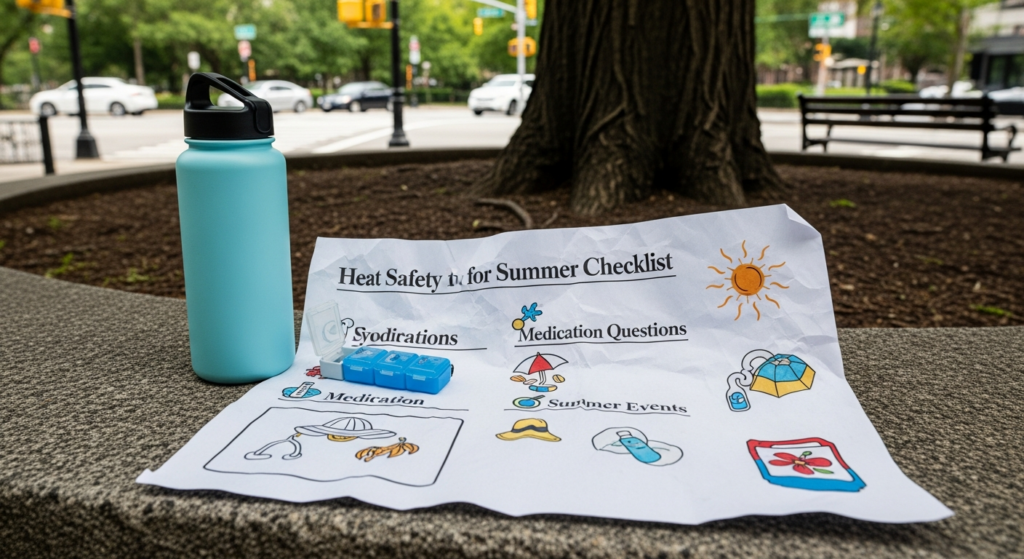
A renewed focus on public health in Clinton emphasizes the critical intersection of summer heat and medication management, prompting healthcare professionals to offer guidance for safe participation in outdoor activities. With the warmer months bringing opportunities for recreation and community gatherings, understanding how high temperatures can affect the body and the efficacy of various medications is paramount.
High ambient temperatures can pose significant challenges to the body’s natural cooling mechanisms. When the body struggles to dissipate heat, it can lead to conditions ranging from heat cramps and heat exhaustion to the more severe and life-threatening heatstroke. These risks are amplified for individuals with pre-existing health conditions, older adults, young children, and those taking certain prescription medications.
### Understanding Medication Interactions with Heat
Many common medications can alter the body’s response to heat, either by affecting its ability to regulate temperature or by increasing susceptibility to dehydration. For residents of Clinton, particularly those managing chronic conditions, consulting with a healthcare provider about specific medications and heat exposure is a crucial step in summer planning.
Common medication categories that warrant discussion with a clinician include:
* Diuretics (Water Pills): Often prescribed for high blood pressure or heart failure, these medications increase urine output, which can heighten the risk of dehydration in hot weather.
* Blood Pressure Medications: Some antihypertensives, such as beta-blockers, can reduce the body’s ability to increase heart rate and blood flow to the skin, impeding natural cooling. Others, like ACE inhibitors, can affect kidney function, which is critical for fluid balance.
* Antihistamines and Decongestants: Used for allergies and colds, these can sometimes reduce sweating, a vital cooling mechanism.
* Certain Psychiatric Medications: Antidepressants, antipsychotics, and mood stabilizers can interfere with the body’s temperature regulation, making individuals more vulnerable to heat-related illnesses.
* Stimulants: Medications for ADHD, for example, can increase metabolic rate and body temperature.
* Thyroid Hormones: Adjustments may be necessary as heat can affect metabolism.
* Insulin and Other Diabetes Medications: Heat can impact blood sugar levels and the stability of insulin, which can degrade if not stored properly.
Beyond physiological effects, the physical storage of medications is also a consideration. Many drugs must be kept at room temperature, and exposure to the extreme heat inside a parked car or an uncooled outdoor setting can diminish their potency or render them ineffective. When planning errands or attending outdoor events in Clinton, residents should ensure medications are transported and stored according to their specific instructions.
### Prioritizing Hydration and Symptom Awareness
Effective hydration is a cornerstone of heat safety. It is recommended to drink plenty of fluids, primarily water, even if not feeling thirsty. For those engaging in prolonged outdoor activities, such as walks along the Duncan Creek Nature Trail or attending events at Presbyterian College Founder’s Green, sports drinks can help replenish electrolytes lost through sweat, but should be consumed in moderation and after consulting a doctor, especially for individuals with certain health conditions. Beverages containing alcohol, excessive caffeine, or high sugar content should be limited as they can contribute to dehydration.
Recognizing the early signs of heat-related illness is vital for timely intervention. Symptoms of heat exhaustion include heavy sweating, cold, pale, and clammy skin, a fast and weak pulse, nausea or vomiting, muscle cramps, tiredness, dizziness, and headache. If these symptoms occur, individuals should move to a cooler place, loosen clothing, sip water, and apply cool, wet cloths to the body. If symptoms worsen or last longer than an hour, or if vomiting occurs, medical attention should be sought.
Heatstroke is a medical emergency characterized by a body temperature of 103°F or higher, hot, red, dry or damp skin, a fast and strong pulse, confusion, dizziness, and potential loss of consciousness. In such cases, immediate emergency medical care is necessary. While awaiting help, individuals should try to cool the person down with cool cloths or a bath.
### Planning for Outdoor Activities in Clinton
Summer in Clinton offers numerous opportunities to enjoy the outdoors, from family outings at Clinton City Park to visits to Lake Greenwood State Park. Thoughtful planning can mitigate heat risks:
* Timing: Schedule outdoor activities for the coolest parts of the day, typically early morning or late evening, avoiding the peak sun hours between 10 a.m. and 4 p.m.
* Clothing: Opt for lightweight, loose-fitting, and light-colored clothing that allows the skin to breathe and reflects sunlight.
* Sun Protection: Apply broad-spectrum sunscreen with an SPF of 30 or higher, wear a wide-brimmed hat, and sunglasses to protect against UV radiation.
* Rest and Shade: Take frequent breaks in shaded areas or air-conditioned spaces. Many local businesses and public facilities in Historic Downtown Clinton offer respite from the heat.
* Stay Informed: Monitor local weather forecasts and heat advisories issued by the City of Clinton or Laurens County authorities.
For any specific medical concerns or questions regarding medication management in hot weather, residents are encouraged to consult their primary care physician or contact Laurens County Health Care System (Prisma Health) for professional medical advice. Proactive communication with healthcare providers ensures personalized guidance tailored to individual health needs.
### Why it matters in Clinton
For the community of Clinton, understanding and implementing heat safety measures, particularly concerning medication, is more than a general health recommendation; it is a critical component of public well-being. With a significant portion of the population engaged in outdoor activities during the summer, from students and faculty at Presbyterian College enjoying campus grounds to families utilizing Clinton City Park, the potential for heat-related health issues is ever-present. Laurens County Health Care System (Prisma Health) stands as a vital resource, providing essential medical services and expert advice to help residents navigate these challenges safely. Ensuring that every individual, especially those with chronic health conditions, is equipped with the knowledge to manage their health in the heat contributes directly to a healthier, more resilient Clinton community, allowing everyone to enjoy the season responsibly and without undue risk. The City of Clinton also plays a role in disseminating public safety information, reinforcing the collective effort to keep residents safe. This collective vigilance helps prevent avoidable emergencies and supports the overall health infrastructure of the city.