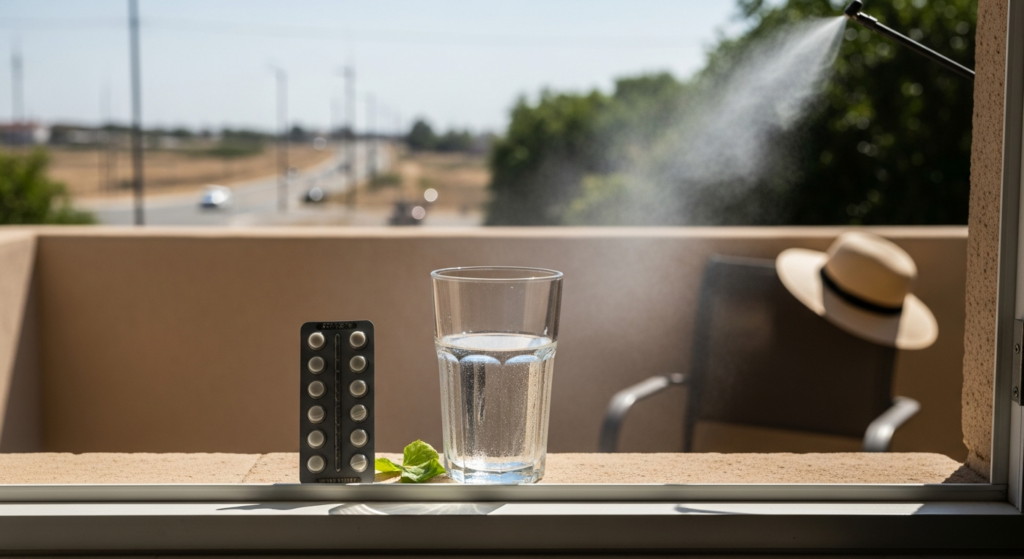
Medical professionals are issuing warnings for individuals using GLP-1 medications to closely monitor their hydration levels, especially during periods of extreme heat. The advice comes as Clinton, like many areas, experiences warmer summer temperatures.
Health coverage and local broadcast reports have highlighted a shared safety concern regarding appetite, fluid intake, and hot weather for those on these medications. GLP-1 agonists, commonly prescribed for conditions like type 2 diabetes and weight management, can affect appetite and digestion, which might inadvertently lead to reduced fluid consumption.
Doctors emphasize that maintaining adequate hydration is crucial for overall health, and even more so when temperatures rise. Symptoms of dehydration can include dizziness, fatigue, dry mouth, and reduced urination. In severe cases, dehydration can lead to heat exhaustion or heatstroke, which are serious medical emergencies.
Individuals taking GLP-1 medications are advised to consult with their qualified clinicians for personalized medical decisions and guidance on managing hydration during the summer months. This general health advisory aims to ensure patient safety and well-being.
### Why it matters in Clinton
This medical advisory holds particular relevance for residents of Clinton, especially as the community navigates the ongoing summer season. With many individuals in Laurens County potentially using GLP-1 medications, understanding and acting on these hydration warnings is vital. Local healthcare providers, including those at Laurens County Health Care System (Prisma Health), are prepared to offer guidance to their patients. Ensuring proper hydration can help prevent heat-related illnesses, which can place additional strain on local emergency services and impact the health of the community. Staying informed about personal health needs during periods of high temperatures is a key aspect of public health in Clinton.