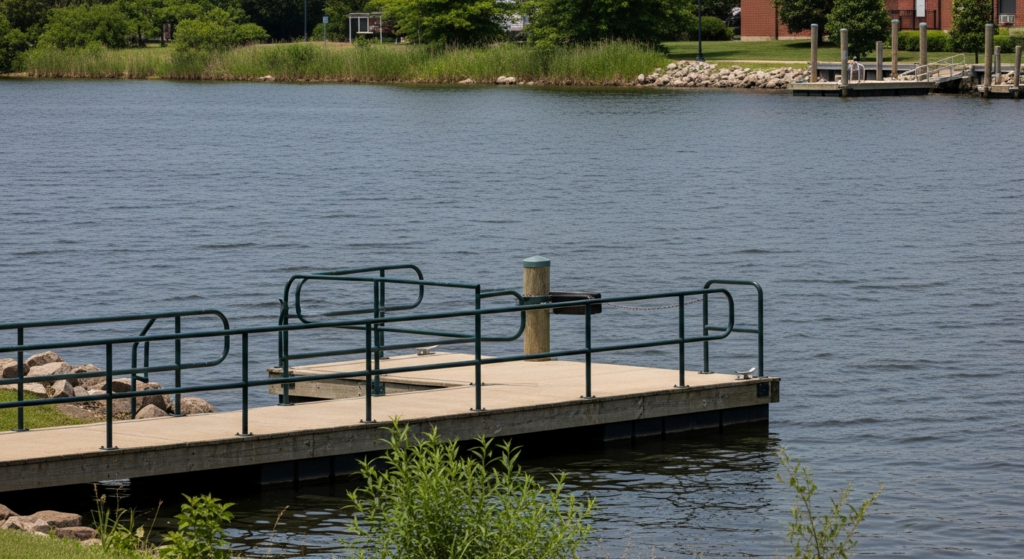
Anglers venturing onto Clinton’s lakes and rivers this summer are encouraged to review a recently detailed safety guide, which emphasizes precautions against the season’s elevated risks, including intense sun exposure, dehydration, and heat-related emergencies. The guidance is particularly pertinent for those spending extended periods on open water, such as Lake Greenwood, or navigating the more secluded stretches of the Enoree River or Duncan Creek.
One of the primary concerns highlighted in the guide is protection from the sun’s potent ultraviolet (UV) radiation. The sun’s rays are at their strongest between 10 AM and 4 PM, a timeframe that often coincides with peak fishing activity. Compounding this risk, water surfaces can reflect a significant portion of UV radiation, potentially increasing exposure by up to 15%. This reflective quality means that even under cloudy skies, or when partially shaded, individuals on the water may experience higher levels of UV intensity than on land.
To mitigate these risks, the guide strongly recommends the use of broad-spectrum sunscreen with a sun protection factor (SPF) of at least 30. For those anticipating extended periods on the water, or for individuals with sensitive skin, an SPF of 50 or higher is suggested. Proper application is crucial: sunscreen should be applied generously at least 30 minutes before heading outdoors to allow it to bind effectively with the skin. Reapplication is equally important, with a recommendation to reapply every two hours, or more frequently if sweating heavily, swimming, or getting splashed, which is common during active fishing.
Beyond topical protection, physical barriers are also a key component of sun safety. The guide advises wearing lightweight, long-sleeved clothing with a UPF (Ultraviolet Protection Factor) rating, which indicates how much UV radiation the fabric blocks. Light-colored garments are preferred as they reflect sunlight rather than absorbing it, helping to keep the body cooler. A wide-brimmed hat, offering at least four inches of coverage around the entire head and neck, provides essential shade for the face, ears, and neck. Finally, polarized sunglasses with 100% UV protection are recommended not only to protect the eyes from harmful rays but also to reduce glare off the water, improving visibility for fishing.
Maintaining adequate hydration is another critical aspect of summer safety, especially when engaged in physical activity like fishing. The guide recommends drinking at least 8 ounces of water every 15 to 20 minutes during active fishing trips. Proactive hydration is also stressed, suggesting that individuals begin hydrating the night before their outing. Conversely, beverages high in caffeine or alcohol should be avoided, as they can contribute to dehydration rather than alleviate it, making anglers more susceptible to heat-related illnesses.
Recognizing the signs of dehydration early can prevent more severe complications. Initial symptoms include increased thirst, a dry mouth, decreased urination, and general fatigue. If these early warnings are ignored, dehydration can progress to more serious conditions, manifesting as dizziness, a rapid heartbeat, and confusion. Anglers experiencing these more severe symptoms should seek shade immediately, begin rehydrating, and consider cutting their trip short.
Heat stroke represents a life-threatening medical emergency. The guide describes it as a condition where the body’s temperature regulation system fails, potentially leading to a body temperature above 103°F. Symptoms can include an altered mental state, which might involve confusion, irritability, or disorientation; hot and dry skin (though sweating may still occur in some cases); a rapid, strong pulse; and, in severe instances, unconsciousness. If heat stroke is suspected, immediate action is paramount: call 911 without delay and begin aggressive cooling measures, such as moving the individual to a cooler environment, applying cool, wet cloths, or immersing them in cool water if safe to do so. Access to emergency services in Clinton, including the Laurens County Health Care System (Prisma Health), is vital in such situations.
For those venturing onto larger bodies of water, such as Lake Greenwood, additional boat-fishing precautions are outlined. Anglers should always check their engine cooling system before departure to prevent breakdowns that could leave them stranded in the heat. Maintaining all safety equipment, including life jackets, flares, and first-aid kits, is non-negotiable. Filing a float plan with a trusted contact, detailing the planned route, destination, and expected return time, provides a crucial safety net. Carrying extra water and emergency supplies, including a functional VHF radio for communication, is also advised. The guide suggests having at least one gallon of water per person per day onboard for emergencies, especially on longer excursions.
Why it matters in Clinton
For the many residents of Clinton who enjoy fishing in the surrounding lakes and rivers, understanding and implementing these safety measures is not merely a recommendation but a critical aspect of enjoying the summer season responsibly. With popular local spots like Lake Greenwood and the Enoree River drawing anglers, the potential for sun exposure and heat-related issues is significant. Adhering to these guidelines helps ensure that recreational activities remain safe and enjoyable, reducing the burden on local emergency services, including the Clinton Police Department and Laurens County Health Care System (Prisma Health), should an incident occur. Mayor Comer H. “Randy” Randall has often emphasized the importance of community safety, and these precautions align directly with promoting well-being across the city.