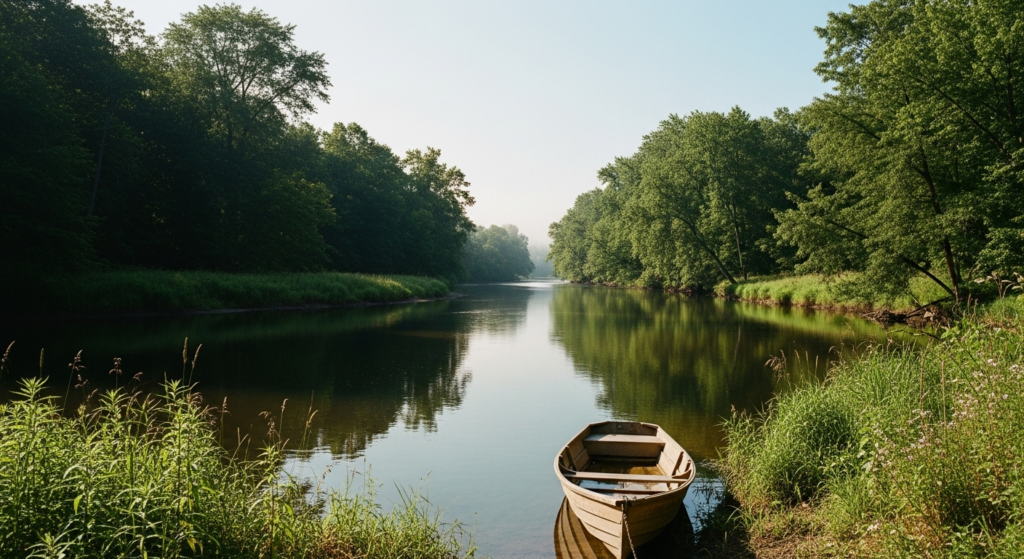
Anglers across Clinton and Laurens County are being encouraged to review a new comprehensive safety guide designed to mitigate risks associated with fishing during the warm summer season. The guide, which details best practices for sun protection, hydration, recognizing heat-related illnesses, and emergency preparedness, is particularly relevant as residents continue to frequent local waterways such as Lake Greenwood, the Enoree River, Duncan Creek, and the Little River.
The document emphasizes that the sun’s ultraviolet (UV) rays are at their most intense between 10 AM and 4 PM, a period when many anglers are often on the water. A critical detail highlighted is that water surfaces can reflect up to 15% of UV radiation, significantly increasing exposure even when partially shaded. To counter this, the guide recommends using a broad-spectrum sunscreen with a minimum Sun Protection Factor (SPF) of 30. For extended periods on the water, an SPF of 50 or higher is strongly advised. Proper application involves applying sunscreen 30 minutes before going outdoors and reapplying it every two hours, or more frequently if sweating heavily or after splashing in the water.
Beyond sunscreen, protective clothing is a cornerstone of the recommendations. Lightweight, long-sleeved clothing with a UPF (Ultraviolet Protection Factor) rating is suggested to create a physical barrier against the sun. A wide-brimmed hat, offering at least four inches of coverage around the entire head and neck, is also crucial. Completing the sun protection ensemble are polarized sunglasses that provide 100% UV protection, safeguarding eyes from both direct and reflected sunlight, which can contribute to long-term eye damage.
Hydration is another central theme, with the guide stressing proactive measures to prevent dehydration. Anglers are advised to begin hydrating the night before a fishing trip and to consume at least eight ounces of water every 15 to 20 minutes while actively fishing. The guide explicitly warns against beverages high in caffeine or alcohol, as these can contribute to dehydration rather than alleviate it. Recognizing the early signs of dehydration is key to preventing more serious conditions; these include increased thirst, a dry mouth, decreased urination, and general fatigue. More severe symptoms, such as dizziness, a rapid heartbeat, and confusion, indicate a more advanced state of dehydration requiring immediate attention.
Understanding and responding to heat illness is presented as a critical safety skill. The guide outlines the severe symptoms of heat stroke, which constitutes a medical emergency. These symptoms include a body temperature exceeding 103°F, an altered mental state (such as confusion or irritability), hot and dry skin (though sweating may still occur), a rapid pulse, and potential unconsciousness. In such cases, the guide unequivocally states to call 911 immediately and begin aggressive cooling measures while awaiting emergency medical services. Less severe, but still serious, heat exhaustion can precede heat stroke and presents with heavy sweating, cold, clammy skin, a fast, weak pulse, nausea, muscle cramps, and faintness. Recognizing these earlier signs allows for intervention before a life-threatening situation develops.
For those venturing onto Lake Greenwood or other larger bodies of water by boat, specific additional precautions are detailed. Prior to departure, boaters should check their engine cooling system to prevent breakdowns that could leave them stranded. Filing a float plan with a trusted contact, detailing the planned route, expected return time, and number of passengers, is a vital safety measure. Carrying extra water and a comprehensive set of emergency supplies, including a functional VHF radio for communication in areas with unreliable cell service, is also recommended. The guide specifies having at least one gallon of water per person per day for emergencies, ensuring sufficient hydration if unexpected delays occur.
Why it matters in Clinton
The release of this comprehensive safety guide holds particular significance for Clinton, a community with strong ties to its surrounding natural environment and waterways. With residents frequently enjoying fishing and boating on Lake Greenwood, the Enoree River, and other local creeks and reservoirs, understanding these precautions is not merely advisory but essential for public health and safety. The recommendations directly impact the well-being of individuals and can alleviate strain on local emergency services, including the Clinton Fire Department and Laurens County Health Care System (Prisma Health), which would respond to heat-related emergencies or boating incidents. By adopting these practices, local anglers contribute to a safer recreational environment, ensuring that the summer months remain a time for enjoyment rather than preventable medical crises in Clinton and its immediate surroundings.