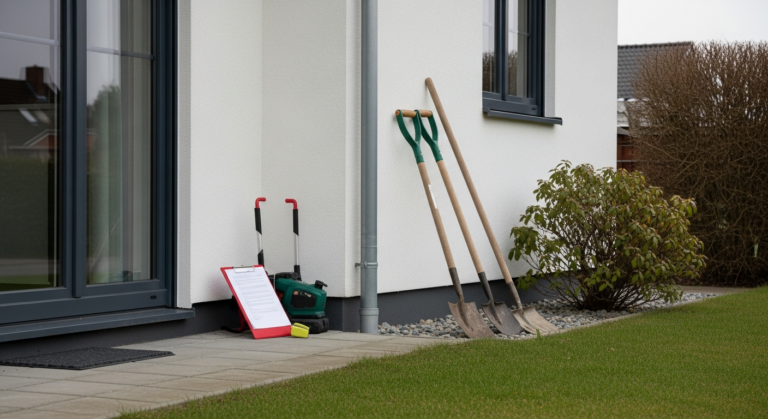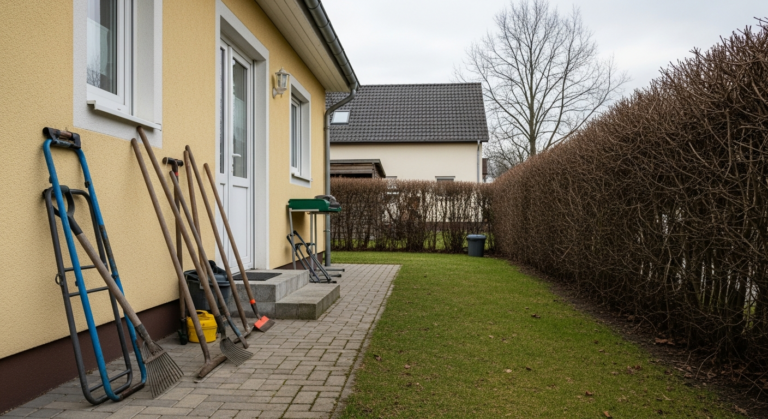
A comprehensive guide detailing storm preparation strategies for homeowners has been updated, offering a multi-phase checklist designed to protect properties and ensure family safety ahead of severe weather events. The resource, initially published on October 14, 2025, and revised on May 27, 2026, provides actionable steps ranging from long-term maintenance to immediate pre-storm actions, relevant for residents across Clinton and Laurens County.
The guide emphasizes a proactive approach, recommending that basic preparations begin two to three months before the typical storm season. As a specific storm threat emerges, a more focused protection plan should be activated three to five days prior to the forecasted event, with final critical actions completed within 24 hours of its anticipated arrival. This phased approach allows homeowners to systematically address potential vulnerabilities without last-minute panic.
Exterior Safeguards: Protecting the First Line of Defense
One of the initial phases of preparation focuses on the home’s exterior, which serves as the primary barrier against wind and water damage. The guide advises a thorough inspection of roofs, looking for loose, cracked, or missing shingles, as well as damaged flashing around chimneys and vents. Addressing these issues proactively can prevent significant water intrusion during heavy rains and high winds, a common concern for properties in areas like Hampton Woods or Beasley Estates, where mature trees are prevalent.
Cleaning gutters and downspouts is another critical step. Clogged gutters can cause water to overflow, leading to fascia damage, foundation issues, and even basement flooding. The guide specifically recommends directing downspout water at least five to ten feet away from the foundation. This simple measure helps prevent water from pooling around the house, which can compromise the foundation and lead to costly repairs over time, particularly important in areas with varied terrain like those near Duncan Creek.
Tree maintenance is also highlighted, with a strong recommendation to trim branches that are within ten feet of the home or power lines. Such branches pose a significant hazard during high winds, potentially causing structural damage to the house or disrupting electrical service. Securing loose outdoor items, such as patio furniture, grills, and decorative elements, is essential to prevent them from becoming dangerous projectiles. Finally, checking the integrity of windows and doors, including their seals and locks, helps ensure they can withstand strong winds and prevent water leaks.
Foundation and Drainage: Mitigating Water Damage
The guide dedicates a significant section to protecting the home’s foundation and ensuring proper drainage, a crucial aspect given Clinton’s location within the Enoree River watershed and proximity to various waterways. It advises homeowners to grade the soil around their foundation so that it slopes at least six inches over a ten-foot distance away from the house. This directs rainwater away from the structure, preventing saturation of the soil adjacent to the foundation, which can lead to hydrostatic pressure and cracks.
Sump pumps, particularly in homes with basements or crawl spaces, require regular testing to ensure they are operational. A malfunctioning sump pump can quickly lead to severe flooding during heavy rainfall. Identifying vulnerable entry points, such as basement windows, ground-level doors, or utility penetrations, allows homeowners to take targeted protective measures like sealing cracks or installing flood barriers. Checking basement and garage floor drains ensures they are clear of debris and functioning correctly, providing an escape route for any water that might accumulate indoors.
Indoor Readiness and Emergency Supplies: Sustaining Safety
Preparing the interior of the home involves assembling an emergency supply kit designed to sustain residents for at least 72 hours. This kit should include one gallon of water per person per day, non-perishable food items, flashlights, and an ample supply of batteries. First-aid supplies, essential medications, and a battery-powered or hand-crank radio are also critical for staying informed if power outages affect communication networks.
Phone chargers, especially portable power banks, are vital for keeping devices operational. The guide also recommends having a supply of cash on hand, as electronic payment systems may be unavailable during widespread power outages. For households with pets, appropriate pet supplies, including food, water, and any necessary medications, must be included in the emergency kit. These provisions are particularly important for families living in neighborhoods like Southwood or College View, where access to services might be temporarily disrupted.
Immediate Pre-Storm Actions: The Final Countdown
When a specific storm is forecast to impact Clinton, the guide outlines a series of urgent actions to be completed. Bringing all loose outdoor items inside, or securing them firmly, prevents them from causing damage. Installing shutters or plywood over windows and glass doors provides an extra layer of protection against flying debris. Placing sandbags around vulnerable entry points, especially in low-lying areas or homes prone to flooding, can divert water away from the structure.
Filling bathtubs and other large containers with water ensures a reserve for washing and flushing toilets if the municipal water supply is interrupted. Charging all electronic devices, including phones, laptops, and power banks, maximizes communication capabilities. Filling vehicle fuel tanks ensures transportation is available if evacuation becomes necessary, or for running generators. Moving valuable items and important documents to higher floors can protect them from potential flood damage. Finally, documenting the home’s condition with photos or videos before the storm provides crucial evidence for insurance claims if damage occurs.
When to Call for Professional Help
The resource also provides clear thresholds for when professional assistance is warranted, underscoring the importance of safety and expertise. Homeowners should seek professional help for significant roof damage, which can compromise the entire structure. Dangerous or diseased trees, especially those near power lines or the home, require professional removal or trimming to prevent catastrophic failure. Foundation or water-seepage problems, if persistent or severe, often indicate underlying structural issues that require expert assessment.
Sump pump installation or replacement, if beyond a homeowner’s capability, should be handled by a qualified professional. Electrical hazards, visible mold growth (which can indicate extensive water damage), and any signs of structural damage to the home’s framework demand immediate professional attention. Gas leaks, downed power lines, active water intrusion that cannot be contained, and sewage backups are all critical situations that require emergency services and specialized contractors.
The guide, authored by Rob Temples, draws on his more than ten years of experience in the restoration industry and his IICRC Water Restoration Technician certification. This background lends credibility to the comprehensive advice provided, which also includes safety guidance, troubleshooting thresholds, annual maintenance recommendations, technology tools, room-by-room steps, emergency contacts, and post-storm instructions, offering a holistic approach to home preparedness.
Why it matters in Clinton
For residents of Clinton, understanding and implementing these storm preparation guidelines is crucial, particularly as summer progresses and the risk of severe weather, including heavy thunderstorms and the remnants of tropical systems, increases. The advice directly impacts the safety and financial well-being of families and businesses throughout Laurens County. Proactive measures can significantly reduce the burden on local emergency services, such as the Clinton Police Department and Laurens County Health Care System, by preventing widespread damage and injuries. Neighborhoods like Historic Downtown Clinton, with their older structures, or those near waterways like the Little River, are particularly susceptible to certain types of storm damage, making these preparations not just advisable, but essential for community resilience. Adhering to these recommendations helps ensure that Clinton remains prepared to face the challenges of severe weather, protecting its infrastructure and its people.