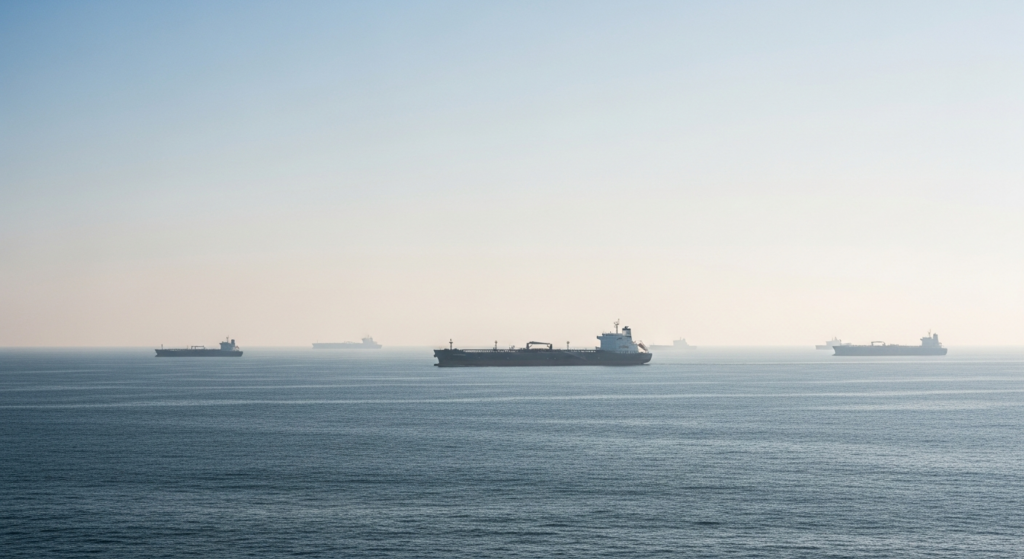
Renewed hostilities between the United States and Iran in the vicinity of Iranian ports and the critical Strait of Hormuz have triggered a sharp rise in global oil prices, sparking concern among energy markets and shipping industries. The escalation, confirmed during the July 15 cycle, centers on the U.S. reimposition of a blockade around Iranian ports, a move that directly impacts one of the world’s most vital maritime chokepoints for crude oil shipments.
The Strait of Hormuz, a narrow passage connecting the Persian Gulf with the Arabian Sea, is indispensable for global energy flows. A substantial portion of the world’s seaborne oil passes through this waterway daily, making any disruption a significant threat to international energy supply and pricing stability. The U.S. action effectively tightens restrictions on Iranian shipping, intensifying an already volatile geopolitical situation.
In response to the heightened tensions, crude oil prices have surged, reaching a one-month high. Energy market analysts are closely monitoring the situation, noting that sustained disruptions or further escalation could lead to more pronounced and prolonged price increases. The immediate impact is felt in the cost of crude, which quickly translates to higher prices at the pump for consumers and increased operational costs for businesses reliant on transportation.
The ongoing situation underscores the fragility of global supply chains and the interconnectedness of international events with domestic economic realities. For communities like Clinton, fluctuations in global energy markets can have tangible effects, influencing everything from the cost of goods transported into the area to the daily expenses of residents commuting to work or school. The blockade’s potential to disrupt shipping adds another layer of uncertainty, though specific impacts on non-energy goods are still being assessed.
While the primary theater of these developments is thousands of miles away, the economic reverberations are global. The rise in oil prices directly affects the cost of gasoline and diesel, which are fundamental inputs for many sectors. Local businesses in Clinton, from logistics operations to retail, could face increased overheads, potentially leading to adjustments in pricing or operational strategies. Residents may also see their household budgets stretched further by higher fuel costs. The situation highlights how international geopolitical events can quickly translate into pocketbook issues for families and businesses in Clinton.