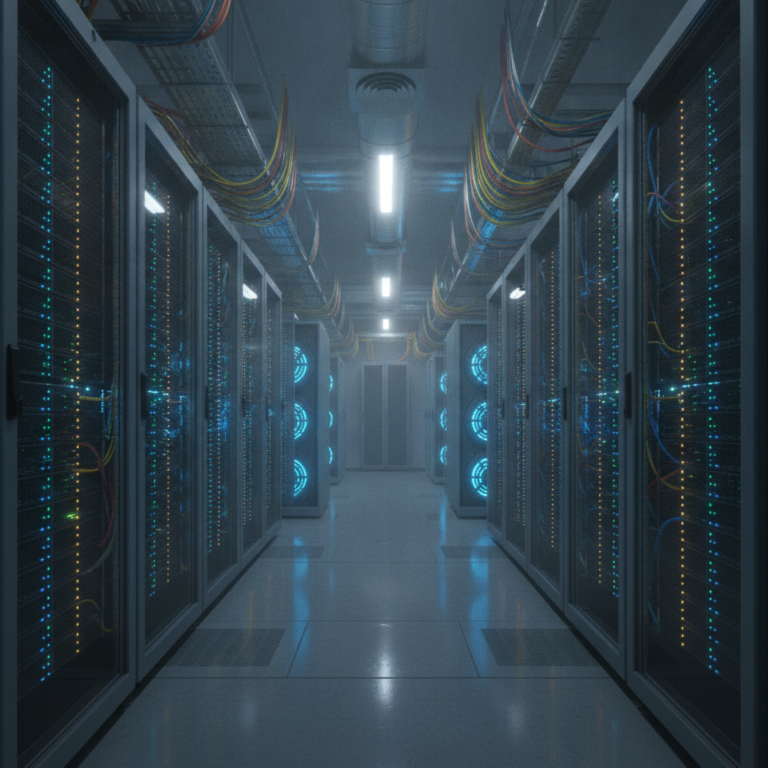
The expanding global demand for artificial intelligence infrastructure is beginning to exert pressure on the supply chains for key electronic components, a development that could translate into higher prices for consumer devices in Clinton and beyond. This trend, driven by the rapid growth of AI technologies, is creating a ripple effect across the technology sector.
At the core of the issue is the intense need for advanced memory and storage solutions required by AI systems. These systems, which power everything from large language models to complex data analytics, demand vast quantities of high-performance components to process and store immense datasets. Manufacturers of these specialized chips are increasingly prioritizing the AI sector, where profit margins are currently higher and demand is surging.
This shift in manufacturing focus and resource allocation means that the availability of memory and storage components for traditional consumer electronics — such as smartphones, personal computers, and gaming consoles — could become tighter. While consumer devices typically use different specifications of these components compared to high-end AI servers, the underlying manufacturing capacity and raw materials are often shared. As a result, a constrained supply environment can lead to increased costs for all types of memory and storage, ultimately impacting the retail prices of finished consumer products.
Technology and business analysts have described this dynamic as a potential source of price pressure across the consumer electronics market. While no specific local price guarantees can be made, the general economic principle of supply and demand suggests that if component costs rise, manufacturers of consumer devices will likely pass some of those increased expenses on to consumers. This could mean that residents looking to upgrade their smartphones, purchase new laptops for work or school, or invest in the latest gaming console might find prices higher than they have been historically.
This global trend underscores the interconnectedness of technological advancements and everyday consumer markets. As AI continues to evolve and integrate into more aspects of industry and daily life, its foundational hardware requirements will continue to shape the broader electronics landscape, influencing purchasing decisions for households and institutions in Clinton.
### Why it matters in Clinton
The potential for increased consumer device prices holds relevance for various segments of the Clinton community. Students attending Presbyterian College, for instance, frequently rely on personal computers and tablets for their academic work, and any significant price increases could affect their budgeting for essential tools. Similarly, local employers like Laurens County Health Care System and the City of Clinton depend on a steady supply of functional and affordable technology to maintain operations, manage data, and provide services. Households across Clinton utilize a range of consumer electronics for communication, education, and entertainment, making potential price shifts a factor in family budgets. The broader economic impact of these global supply chain dynamics could necessitate careful consideration for both individual consumers and institutional purchasing departments within the city.