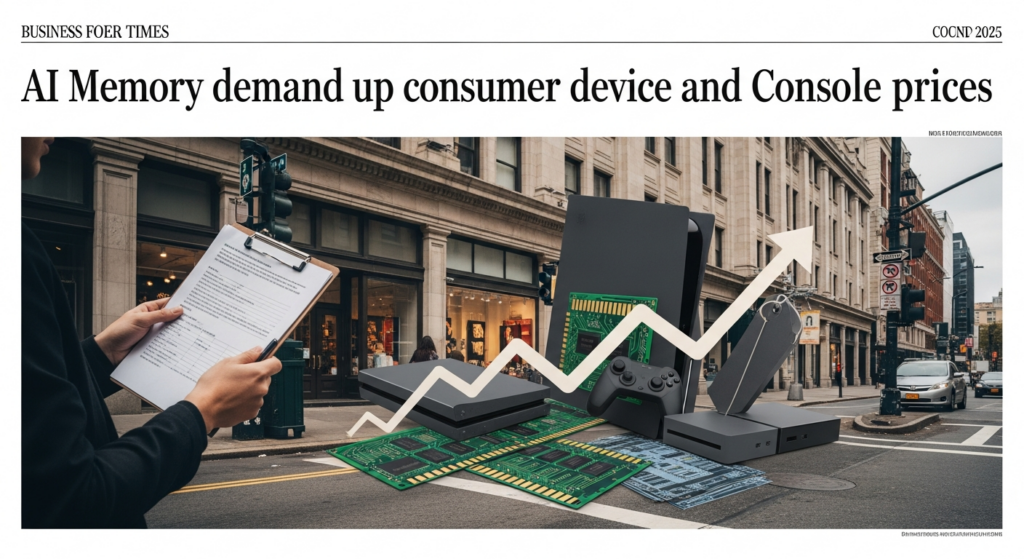
The burgeoning demand for specialized memory and storage components, primarily driven by the rapid expansion of artificial intelligence technologies, is beginning to exert pressure on the global supply chain for consumer electronics. This trend, observed across technology and business sectors, suggests that the cost of devices reliant on these components, such as personal computers, gaming consoles, and smartphones, could see upward adjustments.
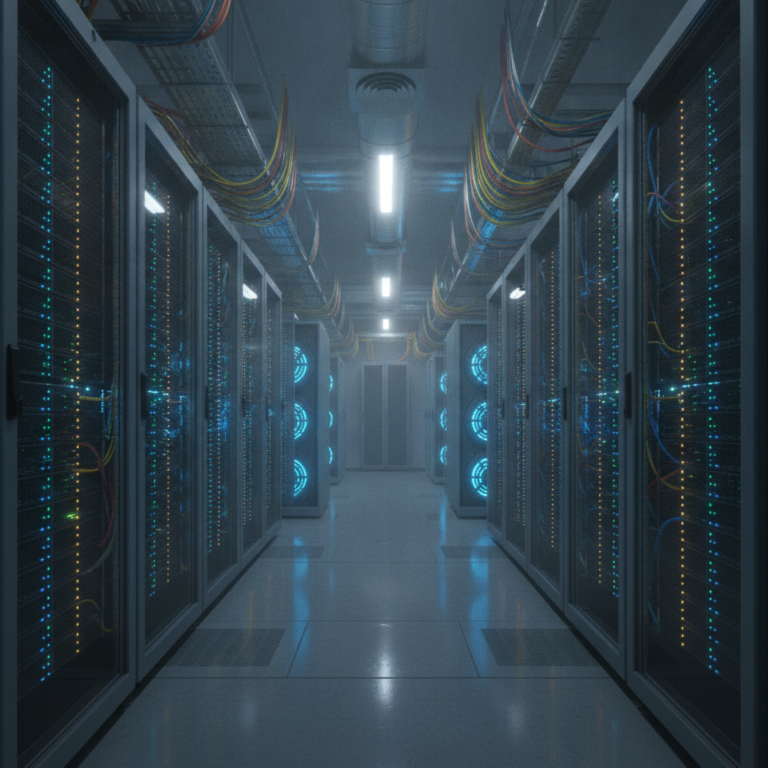
Artificial intelligence systems, particularly those involved in complex data processing, machine learning, and large language models, require immense computational power and, consequently, vast quantities of high-bandwidth memory chips. These chips are essential for the efficient training and operation of AI models, which process and store enormous datasets. As investment in AI infrastructure continues to surge, the manufacturers of these critical memory components are increasingly prioritizing the AI sector, where profit margins are often higher and demand is robust.
This shift in manufacturing focus and allocation of resources has a direct impact on the availability of memory and storage solutions for other industries, including the consumer electronics market. When supply tightens for components that are integral to everyday devices, the natural economic consequence is often an increase in their wholesale cost. These higher costs are then typically passed down to consumers through retail pricing.
For residents and businesses in Clinton, this global economic dynamic means that purchasing new technological devices may become more expensive in the coming months and years. Whether it’s a family looking to upgrade a home computer, a student at Presbyterian College needing a new laptop for studies, or a local small business investing in new workstations, the underlying cost of these essential tools could be influenced by the broader AI boom. The market for consumer electronics is highly interconnected, and supply chain pressures felt at a global level inevitably translate to local retail environments.
While specific price guarantees are not possible, the general trend indicates a potential for consumers to face higher prices or more limited availability for certain models as manufacturers navigate the competitive landscape for memory components. This situation underscores the intricate relationship between cutting-edge technological advancements and the everyday costs faced by households and enterprises.
### Why it matters in Clinton
The ripple effects of global AI demand on technology pricing hold particular relevance for Clinton, a community with a strong educational and healthcare presence. Institutions like Presbyterian College and Laurens County School District 56, along with major employers such as Laurens County Health Care System (Prisma Health) and the City of Clinton, rely heavily on a steady supply of affordable and high-performing technology. Potential increases in the cost of computers, servers, and other digital infrastructure could impact operational budgets, affecting everything from classroom technology upgrades to administrative efficiency and patient care systems. Furthermore, individual students and employees across Clinton who depend on personal devices for work, education, and communication may find their purchasing power diminished, making essential technology less accessible. This global market shift highlights how even distant technological advancements can have tangible economic consequences for local institutions and residents in Clinton.