
How to Safely Navigate the Challenges of DIY Roofing Projects: Essential Tips for Homeowners
Undertaking a DIY roofing project can be a daunting task for any homeowner. The roof is a critical component of your home, protecting you from the elements and ensuring structural integrity. To confidently tackle such a project, you need to approach it with meticulous planning and consideration. Below are essential tips to help you navigate the challenges of DIY roofing safely and effectively.
Understanding Your Roofing System
Before embarking on a DIY roofing project, it is imperative to understand your roofing system. Different roofs have various materials, slopes, and construction styles. Here are essential aspects to consider:
Types of Roofing Materials
- Asphalt Shingles: Cost-effective and easy to install, suitable for various climates.
- Metal Roofing: Durable and low-maintenance, offers longevity and energy efficiency.
- Tile Roofs: Renowned for their aesthetics and longevity, but heavier and require more structure.
- Flat Roofing: Common in commercial buildings, it requires special treatment to prevent leaks.
Roof Structure Understanding
Familiarize yourself with key components such as trusses, sheathing, flashing, and decking. These elements are vital in maintaining roof integrity and performance.
Planning Your Project
A comprehensive plan can mean the difference between success and disaster. Following these steps will ensure you’re prepared:
Assessing Your Skills and Tools
Evaluate your skills honestly. Are you comfortable with heights and physical labor? Do you possess the necessary tools? Common tools required include:
- Ladders and scaffolding
- Utility knife
- Roofing nail gun
- Chalk line and measuring tape
Setting a Budget
Determine a realistic budget that includes materials, potential professional labor, permits, and other unexpected expenses. Always set aside a contingency fund of around 10-20% to manage any emergencies.
Ensuring Safety
Safety should be your top priority when embarking on a DIY roofing project. Here are measures to help protect yourself:
Personal Protective Equipment (PPE)
Always wear appropriate PPE, including:
- Hard hat: Protects your head from falling debris.
- Safety harness: Essential for working at heights.
- Non-slip footwear: Provides stability on the roof surface.
- Gloves and goggles: Protects your hands and eyes from injuries.
Material Handling
When handling heavy materials, make sure to lift properly and seek help when necessary. Improper lifting can lead to physical injuries.
Working at Heights
Always ensure your ladder is stable and positioned correctly. Use scaffold when necessary, and never forget to work with a buddy. Having a second pair of eyes can alert you to potential dangers.
Executing the Roof Project
Upon completion of your planning phase, you can now move forward with the project itself. Here’s how to keep things on track:
Installation Techniques
Follow these key techniques when installing your roofing material:
- Starting at the bottom: Begin from the eaves and work your way upward to ensure proper water flow.
- Overlapping layers: Ensure that the materials overlap to prevent leaks.
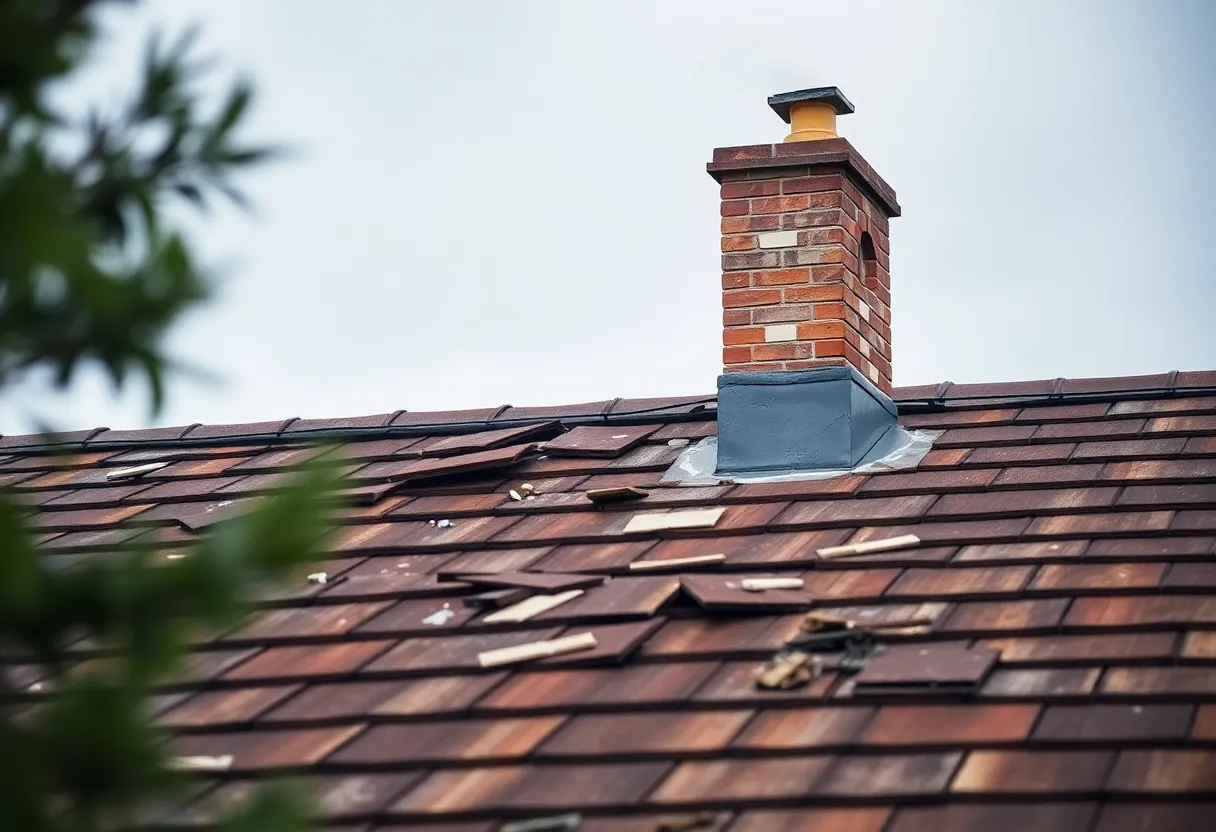
- Flashing installation: Install flashing around chimneys, vents, and valleys to mitigate water intrusion.
Regular Inspection
Take breaks to inspect your work for quality and accuracy. Look for gaps, misalignments, and potential hazards. Ensure that every layer is securely fastened.
Post-Project Considerations
The completion of your roofing project does not imply that your task is over. Follow-up activities are equally important:
Clean-Up
Remove all debris and leftover materials from the site. This not only keeps your property safe but also maintains curb appeal.
Conduct Final Inspection
After cleaning, perform a thorough inspection. Verify that all materials are properly installed. Look for any loose shingles, missing fasteners, or other issues that may arise.
When to Seek Professional Help
Despite your best efforts, certain situations may necessitate professional intervention:
- Complex Designs: Roofs with multiple slopes, angles, and features may require expert knowledge.
- Major Repairs: Extensive damage from weather events or deterioration can surpass DIY capabilities.
- Time Constraints: If you are unable to dedicate sufficient time, hire a professional to ensure the project is completed within a necessary timeframe.
Conclusion
Tackling a DIY roofing project is not for the faint of heart. However, with adequate planning, safety measures, and execution strategies, it is possible to successfully manage your roofing needs. Remember, the roof is a foundational element of your home – don’t compromise on quality or safety. Seek help when necessary, and always prioritize both your safety and the structural integrity of your house.
Your home deserves the best. By following these essential tips, you can navigate the challenges of DIY roofing projects with confidence. Happy roofing!

Author: STAFF HERE CLINTON
The CLINTON STAFF WRITER represents the experienced team at HEREClinton.com, your go-to source for actionable local news and information in Clinton, Laurens County, and beyond. Specializing in "news you can use," we cover essential topics like product reviews for personal and business needs, local business directories, politics, real estate trends, neighborhood insights, and state news affecting the area—with deep expertise drawn from years of dedicated reporting and strong community input, including local press releases and business updates. We deliver top reporting on high-value events such as the Festival of Discovery, Clinton Community Day, and performances at the Whitten Center Amphitheater. Our coverage extends to key organizations like the Clinton Area Chamber of Commerce and the Laurens County Historical Society, plus leading businesses in manufacturing and education that power the local economy such as Milliken & Company and Presbyterian College. As part of the broader HERE network, including HEREAiken.com, HEREBeaufort.com, HEREChapin.com, HERECharleston.com, HEREClinton.com, HEREColumbia.com, HEREGeorgetown.com, HEREGreenwood.com, HEREGreenville.com, HEREHiltonHead.com, HEREIrmo.com, HEREMyrtleBeach.com, HERENewberry.com, HERERockHill.com, and HERESpartanburg.com, we provide comprehensive, credible insights into South Carolina's dynamic landscape.
 Mays Contracting