
How to Choose the Right Roof Design for Your Home’s Unique Climate Conditions
When selecting a roof design for your home, understanding your local climate is crucial. Every region presents its own set of challenges and considerations that influence the durability, energy efficiency, and safety of your roof. This article outlines the fundamental aspects to consider when choosing a roof design tailored to your unique climate conditions.
Understanding Climate Considerations
The first step in roof selection is recognizing what climate zone you are in. Generally, climates fall into four categories:
- Tropical
- Arid
- Temperate
- Polar
Each region has its own temperature ranges, precipitation levels, and weather patterns, which should heavily influence your roofing choices.
Factors to Consider for Your Roof Design
1. Weather Patterns
No matter the climate zone, you need to take into account the prevalent weather patterns. For example:
- In regions with heavy rains, consider roofs that are steeply pitched to allow water to run off rapidly.
- In areas prone to snow, a design that minimizes snow accumulation should be sought.
- For areas with strong winds, roof shapes that can withstand lift forces are ideal.
2. Roof Materials
The material you choose contributes significantly to the roof’s performance. Here are common materials and their suitability:
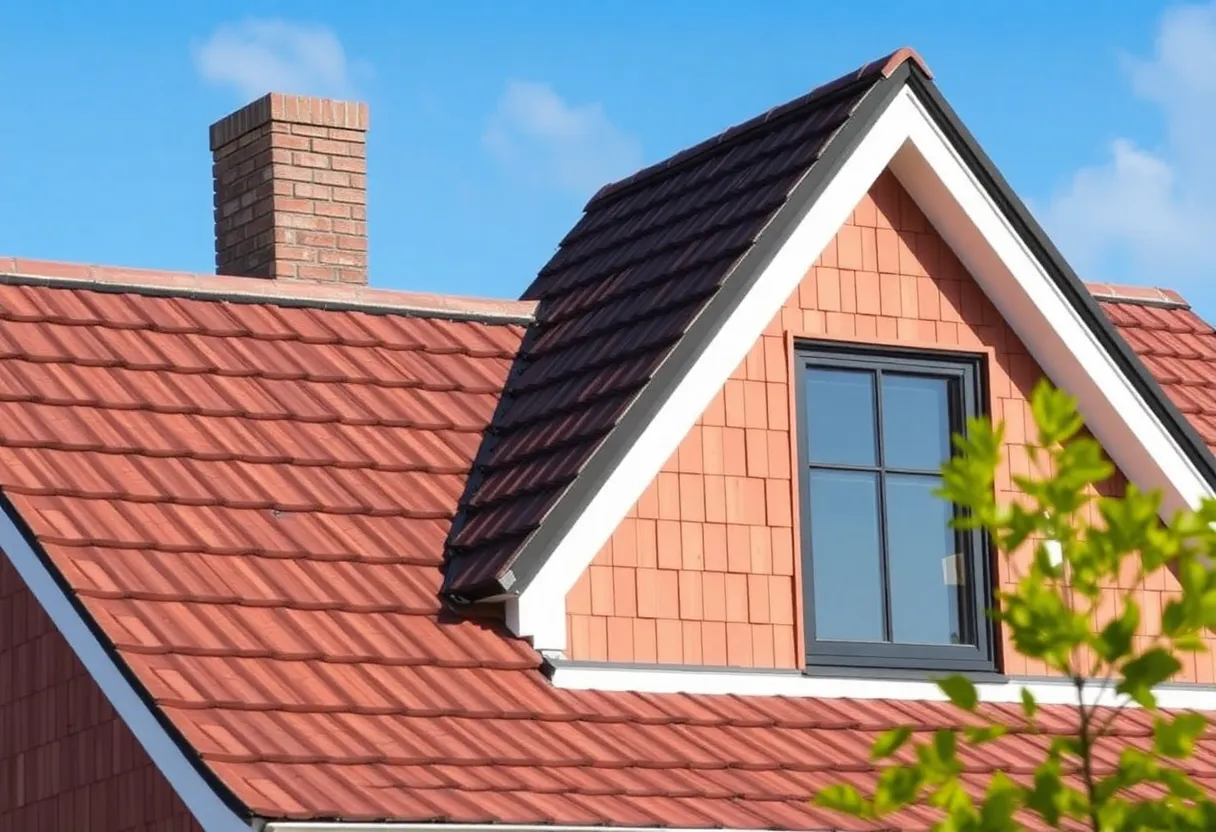
- Asphalt Shingles: Cost-effective and versatile, suitable for temperate climates.
- Metal Roofing: Excellent in arid weather due to its durability and heat reflective properties.
- Clay or Concrete Tiles: Best for Mediterranean or tropical climates as they provide good insulation and moisture resistance.
- Wood Shingles: Aesthetic appeal; however, they require maintenance and are less suitable for damp or humid areas.
3. Energy Efficiency
Energy efficiency is increasingly becoming a priority for homeowners. A well-selected roof design can drastically reduce energy expenses. Here’s how:
- Light-colored roofs reflect sunlight, keeping homes cooler in hot climates.
- Insulated roofs assist in retaining heat during colder months.
- Ventilated designs prevent heat build-up, making them perfect for warmer areas.
4. Structural Considerations
The structural capabilities of your home should also dictate your roof design. Each roof type comes with different weight loads:
- Gable Roofs: Common and easy to construct, these roofs are great for shedding rain and snow.
- Hip Roofs: Offer more stability in windy areas; suitable for varied climates.
- Flat Roofs: Require more engineering to prevent water pooling but can work well in arid zones.
5. Local Building Codes
Consult local regulations before settling on a design. Building codes often dictate restrictions or guidelines based on geographical conditions. Compliance can prevent future legal issues or complications during inspections.
Adapting to Extreme Climates
Certain climates may require specialized roof designs to address extreme weather conditions:
1. Tropical Climatic Zones
High humidity and rainfall characterize tropical zones. Key features include:
- High pitch roofs to facilitate drainage.
- Moisture-resistant materials like metal or clay tiles.
2. Arid Landscapes
In arid zones, extreme heat can deteriorate roofing material. Recommended strategies are:
- Light-colored roofs for temperature regulation.
- Possibly curved roofs to adapt to dust storms.
3. Temperate Areas
These regions experience moderate climate shifts. Versatile roof designs that adapt seasonally are ideal:
- Gable roofs provide good snow shedding.
- Insulated roofing can aid in energy conservation.
4. Polar Regions
Roofing in polar climates must withstand extreme cold and heavy snowfall:
- Low-slope roofs to prevent snow accumulation.
- Robust insulation for energy efficiency.
Additional Tips for Choosing the Right Roof Design
Besides climate factors, consider these additional elements before making a choice:
- Budget: Always factor in both initial and long-term costs.
- Aesthetics: Ensure the design complements your home’s architecture.
- Sustainability: Explore roofing options that are eco-friendly and have a long lifespan.
Consult a Professional
Given the complexities involved in choosing the right roof design, it’s wise to consult a roofing professional. Experts can assess your specific climate conditions, home structure, and personal preferences. They will provide options that best meet your functional and aesthetic needs, ensuring long-term satisfaction and durability.
Conclusion
In summary, selecting the right roof design requires a deep understanding of your local climate and the specific challenges it presents. By evaluating weather patterns, choosing appropriate materials, and considering structural limits along with local regulations, you can make an informed decision. The right roof not only protects your home but can also enhance its value and energy efficiency.

 Mays Contracting