


How Can You Use Customer Journey Mapping to Enhance Your Digital Marketing Experience?
In the rapidly evolving digital landscape, understanding your customers is essential. One powerful technique to achieve this is customer journey mapping. This method enables businesses to visualize the paths customers take while interacting with their brand, resulting in enhanced marketing strategies and improved customer experiences.
Understanding Customer Journey Mapping
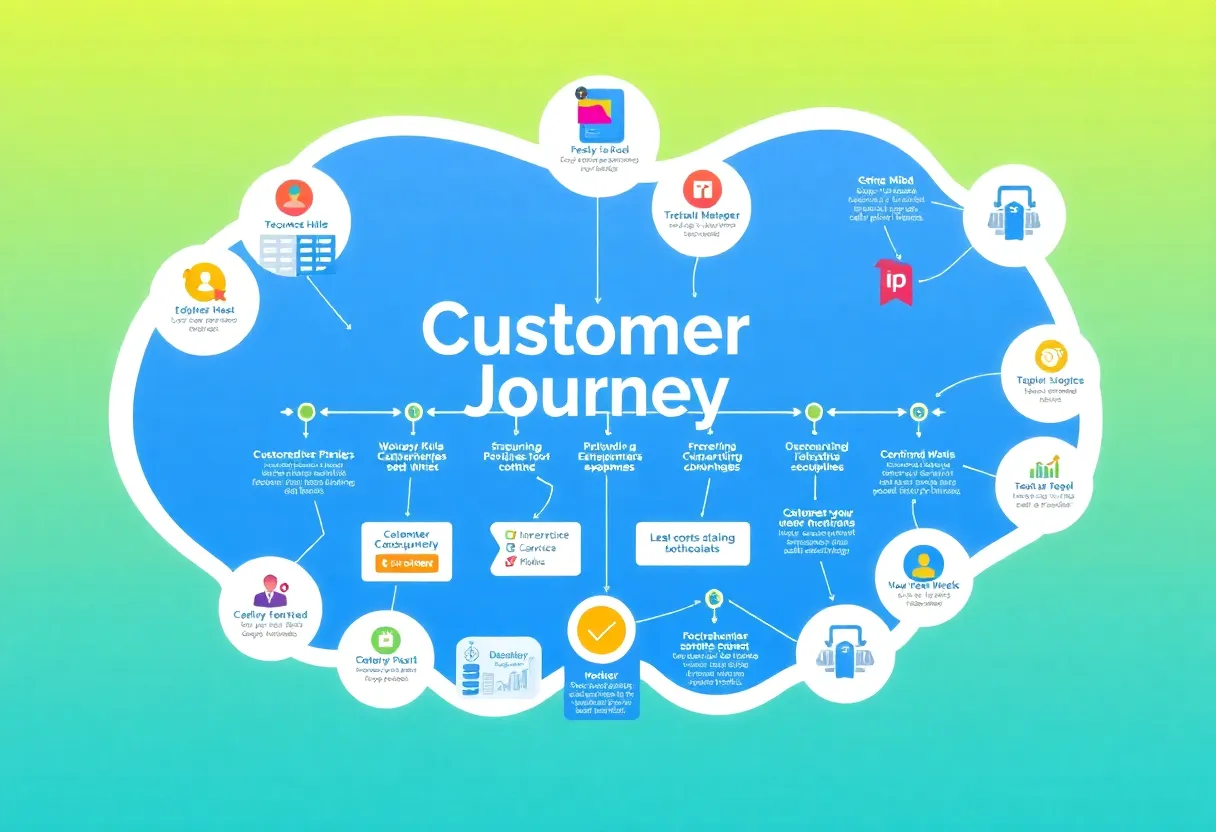
Customer journey mapping involves creating a visual representation of the customer’s experience from initial awareness to post-purchase evaluation. It encompasses every interaction a customer has with your brand, whether online or offline.
Key Components of Customer Journey Maps
- Stages of the Journey: Awareness, consideration, purchase, retention, and advocacy.
- Customer Touchpoints: Every point of interaction, including social media, email, website visits, customer service, and more.
- Customer Emotions: The feelings customers experience at each stage, which can significantly influence their behavior.
- Pain Points: Challenges and obstacles encountered during the journey that can hinder customer satisfaction.
Benefits of Customer Journey Mapping
Employing customer journey mapping in your digital marketing strategy brings several substantial benefits:
Enhanced Customer Understanding
Journey mapping allows businesses to shift their focus from product-centric marketing to customer-centric marketing. By understanding the motivations, preferences, and challenges of customers, brands can tailor their messaging and offerings more effectively. This leads to increased engagement and fosters stronger relationships.
Identifying Pain Points
Through mapping, businesses can pinpoint pain points in the customer experience. Understanding where customers encounter obstacles allows for targeted interventions that address specific issues. This not only improves the overall experience but also leads to higher conversion rates.
Optimized Marketing Strategies
With clear insights from journey maps, marketers can create more effective content and campaigns. Understanding at what stage customers are in their journey allows for precise targeting with appropriate content. For instance, awareness-stage customers might benefit from educational blog posts, while those in the consideration stage may require more detailed product comparisons.
Steps to Create an Effective Customer Journey Map
Creating a customer journey map requires thorough research and a structured approach. Here are the steps to create an effective map:
1. Define Customer Segments
Start by identifying the different customer segments within your target audience. Each segment may have unique experiences and expectations, which will affect their journey.
2. Gather Customer Data
Collect qualitative and quantitative data to understand customer behaviors and preferences. Surveys, interviews, website analytics, and customer feedback can provide valuable insights.
3. Identify Touchpoints and Stages
Map out the various touchpoints customers encounter at each stage of their journey. This will encompass online interactions like browsing the website and offline interactions such as customer service calls.
4. Analyze Emotions
Track the emotions customers likely experience at each stage. Are they excited during their first visit, frustrated when encountering a technical issue, or satisfied with post-purchase support? Understanding emotional responses helps tailor communications and strategies accordingly.
5. Identify Pain Points
Based on research and data evaluation, identify the key pain points for each segment. This step is crucial as it allows businesses to target specific areas for improvement.
6. Develop Actionable Insights
From your findings, generate actionable recommendations. Focus on enhancing positive experiences and alleviating negative ones. Prioritize initiatives based on their potential impact on customer satisfaction and business outcomes.
Applying Customer Journey Mapping in Digital Marketing
Once your customer journey map is complete, integrate it into various aspects of your digital marketing strategy:
Content Marketing
Utilize insights from the customer journey map to develop targeted content. Ensure each piece of content aligns with the needs and emotions of customers at each stage.
Email Marketing
Segment your email list based on customer journey stages. Tailor email campaigns to address the specific concerns and questions of customers at each point in their journey, providing relevant and timely information.
Social Media Engagement
Leverage social media platforms to engage with customers at various stages. This includes sharing educational content during the awareness stage or using retargeting ads for those in the consideration phase.
Customer Support Alignment
Ensure your customer support team understands the map. They should be equipped to handle queries relevant to customers at different stages, helping to resolve issues swiftly and efficiently.
Continuous Improvement
Customer journey mapping is not a one-time effort. Regularly review and update your maps based on evolving customer needs and market trends. Encourage feedback from customers to ensure your mapping remains relevant and effective.
Conclusion
Utilizing customer journey mapping in your digital marketing strategy provides a concrete framework for understanding and enhancing customer experiences. By focusing on key touchpoints and customer emotions, you can tailor your approaches to better meet customer expectations, ultimately driving satisfaction and loyalty. The strategic insights gained will enable your brand to engage effectively, optimize marketing strategies, and improve overall performance in the increasingly competitive digital landscape.
Embracing this approach can lead to not only improved customer relationships but also tangible business growth. Start mapping your customer journeys today and unlock the potential for more effective, meaningful digital marketing.