
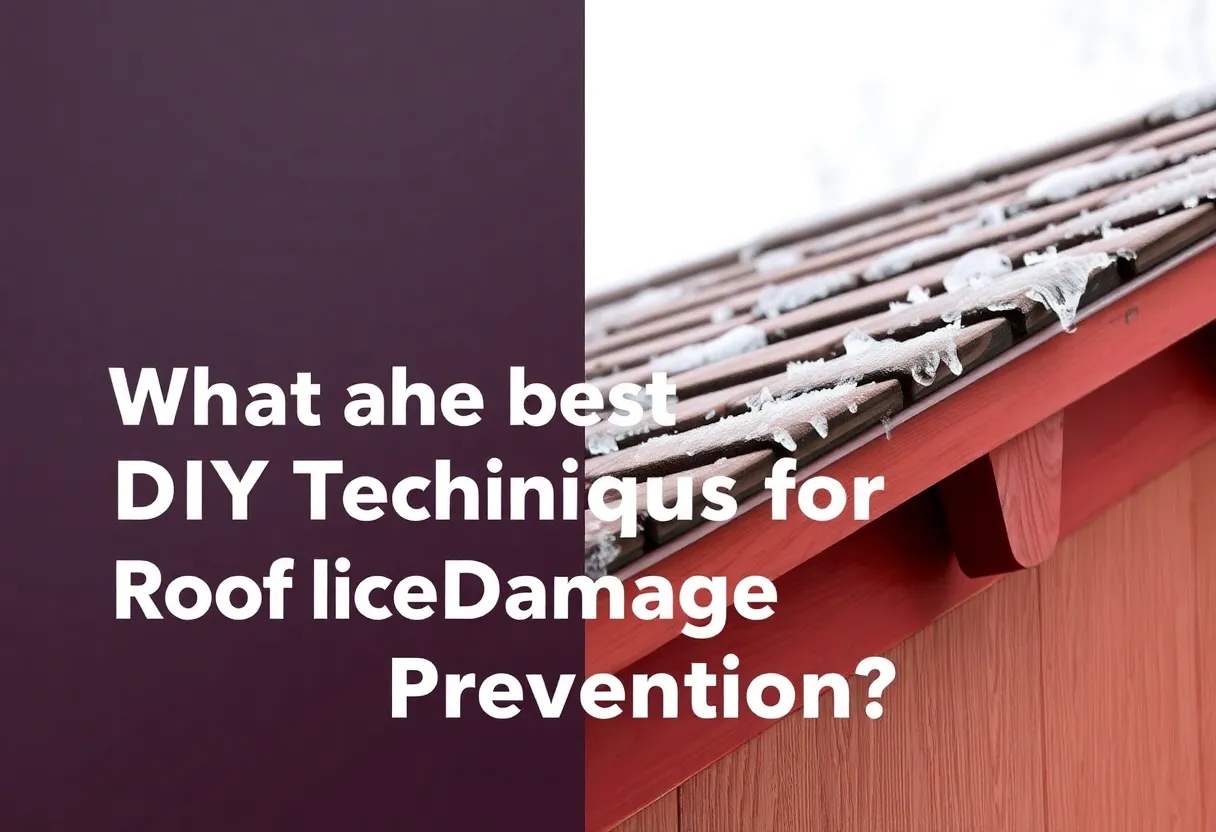
What Are the Best DIY Techniques for Roof Ice Damage Prevention?
Winter brings beauty and challenges alike, especially when it comes to maintaining your roof. Ice damming can cause significant damage if not properly managed. Understanding how to prevent this damage is crucial for any homeowner. This article explores the most effective DIY techniques for roof ice damage prevention, ensuring your home remains safe and intact throughout the winter months.
Understanding Ice Dams
An ice dam forms when snow on a roof melts and runs to the eaves, where colder temperatures cause the water to freeze. This cycle can create a ridge of ice that traps additional melting snow. The result can be water backing up under shingles, leading to leaks, mold, and structural damage.
DIY Techniques for Ice Damage Prevention
1. Insulation and Ventilation
Proper insulation and ventilation are fundamental to preventing ice dams. Here’s how to effectively manage these aspects:
- Increase Attic Insulation: Insulation should be sufficient to prevent heat loss into the attic. Ideally, aim for R-38 insulation, or about 12 to 15 inches of fiberglass or cellulose.
- Ensure Proper Ventilation: Install soffit vents, ridge vents, or gable vents to allow cold air to flow through the attic. This balances the temperature on the roof, preventing snow from melting.
- Seal Air Leaks: Inspect for gaps around electrical outlets, plumbing, and lighting fixtures. Use caulk or foam sealant to close these gaps, minimizing warm air rising into the attic.
2. Roof Rake Usage
A roof rake can be an invaluable tool for preventing ice dam formation. Consider the following points:
- Regular Snow Removal: Use a roof rake to remove snow within 24 hours of a snowfall, focusing on the first three feet of the roof’s edge to minimize water runoff.
- Safety First: Always use a roof rake from the ground to prevent falls. Ensure you’ve cleared the area around your home of hazards before raking.
3. Heated Cables
Installing heated cables provides a proactive way to prevent ice dams:
- Placement: Install cables in a zigzag pattern along the roof edge and in areas prone to icing. These cables should be plugged in during cold weather to provide heat to prevent freezing.
- Energy Efficiency: Consider using timer controls or smart plugs to manage usage, ensuring they operate only when necessary.
4. Draining System Enhancements
Proper drainage is key to preventing ice accumulations:
- Gutters Maintenance: Regularly clean gutters and downspouts to ensure proper water flow. Clogs can lead to overflow, increasing the risk of ice formation.
- Install Gutter Guards: These guards can prevent debris buildup while still allowing water to flow freely.
- Enhance Downspout Size: Ensure downspouts are large enough to handle melting snow and ice, directing water away from the foundation and roof edge.
5. Roof Inspection
Regular roof inspections can help identify potential issues before they escalate:
- Professional Check-Up: Schedule regular inspections, ideally twice a year, before and after winter, to look for signs of wear, loose shingles, or deterioration.
- DIY Inspection: Perform your own checks from the ground for sagging, curls, or missing shingles.
Choosing the Right Materials
1. Quality Roofing Materials
Selecting appropriate roofing materials can significantly influence ice dam formation:
- Metal Roofing: A sleek metal roof enables snow to slide off easily, which can reduce ice dam risk.
- Impact-Resistant Shingles: Opt for shingles that better withstand the elements, reducing the chance of damage from ice.
2. Ice and Water Shield
Applying an ice and water shield product during roof installation can provide an additional line of defense:
- Location Matters: Ensure it covers the eaves and vulnerable areas.
- Long-Lasting Protection: This membrane acts as a waterproof barrier, helping prevent leaks caused by ice damming.
Long-Term Solutions
1. Roof Design Considerations
If you plan a roof replacement or significant remodeling, consider design elements that reduce ice accumulation:
- Sloped Roofs: Steeper roofs allow snow to slide off rapidly, thereby reducing buildup.
- Length of Overhangs: Longer eaves can create a natural space for melting snow to fall off before refreezing.
2. Professional Consultation
While DIY solutions are effective, consulting with a professional may help provide tailored solutions:
- Thermal Imaging: This technique can identify heat leaks you might miss.
- Customized Solutions: Professionals can suggest enhancements based on your specific roof structure and environmental conditions.
Maintenance Practices
1. Seasonal Checks
Adopting a seasonal maintenance routine can enhance the lifespan of your roof:
- Clean the Roof: Remove accumulations of leaves or debris regularly, ensuring water can flow unobstructed.
- Look for Mold or Mildew: Address potential mold or mildew on your roof promptly to prevent further damage.
2. Gutter Care
Maintaining your gutters is essential in preventing ice formations:
- Regular Cleaning: Schedule cleaning at least twice a year or more frequently if you live in a wooded area.
- Downspout Attachment: Ensure downspouts are directed away from the foundation to avoid water pooling at the base.
Conclusion
Preventing ice damage on your roof can save you extensive repair costs and preserve the structural integrity of your home. By implementing these DIY techniques, you can effectively mitigate risks associated with ice dam formation. From ensuring proper insulation and ventilation to using tools like roof rakes and heated cables, proactive strategies can make a considerable difference. Stay vigilant during winter months, and prioritize regular maintenance to keep your roof in optimal condition.

 Mays Contracting