A comprehensive safety guide has been issued for anglers, detailing essential precautions for fishing during the summer months when high temperatures and strong ultraviolet (UV) radiation pose significant risks. The resource emphasizes strategies for sun protection, proper hydration, recognizing and treating heat-related illnesses, and ensuring emergency readiness on the water.
One of the primary concerns highlighted is sun exposure, particularly between 10 AM and 4 PM when the sun’s rays are strongest. Water surfaces can reflect up to 15% of UV radiation, intensifying exposure for those fishing on bodies of water such as Lake Greenwood, Duncan Creek Reservoir, or the Enoree River. To mitigate this, the guide recommends applying a broad-spectrum sunscreen with an SPF of at least 30, and preferably SPF 50 or higher for extended periods on the water. Sunscreen should be applied 30 minutes before going outside and reapplied every two hours, or more frequently if sweating heavily or after splashing.
Protective clothing is also crucial. Anglers are advised to wear lightweight, long-sleeved UPF-rated garments, which are designed to block UV rays. Light-colored clothing is recommended as it reflects sunlight more effectively than dark colors. A wide-brimmed hat, providing at least four inches of coverage, and polarized sunglasses offering 100% UV protection are also essential to protect the face, neck, and eyes from direct and reflected sunlight.
Maintaining adequate hydration is another cornerstone of summer fishing safety. The guide suggests beginning hydration the night before a fishing trip and continuing to drink at least eight ounces of water every 15 to 20 minutes while actively fishing. Beverages high in caffeine or alcohol should be avoided, as they can contribute to dehydration. Early signs of dehydration include thirst, dry mouth, decreased urination, and fatigue. More severe indicators, such as dizziness, rapid heartbeat, and confusion, necessitate immediate attention.
Heat-related illnesses present a serious threat. The guide differentiates between heat exhaustion and heat stroke, outlining their distinct symptoms and required responses. Signs of heat exhaustion include heavy sweating, weakness, nausea, headache, and muscle cramps. If these symptoms appear, the affected person should be moved to shade, have excess clothing removed, be cooled with water, and given cool fluids if conscious and able to swallow.
Heat stroke is a medical emergency characterized by a body temperature above 103°F, an altered mental state, hot and dry skin (though sweating may still be present), and a rapid pulse, potentially leading to unconsciousness. In such cases, an immediate call to 911 is imperative, followed by aggressive cooling measures while awaiting professional medical help.
Emergency preparedness is vital for any fishing excursion, especially when venturing into more remote areas of Laurens County. Anglers are advised to check their boat’s engine cooling system and other safety equipment before departure. Filing a float plan with a trusted contact, detailing their location and expected return time, is a critical safety measure. Carrying extra water, with a recommendation of at least one gallon per person per day for emergencies, and other essential supplies is also advised. A charged phone in a waterproof case, a VHF radio for boaters, and consideration of a personal locator beacon for remote locations are also important. Knowing the nearest medical facilities and having emergency contacts readily available can make a significant difference in an urgent situation.
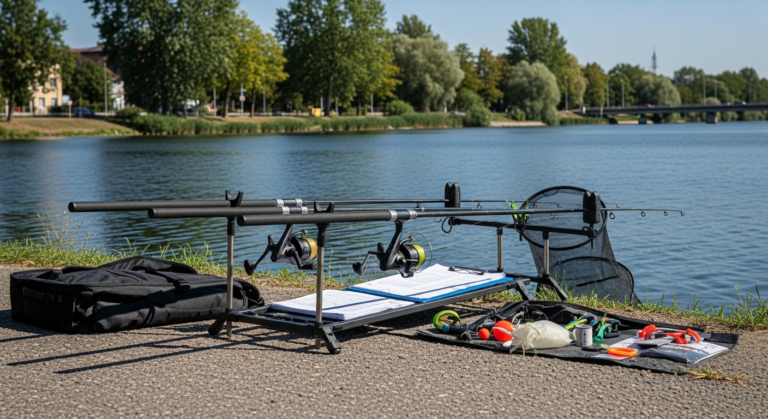
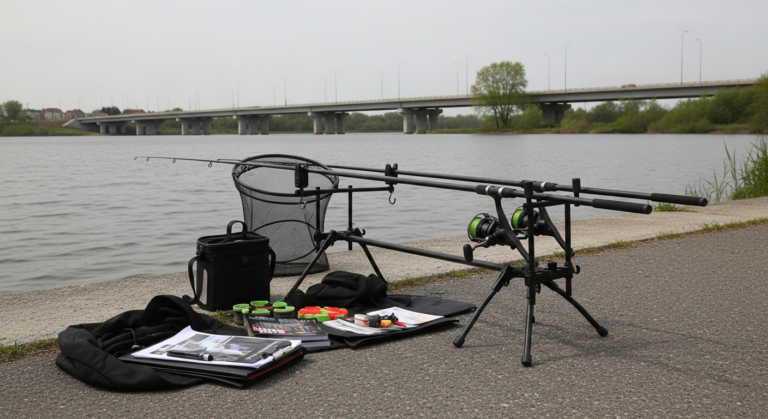
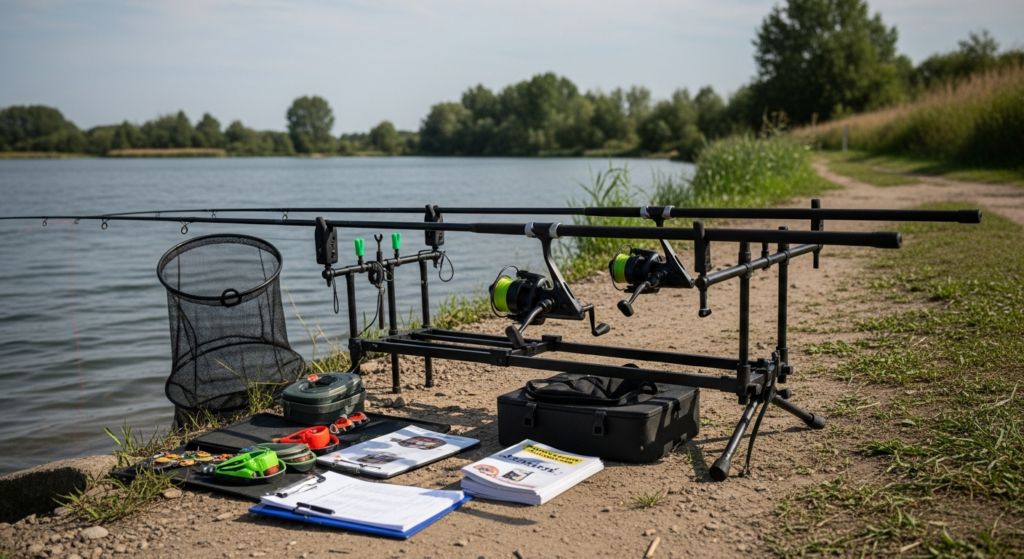
Beyond personal safety, the guide also addresses the impact of summer conditions on fishing gear. Prolonged exposure to heat and UV radiation can weaken rod guides and fishing lines, and warp tackle boxes. To prevent damage, equipment should be kept shaded whenever possible, and fishing lines should be inspected and checked for integrity more frequently. Practical tips for safe handling of equipment include drying sweaty hands before handling hooks and using pliers or hook removers to minimize injury risks. Urban anglers fishing near areas with significant concrete and asphalt, such as those near Clinton City Park, are reminded that these surfaces reflect heat, potentially requiring additional cooling strategies due to limited natural shade.
Why it matters in Clinton
For residents of Clinton and the surrounding Laurens County area, access to waterways like Lake Greenwood, the Enoree River, and Duncan Creek Reservoir makes fishing a popular summer activity. Understanding and implementing these safety guidelines is crucial for preventing heat-related emergencies and ensuring enjoyable, safe experiences on the water. Local institutions like Prisma Health’s Laurens County Health Care System are prepared to respond to medical emergencies, but proactive measures can significantly reduce the strain on these vital services. Adhering to these precautions helps protect individual anglers and contributes to the overall well-being of the Clinton community during the hottest months of the year.