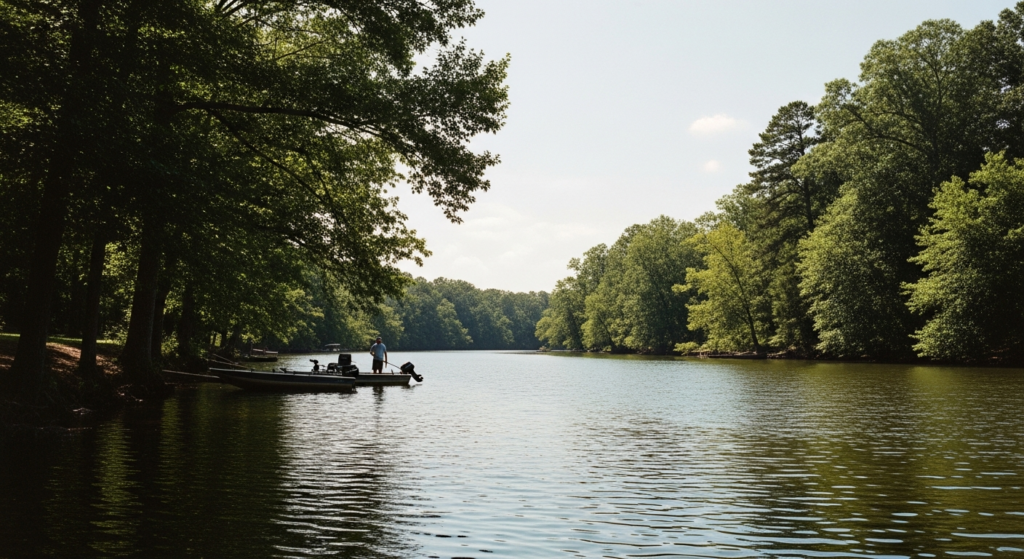
With the summer season in full swing, residents of Clinton and surrounding Laurens County are increasingly drawn to local fishing spots like Lake Greenwood, the Enoree River, and Duncan Creek. While these activities offer recreation, they also present significant health and safety considerations, particularly given the intense heat and sun exposure typical of August.
A recently compiled safety guide emphasizes several key areas for anglers to ensure a safe outing, starting with robust sun protection. The guide highlights that the sun’s ultraviolet (UV) rays are at their strongest between 10 AM and 4 PM, a period when many anglers are on the water. Compounding this risk, water surfaces can reflect up to 15% of UV radiation, effectively increasing exposure. To counter this, the guide strongly recommends using a broad-spectrum sunscreen with a sun protection factor (SPF) of at least 30, and ideally SPF 50+ for extended periods on the water. Proper application is crucial: sunscreen should be applied generously 30 minutes before heading outdoors and reapplied every two hours, or more frequently if an individual is sweating heavily or has been splashed.
Beyond sunscreen, protective clothing and accessories form another critical layer of defense. The guide advises wearing lightweight, long-sleeved clothing with a UPF (Ultraviolet Protection Factor) rating, preferably in light colors that reflect sunlight rather than absorbing it. A wide-brimmed hat, offering at least four inches of coverage, is essential for protecting the face, neck, and ears. Polarized sunglasses with 100% UV protection are also recommended, not only to protect the eyes from harmful rays but also to reduce glare off the water, improving visibility and reducing eye strain.
Hydration is paramount, especially when engaging in physical activity under the summer sun. The guide recommends drinking at least 8 ounces of water every 15 to 20 minutes during active fishing. Starting hydration the night before an outing can significantly improve the body’s ability to cope with heat. Conversely, beverages high in caffeine or alcohol should be avoided, as they can contribute to dehydration. For those who anticipate heavy sweating, sports drinks can be beneficial in replacing electrolytes lost through perspiration, helping to maintain the body’s fluid balance.
Understanding the signs of heat-related illness is crucial for prompt intervention. The guide details early indicators of dehydration, which include increased thirst, a dry mouth, decreased urination, and general fatigue. As dehydration progresses, more severe symptoms can emerge, such as dizziness, a rapid heartbeat, and confusion. These are warning signs that require immediate attention.
For heat exhaustion, the recommended course of action involves moving the affected person to a shaded or cooler area and removing any excess clothing to help the body cool down. Applying cool water to the skin, either with a wet cloth or by misting, can also provide relief. If the person is conscious and able to swallow, providing cool fluids can aid recovery. Heat stroke, however, is a medical emergency requiring immediate professional help. Symptoms of heat stroke include a body temperature above 103°F, an altered mental state (such as confusion or irritability), hot and dry skin (though sweating may still be present), a rapid pulse, and potentially unconsciousness. In such cases, 911 should be called immediately, and aggressive cooling measures, such as applying ice packs to the armpits and groin, should be initiated while awaiting emergency services.
For those venturing onto Clinton’s lakes and rivers by boat, specific safety measures are also highlighted. Maintaining adequate shade on the vessel is important for passenger comfort and protection from direct sun exposure. All safety equipment, including life jackets for every occupant, should be in good working order and easily accessible. A pre-trip check of the engine cooling system is vital to prevent breakdowns that could leave boaters stranded in the heat. Filing a float plan with a trusted contact, detailing the planned route, duration, and expected return time, can be a lifesaver in an emergency. Additionally, carrying extra water and a comprehensive emergency supply kit, which should include a VHF radio for reliable communication in areas with poor cell service, is strongly advised. The guide suggests carrying at least one gallon of water per person per day for emergencies, emphasizing self-sufficiency on the water.
Why it matters in Clinton
For Clinton, a community deeply connected to its natural surroundings and waterways, adherence to these summer safety guidelines is not merely a recommendation but a vital component of public well-being. With Lake Greenwood and the Enoree River serving as popular destinations for fishing and boating throughout the warmer months, the risk of heat-related illnesses and water incidents is a tangible concern. Local emergency services, including those supported by the City of Clinton and Laurens County Health Care System (Prisma Health), are prepared to respond to such emergencies. However, proactive measures by individuals can significantly reduce the strain on these critical resources and prevent potentially life-threatening situations. Ensuring a safe environment on the water allows residents to fully enjoy the recreational opportunities that make Clinton a desirable place to live, while minimizing preventable risks.