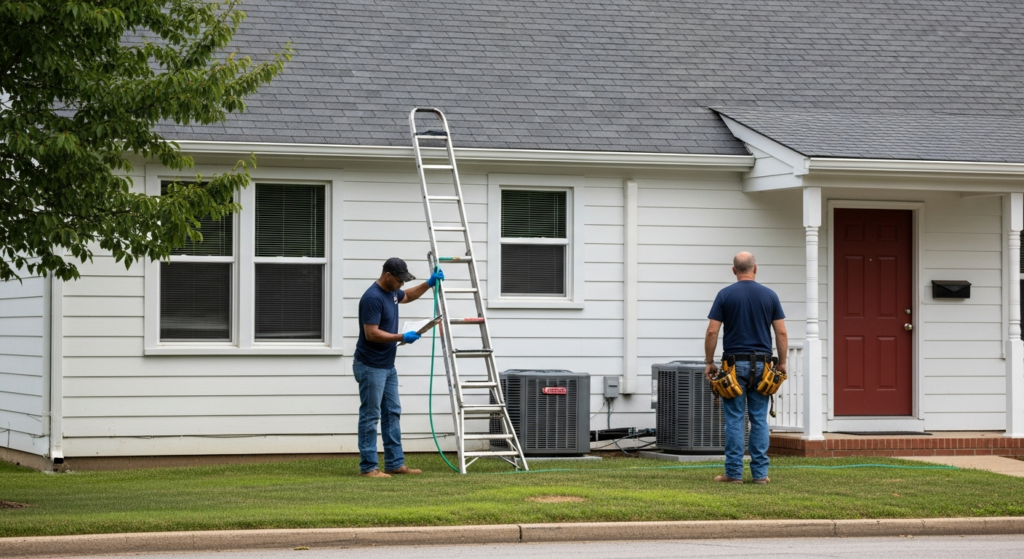
Homeowners in Clinton are facing the ongoing imperative of property upkeep, with experts emphasizing that a proactive approach to summer maintenance can significantly mitigate the risk of expensive repairs. As properties age and systems endure seasonal wear, regular inspections and timely interventions are presented as crucial for preserving home value and ensuring operational efficiency. The comprehensive checklist for the warmer months includes tasks ranging from exterior assessments to internal system checks, all aimed at preventing minor issues from escalating into major financial burdens.
Neglected gutters can lead to significant structural problems. When gutters are clogged with leaves and debris, rainwater can overflow, seeping into the fascia boards, rotting eaves, and even compromising the foundation of a home. This can result in costly repairs to roofing, siding, and basements. Regular cleaning ensures proper drainage, directing water away from the house and protecting its integrity.
A thorough visual inspection of a home’s exterior is a foundational step in summer maintenance. For roofs, homeowners should look for common issues such as cracked, curled, loose, or missing shingles. These seemingly minor imperfections can allow water infiltration, leading to extensive water damage to attics, ceilings, and insulation. Siding should be checked for rot, gaps, loose panels, or any signs of water damage that could compromise the building envelope. The foundation requires scrutiny for small cracks, stains, soft areas, or any indications where water might be penetrating, as foundation issues can be among the most expensive to rectify. Addressing these vulnerabilities early can prevent more extensive and costly structural damage.
Outdoor living spaces and paved surfaces are exposed to the elements year-round, making them susceptible to dirt, mildew, and wear. Power washing removes accumulated grime, restoring their appearance. Following this with appropriate sealing for decks, patios, and driveways protects them from moisture penetration, UV damage, and cracking, thereby extending their lifespan and reducing the need for premature replacement or extensive repair.
Efficient water management is a key component of home maintenance, particularly in the summer. Testing sprinkler systems ensures they are operating correctly, without leaks or misdirected spray patterns that could waste water or damage landscaping. The Environmental Protection Agency reports that an average household’s leaks can account for nearly 10,000 gallons of wasted water annually. Fixing these leaks, including those in outdoor faucets, can save approximately 10% on a water bill. Setting sprinkler timers to engage at dawn is also advised, as cooler temperatures allow the lawn to absorb water more effectively before it evaporates, maximizing efficiency and conserving resources.
Beyond aesthetics, proper landscaping maintenance plays a role in home protection. Trimming shrubs keeps branches from touching the house, which can prevent moisture retention against siding, pest access, and potential damage during high winds. A well-maintained lawn, free of excessive overgrowth, also contributes to overall property health and curb appeal.
With increased outdoor entertaining during the summer, ensuring the safety and functionality of grilling equipment is paramount. Deep cleaning the outdoor grill removes grease buildup that can pose fire hazards. Checking propane lines for leaks or damage is also a critical safety measure, preventing gas leaks and ensuring safe operation.
The air conditioning system is often under heavy demand during the warmer months in Clinton. Regular servicing, including professional inspection and cleaning, can significantly extend the unit’s lifespan and maintain its efficiency. Replacing air filters every one to three months, or more frequently with pets or allergies, improves air quality and reduces strain on the system, keeping cooling costs manageable. Neglecting AC maintenance can lead to breakdowns, higher energy bills, and the need for costly emergency repairs or premature replacement.
Window screens are essential for ventilation while keeping insects out. Inspecting them for tears or holes and repairing or replacing damaged screens is a straightforward task. Sealing gaps around doors and windows with weatherstripping or caulk prevents conditioned air from escaping and unconditioned air (and pests) from entering, contributing to energy efficiency and indoor comfort.
Small, unnoticed leaks can cause significant damage over time, leading to mold growth, wood rot, and compromised structural integrity. Regularly checking under sinks, around toilets, and near other water fixtures for drips or moisture can identify problems early. As noted by EPA data, addressing these leaks can lead to notable water savings.
Home safety devices are critical components of any maintenance routine. Testing smoke detectors monthly and ensuring fire extinguishers are charged and accessible are essential steps to protect residents and property in the event of an emergency.
Larry Anderson, who serves as Director of Underwriting Operations and leads Audit, Training, and Regulatory Compliance teams, offers a perspective rooted in risk management. Having been with his company since 2002, initially as an underwriter, Anderson’s background underscores the importance of preventative measures. While his work primarily involves assessing financial risk for businesses, the principle of identifying and mitigating potential problems applies directly to homeownership. His experience, which includes a Bachelor of Arts in Business Administration from California State University, Fullerton, highlights how early detection and proactive maintenance can prevent larger, more complex, and ultimately more expensive issues down the line. This approach aligns with the core tenets of underwriting, where understanding and managing risk are paramount.
Why it matters in Clinton
The emphasis on diligent home maintenance holds particular significance for Clinton residents, where the stability of residential properties contributes directly to the community’s economic health and quality of life. For institutions like Presbyterian College, a major employer in Clinton, the well-being of its faculty and staff, many of whom own homes in neighborhoods such as College View or Hampton Woods, is intrinsically linked to the condition and value of their properties. Proactive upkeep not only safeguards individual investments but also helps maintain the overall appeal and property values across Clinton, benefiting the Laurens County School District 56 through a stable tax base and fostering a sense of pride in the city’s residential areas. Neglecting these tasks can lead to widespread deterioration, impacting everything from insurance rates to the long-term viability of local housing markets.