The accelerating development of artificial intelligence has spurred a significant re-evaluation of global infrastructure, with recent industry analysis indicating that the primary constraint on AI’s growth is no longer the availability of advanced processing chips, but rather the capacity of electrical grids to power new data centers. This shift highlights a critical challenge for energy planners and utility providers nationwide, as the demand for electricity from AI operations continues to surge.
For months, the technology sector has seen a sustained focus on the foundational elements of AI, including data-center capacity, hardware demand, and long-term energy planning. The sheer scale of computational power required to train and operate sophisticated AI models translates directly into immense electricity consumption. This escalating demand is placing unprecedented strain on existing power infrastructure, raising questions about grid stability and the pace at which new generation and transmission capabilities can be brought online.
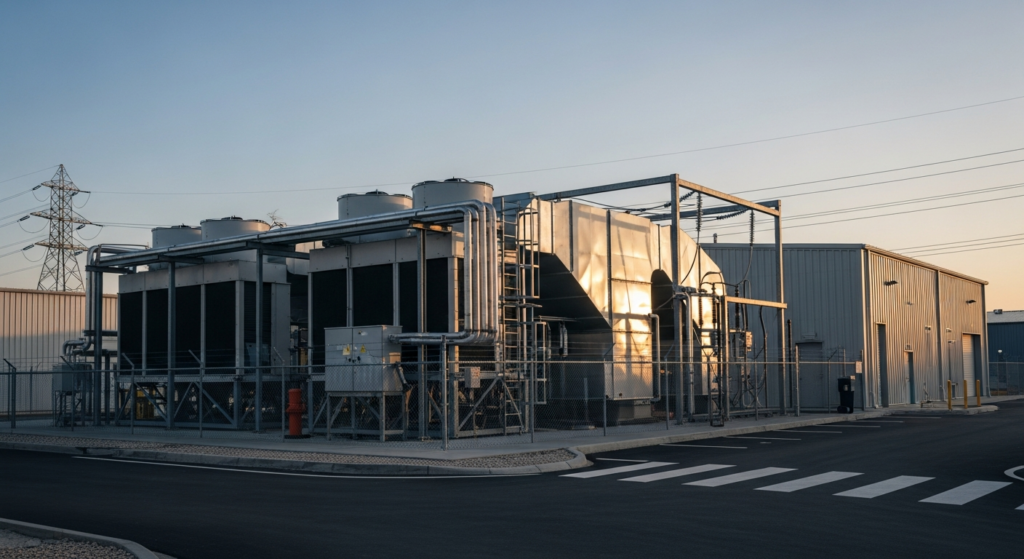
Industry experts are increasingly pointing to power, rather than silicon, as the new frontier in the AI race. Data centers, the physical backbone of AI, require not only vast amounts of electricity to run their servers but also substantial energy for cooling systems to prevent overheating. This dual demand creates a significant load that many regional grids were not originally designed to handle, particularly with the speed at which AI adoption is progressing.
The implications for grid reliability are substantial. As AI data centers proliferate, the risk of localized power shortages or broader grid instability increases, particularly during peak demand periods. Utility companies and energy regulators are now grappling with how to forecast and meet this rapidly evolving demand, which often outpaces traditional energy planning cycles. The construction of new power plants and the upgrade of transmission lines are capital-intensive, time-consuming endeavors that require years of planning and investment.
This national trend has regional and local ramifications, even for communities not directly hosting large-scale AI data centers. The overall health and capacity of the regional power grid directly impact the reliability of electricity supply for all consumers, including residential users, businesses, and public institutions. In Clinton, for instance, the stability of the power supply is fundamental to the operations of major employers such as Presbyterian College and Laurens County Health Care System (Prisma Health), as well as the Laurens County School District 56 and the City of Clinton’s municipal services. Any widespread strain on the grid could translate into operational challenges or increased energy costs for these vital community anchors.
Local officials in Clinton, including Mayor Comer H. “Randy” Randall and City Manager Joey Meadors, are tasked with overseeing the city’s infrastructure and ensuring its resilience. While specific AI data center developments may not be immediately on the horizon for Clinton, the broader energy landscape and the pressures on regional power providers are factors that influence long-term planning for growth and development within the city. Ensuring robust utility services remains a core responsibility, and the evolving demands of AI technology add a new layer of complexity to these considerations.
The need for robust and reliable energy infrastructure extends beyond just powering homes and traditional businesses. Educational institutions like Presbyterian College and Piedmont Technical College (Clinton campus) rely on consistent power for their facilities, technology, and student services. Manufacturing operations, such as those of Renfro Corporation, also depend on a stable energy supply to maintain production and meet economic targets. The ripple effects of a stressed power grid can therefore touch various facets of Clinton’s economy and daily life.
Energy planning at the state and regional levels will increasingly need to account for the exponential growth in AI-related power consumption. This includes exploring new energy generation sources, upgrading existing infrastructure, and potentially implementing demand-side management strategies. For communities like Clinton, understanding these larger trends is crucial for anticipating future challenges and advocating for infrastructure investments that support local stability and economic vitality.
Why it matters in Clinton
The burgeoning demand for electricity driven by artificial intelligence infrastructure represents a significant, long-term challenge for power grids across the nation, and these pressures will inevitably influence the energy landscape in Clinton. The reliability of the regional power supply is a foundational element for the sustained operation of key institutions in Clinton, such as Presbyterian College and the Laurens County Health Care System. Any increased strain on the grid, or the need for substantial infrastructure upgrades, could affect energy costs and service stability for these major employers and the broader community. City officials, including Mayor Comer H. “Randy” Randall, will continue to monitor regional energy developments to ensure that Clinton’s infrastructure remains resilient and capable of supporting the community’s needs amidst these evolving technological demands. Maintaining a stable and affordable power supply is critical for the city’s continued growth and the operational continuity of its vital services and businesses. The national conversation around AI’s energy footprint underscores the importance of proactive infrastructure planning at all levels, including for the residents and institutions of Clinton.