Global demand for artificial intelligence infrastructure is increasingly impacting the supply and pricing of memory and storage components used in consumer electronics. This trend, observed across the technology sector, suggests that consumers in Clinton and beyond may encounter higher costs for new devices in the coming months.
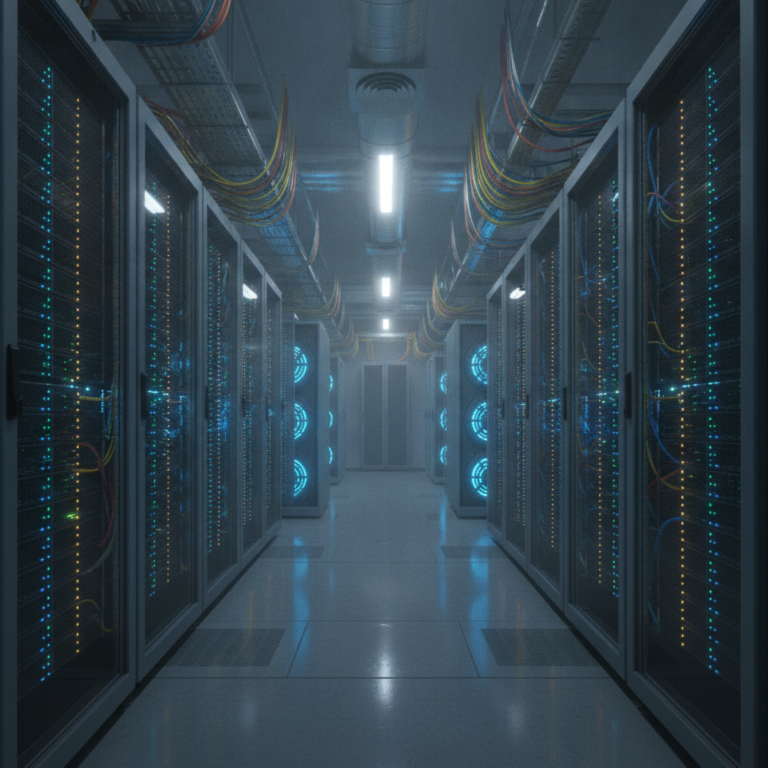
The expansion of AI technologies, from large language models to advanced data analytics, requires vast amounts of high-performance memory and storage. This creates significant competition for these essential components, drawing supplies away from the manufacturing of consumer-grade products. Technology and business analyses indicate that this shift in demand is leading to tighter supplies for the memory and storage modules typically found in personal computers, gaming consoles, and mobile phones.
As a result, manufacturers of consumer electronics are facing increased costs for these vital components, which are then often passed on to the end consumer. This dynamic is not tied to any specific local market but reflects a broad industry trend. For individuals and families in Clinton considering purchases of new laptops, tablets, or gaming systems, understanding these underlying market forces can provide context for potential price adjustments.
The situation is described as an evergreen market dynamic, meaning it is an ongoing factor in the consumer electronics landscape rather than a temporary fluctuation. While specific price guarantees or predictions for any given product are not possible, the general direction of component costs points toward potential increases for finished consumer devices.