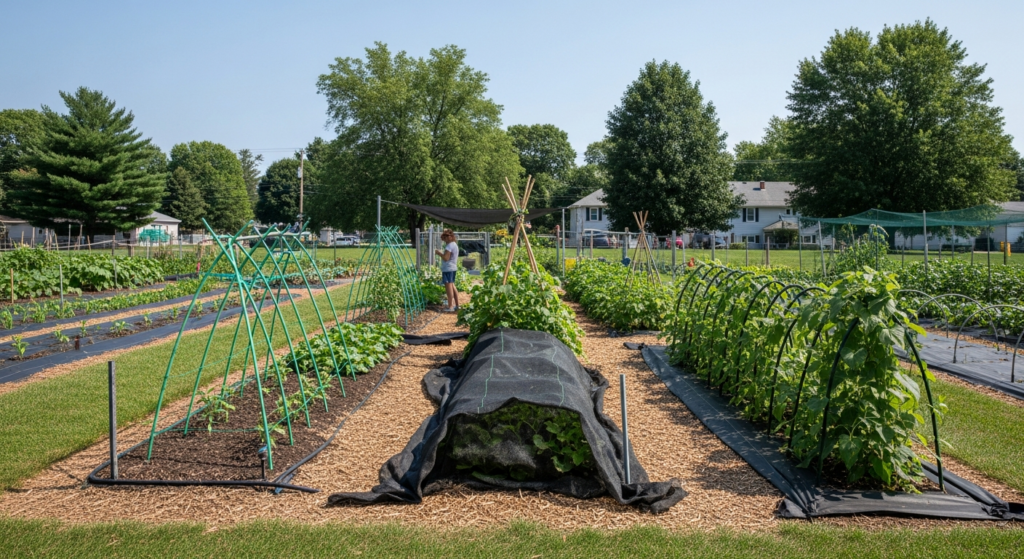
Gardening in Clinton during the peak of summer presents a distinct set of challenges, primarily centered on managing heat stress and optimizing water use. With July firmly established as a period of elevated temperatures, local gardeners are increasingly focused on the timing and method of irrigation to safeguard their landscapes and vegetable plots.
One of the most critical aspects of summer plant care involves the precise timing of watering. Experts consistently advise that the optimal window for watering is in the early morning hours, typically between 5:00 AM and 9:00 AM. This approach allows water to penetrate the soil deeply before the sun’s intensity increases, minimizing evaporation and ensuring that plant roots can absorb moisture effectively. Watering during the cooler parts of the day also reduces the risk of fungal diseases, as foliage has ample time to dry before nightfall.
Conversely, watering in the middle of the day, particularly when the sun is highest, is largely inefficient. A significant portion of the water applied at this time can evaporate before reaching the roots, rendering the effort less effective and potentially wasteful. While the notion that water droplets on leaves can act as magnifying glasses, scorching foliage, is largely a myth for most plants, the primary concern with midday watering remains the rapid loss of moisture to the atmosphere.
Beyond timing, the method of watering plays a crucial role in plant health. Deep, infrequent watering is generally more beneficial than shallow, frequent applications. When water penetrates several inches into the soil, it encourages roots to grow deeper, making plants more resilient to dry spells and heat. Shallow watering, by contrast, promotes surface root growth, leaving plants more vulnerable to dehydration when the topsoil dries out quickly.
Reducing overall plant stress is another key component of summer gardening in Clinton. Mulching is a highly effective strategy, involving the application of a layer of organic material—such as wood chips, straw, or compost—around the base of plants. This layer helps to retain soil moisture by reducing evaporation, regulates soil temperature by insulating roots from extreme heat, and suppresses weed growth, which competes with cultivated plants for water and nutrients. A two- to four-inch layer of mulch can make a substantial difference in a plant’s ability to withstand prolonged periods of high temperatures.
Providing temporary shade for sensitive plants can also mitigate heat stress. This can be achieved with shade cloth, umbrellas, or even by strategically planting taller, more heat-tolerant species to cast shadows over more delicate varieties. For new plantings or those showing signs of severe stress, creating a temporary barrier against direct afternoon sun can prevent irreversible damage.
Gardeners are also reminded that summer maintenance extends beyond just watering. Regular weeding remains important, as weeds compete aggressively for precious water resources. Monitoring for pests and diseases, which can also be exacerbated by stressed plants, should be a routine task. Light pruning to remove dead or diseased foliage can improve air circulation, but heavy pruning should generally be avoided during intense heat, as it can further stress plants. Harvesting vegetables and fruits at their peak ensures continued production and prevents plants from expending energy on over-ripening produce.
For residents across Clinton, from the established gardens of College View to newer developments in Hampton Woods, these practices are essential for maintaining vibrant green spaces throughout the summer months. Understanding how plants respond to heat and implementing proactive care strategies can transform a challenging season into a period of continued growth and enjoyment for local gardeners.
### Why it matters in Clinton
The effective management of gardens and green spaces during summer heat waves directly impacts the aesthetic and environmental quality of Clinton. Public areas, such as Clinton City Park, rely on diligent care to remain inviting and healthy for residents. Private gardens contribute to the overall beauty and biodiversity of neighborhoods like Historic Downtown Clinton. Adopting best practices for watering and plant stress reduction ensures that these vital green assets, both public and private, can withstand the rigors of the season, contributing to the well-being and visual appeal of the entire community.