With the peak of summer now underway, outdoor plants in Clinton face significant stress from high temperatures, particularly during periods of intense heat. Protecting garden beds, container plants, and patio arrangements requires strategic care to ensure their survival and health throughout the season.
One of the most critical measures is deep and infrequent watering. Rather than light, daily sprinkles, plants benefit more from thorough watering sessions that allow moisture to penetrate several inches into the soil. This encourages roots to grow deeper, making them more resilient to surface drying. The best time to water is early in the morning, before the sun’s intensity increases, which minimizes evaporation and allows plants to absorb water effectively before the heat of the day sets in.
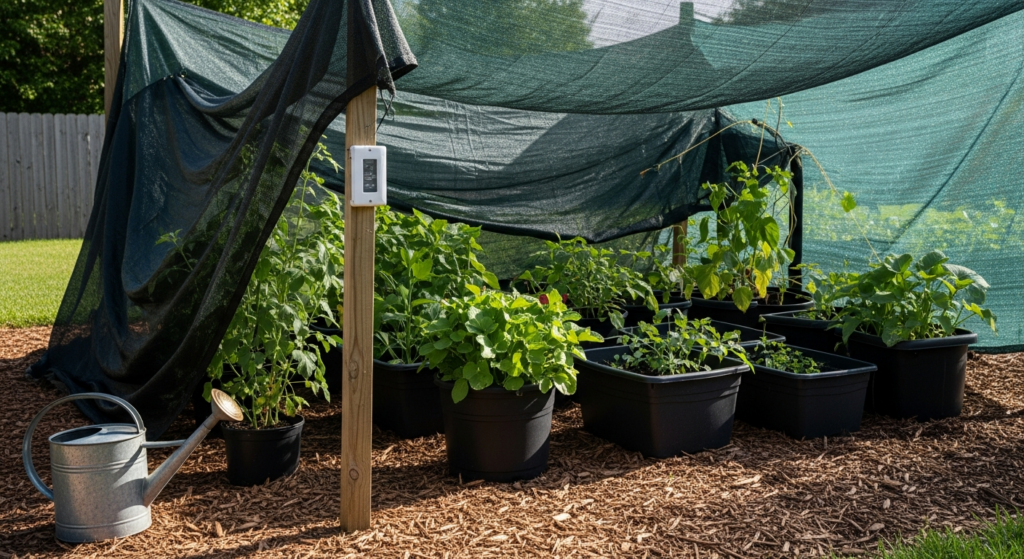
Shade is another vital tool for plant protection. For garden beds, temporary shade cloths or even strategically placed umbrellas can shield sensitive plants from direct midday sun. These covers can reduce leaf scorch and excessive water loss. For container plants and those on patios, the solution can be simpler: moving them to naturally shaded areas during the hottest parts of the day. This might mean relocating pots under a covered porch, a large tree, or even bringing smaller containers indoors for a few hours.
Mulching plays a crucial role in retaining soil moisture and regulating temperature in garden beds. A layer of organic mulch, such as wood chips, straw, or shredded leaves, can significantly reduce water evaporation from the soil surface. It also helps to keep soil temperatures cooler, protecting roots from overheating. For containers, a thin layer of mulch can also be beneficial, though ensuring proper drainage remains paramount.
Finally, avoiding strenuous outdoor gardening tasks during the hottest parts of the day is advisable for both plants and people. Pruning, planting, or heavy weeding can add stress to plants already struggling with heat. It is generally recommended to perform these activities in the cooler morning or evening hours, allowing plants to recover without the added burden of midday sun.
### Why it matters in Clinton
These plant protection strategies are particularly relevant for homeowners and institutions across Clinton. From the meticulously maintained grounds of Presbyterian College to the residential gardens in neighborhoods like Hampton Woods and College View, local greenery contributes significantly to the city’s aesthetic and environmental well-being. Implementing these measures can help preserve the vibrant landscapes that define many areas of Clinton, ensuring that public spaces and private residences alike can withstand the rigors of a typical July summer. Maintaining healthy plant life also supports local ecosystems and contributes to cooler microclimates within the city, benefiting all residents.