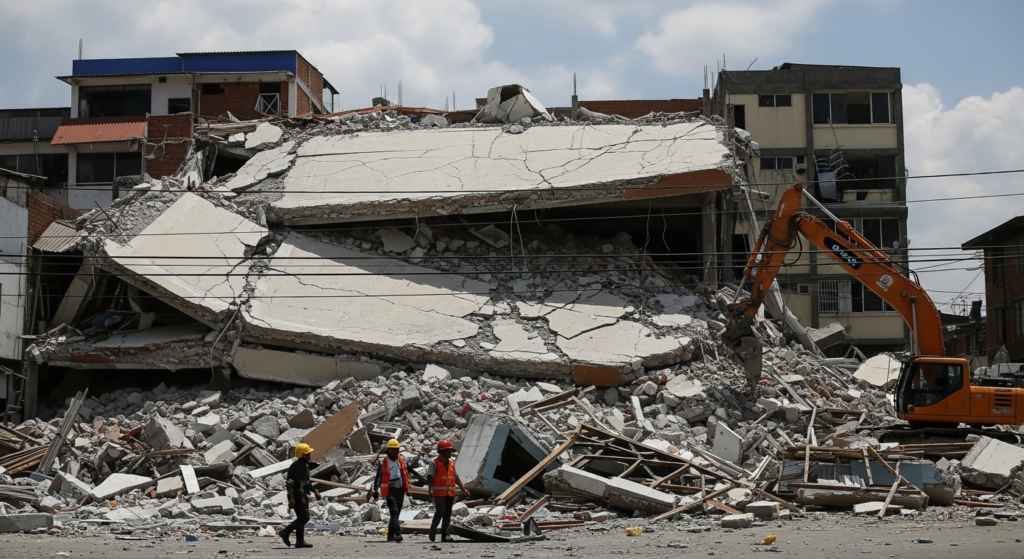
Powerful back-to-back earthquakes have struck Venezuela, prompting extensive rescue efforts that are now transitioning to address a long-term humanitarian crisis. Initial reports described a significant mobilization of resources aimed at saving lives in the immediate aftermath of the seismic events.
As the focus shifts from immediate rescue operations to the broader humanitarian recovery, the scale of the challenge is becoming apparent. Relatives have been reported searching for loved ones lost in building collapses, including a hotel that reportedly succumbed to the tremors. The situation underscores the complex and often protracted nature of disaster response, where the immediate emergency phase gives way to the critical needs of shelter, food, medical care, and psychological support for survivors.
The earthquakes have highlighted the vulnerability of infrastructure to seismic activity and the profound impact such events have on communities. The ongoing efforts are expected to involve international aid and a sustained commitment to rebuilding and supporting those affected. The transition from rescue to recovery is a critical juncture, demanding careful coordination and significant resources to address the multifaceted needs of the affected population.
The long-term humanitarian recovery will likely involve addressing not only the immediate physical needs of survivors but also the broader social and economic consequences of the disaster. This includes providing temporary housing, ensuring access to clean water and sanitation, and supporting the restoration of essential services. The resilience of the affected communities will be tested as they navigate the path toward recovery and rebuilding.