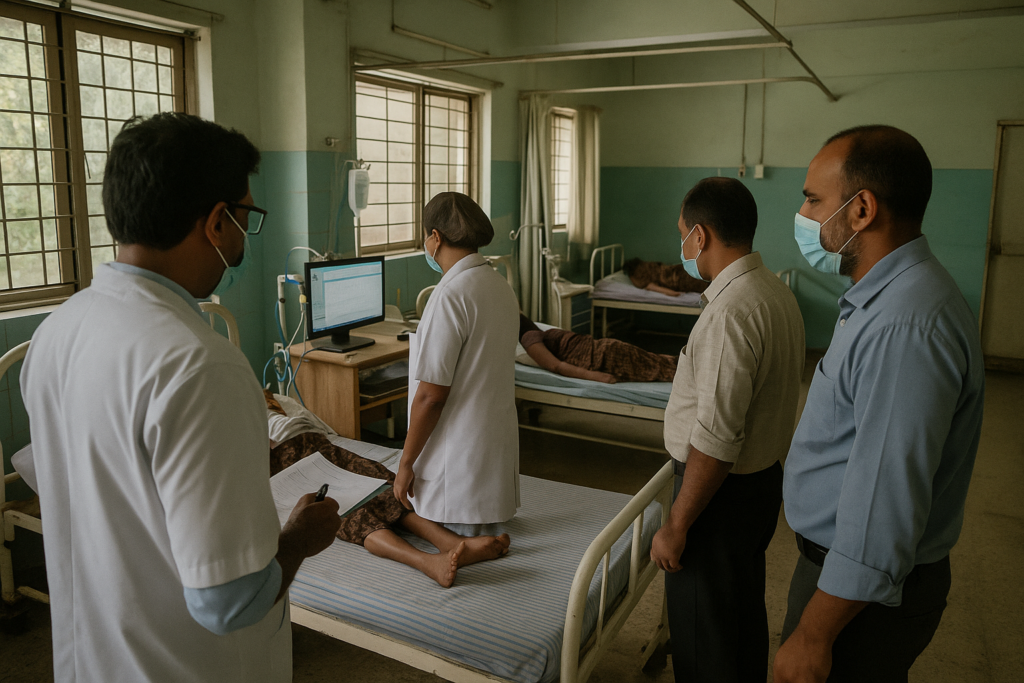
In June 2026, Kerala has seen a significant surge in Shigella cases, with reports indicating over 200 infections and six fatalities. Kozhikode district has been particularly affected, prompting health officials to intensify monitoring and response efforts. Shigella, a bacterial infection typically linked to contaminated food and water, poses serious health risks, especially in areas with inadequate sanitation.
Health authorities are investigating the outbreak’s origins and implementing measures to curb its spread. The increase in cases has raised alarms about public health safety, emphasizing the need for better hygiene practices and access to clean water. Local health departments are working to disseminate information on prevention strategies, including proper handwashing techniques and food safety guidelines.
As the situation develops, health officials are urging the public to remain vigilant and report any symptoms associated with Shigella infection, such as diarrhea, fever, and abdominal pain. The outbreak serves as a crucial reminder of the importance of public health infrastructure and community awareness in preventing similar incidents in the future.
While the situation in Kerala is concerning, it also highlights the ongoing challenges faced by health systems worldwide. Outbreaks of infectious diseases can quickly escalate, particularly in regions where access to healthcare and sanitation is limited. The response to this outbreak will likely inform future public health strategies and preparedness efforts, both in India and globally.
The rising cases of Shigella in Kerala underscore the interconnectedness of health issues across borders. Public health officials in Clinton and surrounding areas are advised to monitor developments closely, although there is currently no direct link to local health risks. Understanding the dynamics of such outbreaks can help local officials better prepare for potential health crises in their communities.
In Clinton, health officials continue to promote hygiene and sanitation as key factors in preventing the spread of infectious diseases. Educational campaigns aimed at raising awareness about proper hygiene practices remain a priority, especially during summer months when foodborne illnesses can spike due to increased outdoor activities and gatherings.
As the outbreak in Kerala unfolds, it serves as a critical case study for health officials and policymakers. The lessons learned from this situation could inform local health initiatives, ensuring that communities are better equipped to handle similar challenges in the future.
In summary, while the Shigella outbreak in Kerala is a pressing public health concern, it also provides an opportunity for reflection on how communities can strengthen their health systems and improve disease prevention strategies. By focusing on hygiene and sanitation, local health departments can play a pivotal role in safeguarding public health.