

How to Detect Hidden Roof Issues Before They Cause Major Damage
Roofs, often taken for granted, play a critical role in protecting your home. Issues can develop over time, typically unnoticed until significant damage occurs. Addressing these concerns early can save you from costly repairs. This guide outlines how to identify hidden roof issues effectively.
Understanding Common Roof Problems
Avoiding major roof repairs begins with understanding typical issues that may arise. Some of the most common problems include:
- Leaks: Often caused by damaged shingles, flashing, or seals.
- Debris Accumulation: Can lead to moisture retention and mildew buildup.
- Improper Installation: May result in alignment issues or premature wear.
- Age and Wear: Over time, materials degrade and require replacement.
Visual Inspections
Conducting Routine Checks
Establishing a routine for visual inspections can reveal early signs of trouble. Here’s what to look for:
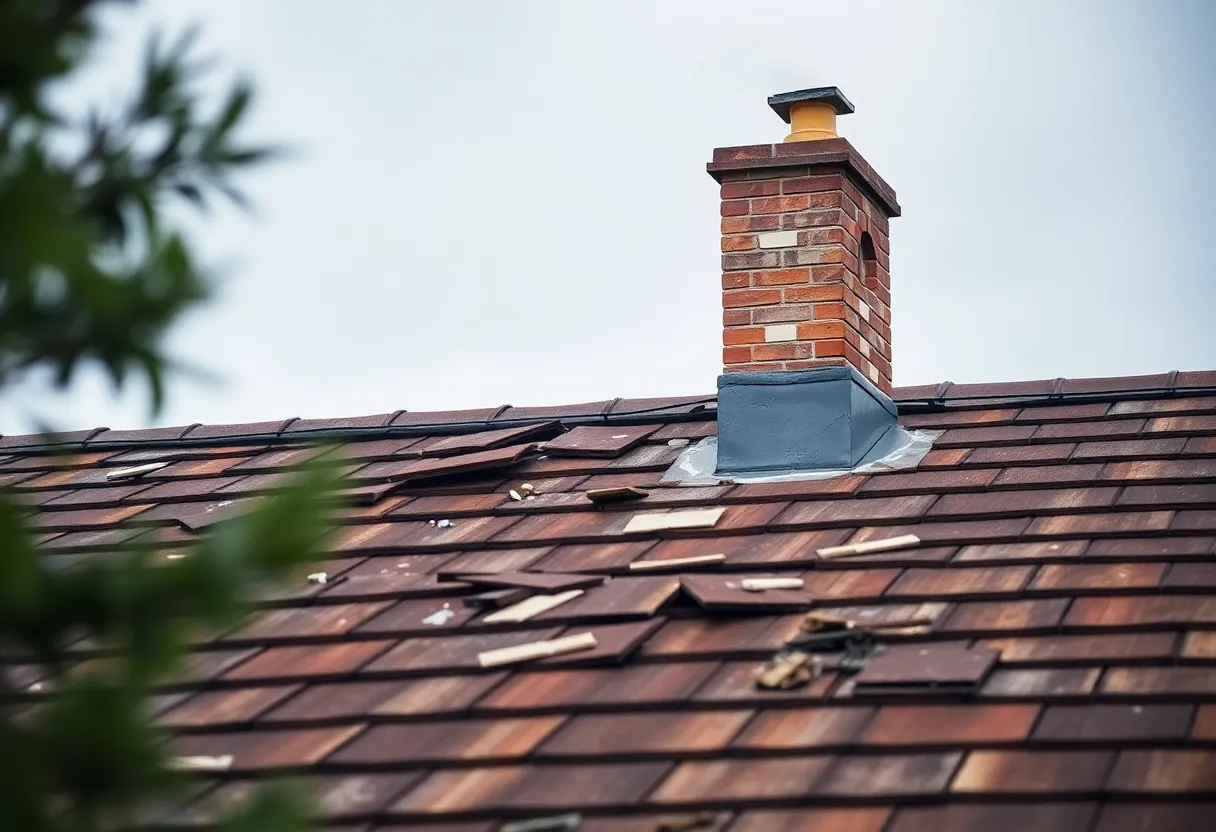
- Shingle Condition: Look for curling, cracking, or missing shingles.
- Flashing Integrity: Check for gaps or rust around vents, chimneys, and joints.
- Granule Loss: Inspect gutters for shingle granules that signify wear.
Interior Signs of Roof Problems
Interior inspections are equally important. Be on the lookout for:
- Stains on Ceilings or Walls: Indicate potential water intrusion.
- Peeling Paint or Wallpaper: Suggestive of moisture problems.
- Mildew or Mold Growth: Often occurs in areas with inadequate ventilation or leaks.
Utilizing Tools for Enhanced Detection
Technology-Assisted Inspections
Advanced technology can significantly aid in roof inspections. Various tools are available for homeowners and professionals alike:
- Infrared Cameras: Detect temperature differences indicative of leaks.
- Moisture Meters: Measure moisture in roofing materials.
- Drones: Provide a bird’s-eye view for hard-to-reach areas.
Professional Services
Sometimes, hiring a professional may be the best option. They can conduct a thorough inspection using specialized equipment and techniques. Ultimately, their experience may uncover issues you may overlook.
Seasonal Maintenance Tips
Regular maintenance helps prolong roof life and functionality. Focus on these seasonal tasks:
- Spring: Clear debris from gutters and roof surfaces. Check for signs of winter damage.
- Summer: Inspect shingles and flashing after storm seasons.
- Fall: Remove leaves and inspect for signs of wear before winter.
- Winter: Ensure snow and ice don’t accumulate to prevent ice dams.
Preparing for Extreme Weather
Extreme weather can exacerbate hidden issues. Preparing your roof can minimize the risk of damage. Consider these strategies:
- Reinforce Flashing: Ensure flashing is intact and well-sealed.
- Trim Overhanging Trees: Prevent branches from damaging the roof during storms.
- Inspect Drainage Systems: Ensure gutters are clear to prevent water buildup.
Addressing Minor Issues Promptly
Early detection and resolution of minor problems can prevent significant damage. Here’s how:
- Replace Missing Shingles: Don’t delay fixing visible issues.
- Seal Small Leaks: Use roofing tape or sealant until a permanent solution can be applied.
- Repair Flashing Immediately: Address gaps to prevent water intrusion.
Know When to Seek Professional Help
Sometimes, issues can be too complex or dangerous to handle alone. Signs that you should consider a professional include:
- Extensive Damage: Large areas of missing shingles or extensive leaks.
- Structural Concerns: Sagging roofs or burst pipes inside.
- Health Risks: Mold growth requiring specialized remediation.
Regularly Schedule Roof Inspections
Consistent inspections by a qualified professional can detect many issues early. Establish a schedule that fits the age and condition of your roof. Regular check-ups can extend the lifespan of your roofing system and maintain your home’s integrity.
Final Thoughts
Detecting hidden roof issues before they escalate is crucial for maintaining your home. Regular inspections, utilizing technology, and understanding the signs of trouble can safeguard your home from costly repairs. Stay proactive in monitoring your roof’s condition. When in doubt, always consult a professional to ensure your roof remains in optimal condition.

 Mays Contracting