


What Are the Essential Considerations When Planning a DIY Roof Overhaul?
Introduction
A roof overhaul can dramatically improve the aesthetics and functionality of a home. However, embarking on such a project requires careful planning and execution. Whether you are a seasoned DIY enthusiast or a novice, understanding the essential considerations is crucial to ensure a successful roof renovation. This article will break down the key factors to consider when planning a DIY roof overhaul.
1. Assessing the Current Roof Condition
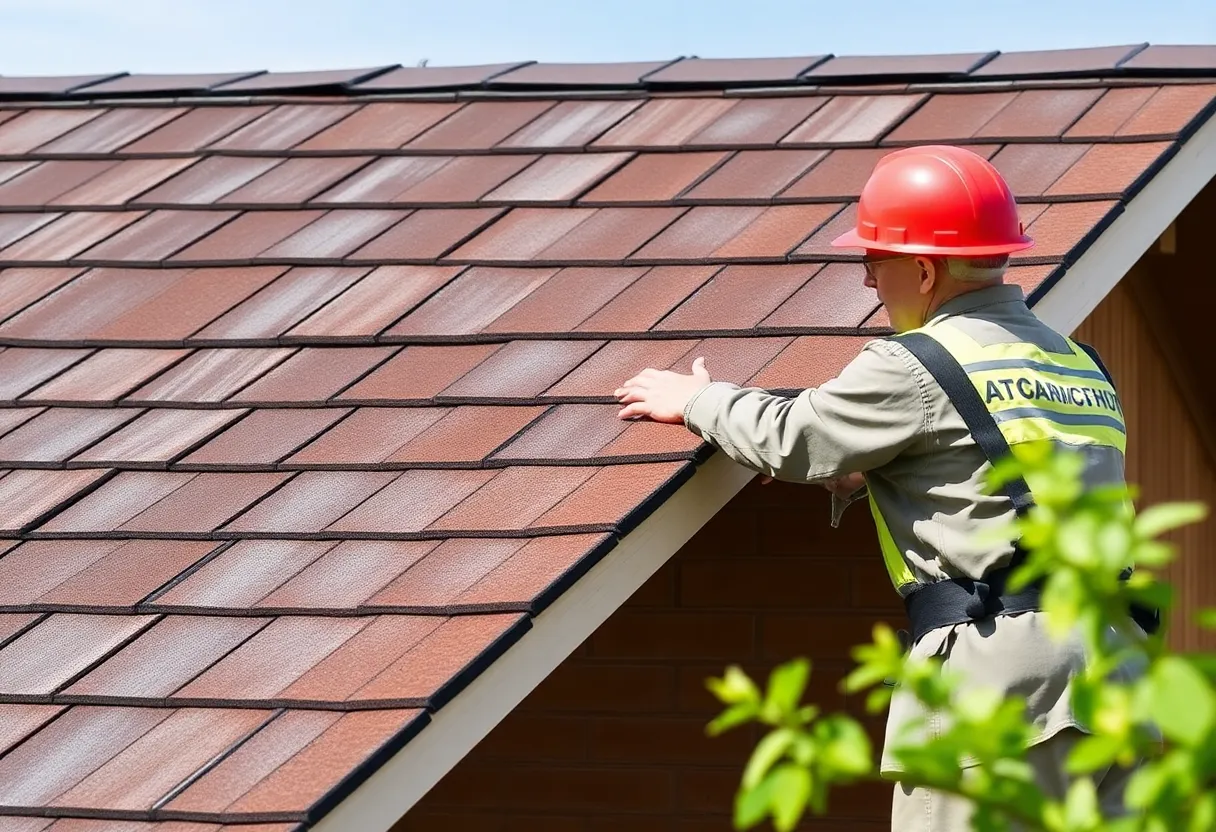
The first step towards a successful roof overhaul is to evaluate the current condition of your roof. Look for signs of damage such as missing shingles, leaks, or structural issues. It is advisable to conduct a thorough inspection both externally and internally.
Visual Inspection
Conduct a close visual assessment. Check the roof for:
- Cracked or curling shingles
- Sagging areas
- Moss growth or rusting gutters
- Any signs of water damage inside the house
Professional Assessment
If you are unsure about your findings, consider hiring a professional for an in-depth evaluation. This can provide you with a clear understanding of the required repairs or replacements.
2. Understanding Local Building Codes and Regulations
Before starting any work, familiarize yourself with local building codes and regulations regarding roofing. These regulations can dictate materials, installation methods, and structural requirements.
Permits and Licenses
Check if you need to obtain any permits for your roofing project. Failing to comply can lead to fines or complications when selling your home in the future.
3. Selecting the Right Materials
The materials used for your roof significantly affect its longevity and performance. Here are common roofing materials to consider:
Asphalt Shingles
These are affordable, easy to install, and available in various colors. They are, however, less durable than other options.
Metal Roofing
Known for its durability and energy efficiency, metal roofing can withstand harsh weather conditions. It does require a higher initial investment.
Tile and Slate
These materials offer excellent longevity and aesthetic appeal but can be heavy and costly. Ensure your roof structure can support such materials.
4. Budgeting for the Project
A comprehensive budget should include materials, tools, labor costs (if hiring help), and contingency funds for unexpected expenses. Planning will prevent overspending and help keep the project on track.
Cost Estimates
Gather estimates from local suppliers for materials. Consider potential discounts for buying in bulk or using local suppliers. Always account for an additional 10-20% to cover unexpected costs.
5. DIY Skills and Safety Precautions
Assess your skills realistically. A roof overhaul involves ladder work, heavy lifting, and exposure to heights. If you are uncomfortable with any aspect, consider hiring professionals.
Safety Gear
Personal protective equipment (PPE) is essential. Ensure you have:
- Hard hats
- Safety goggles
- Non-slip shoes
- Safety harnesses
Working with Tools
Familiarize yourself with all tools before starting. Ensure high-quality tools are available for tasks such as cutting, nailing, or sealing roofs.
6. Planning the Timeline
Develop a realistic timeline that includes all phases of the project. Climate conditions, seasonal changes, and material availability can impact your timeline. Aim for flexibility to accommodate unforeseen delays.
Project Phases
Break the project down into manageable phases. A typical timeline may include:
- Planning and design
- Material acquisition
- Removal of existing roofing
- Installation of new roofing
- Final inspections and cleanup
7. Preparing the Work Area
Before beginning, prepare your workspace. This involves clearing any obstacles, setting up ladders, and protecting landscaping or adjacent structures.
Ground Conditions
Ensure the area surrounding your home is stable and clear of debris. This is vital for your safety and the effective transport of materials.
Neighbor Considerations
Consider notifying neighbors about your project, especially if it will involve noise or disruptions. Good communication can prevent misunderstandings.
8. Installation Techniques
Follow manufacturer guidelines for installation closely. Each material has specific requirements that, if not followed, can lead to future issues.
Layering and Sealing
Ensure that your installation covers all gaps and seams. Proper layering helps enhance water resistance and increases the lifespan of your roof.
9. Final Inspections and Maintenance
After completing the installation, conduct thorough inspections. Look for any areas requiring repair or adjustment. Paying attention to details now can save you from dealing with problems later on.
Regular Maintenance Schedule
Establish a routine for maintenance checks. Clean gutters, inspect for leaks, and replace any damaged components to prolong your roof life.
Conclusion
Roofs are integral to your home’s structure and safety. A DIY roof overhaul, while rewarding, demands careful planning and thorough execution. By considering the factors outlined above, you can mitigate risks associated with a roofing project and ensure a satisfactory outcome.

 Mays Contracting