

How Can You Effectively Prepare Your Roof for Seasonal Maintenance?
Seasonal roof maintenance is crucial for the longevity and performance of your roofing system. By taking the right steps to prepare your roof, you can prevent costly repairs and extend its lifespan. This guide outlines essential practices for effective roof preparation as seasons change.
Understand Your Roof’s Structure
A thorough understanding of your roof’s structure is vital. Different roofing materials—shingles, metal, tile—require specific maintenance approaches. Knowledge about your roof’s material allows you to address its particular needs efficiently.
Inspect Roofing Material
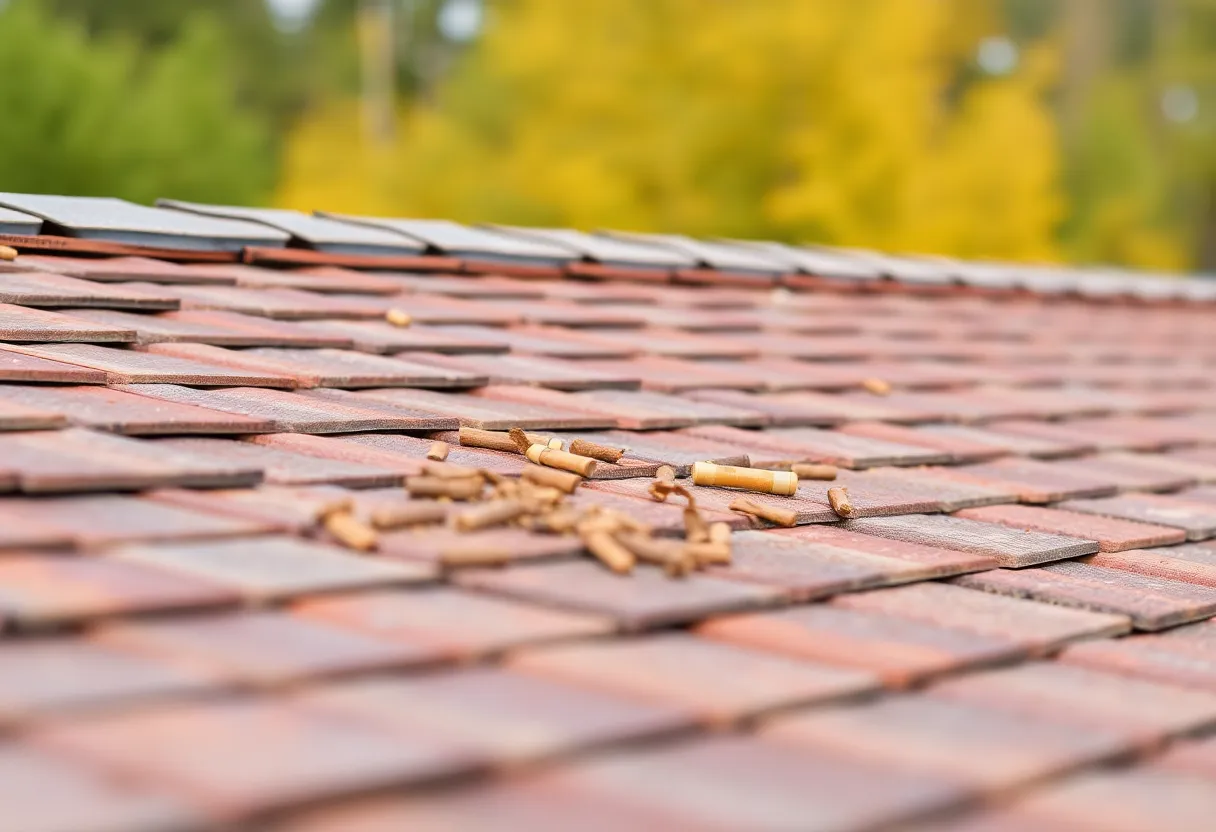
Conduct regular inspections to check for signs of wear and tear. Look for:
- Missing or damaged shingles
- Rust spots on metal roofs
- Cracked tiles
- Flashing integrity and any potential leaks
Identifying problems early on can prevent more extensive damage later.
Seasonal Checklists
Creating a checklist for each season will streamline your maintenance efforts. Addressing seasonal challenges increases your roof’s durability.
Spring Maintenance
Spring is the perfect time to assess your roof after winter’s harsh conditions. Perform the following:
- Remove debris, such as leaves and branches, from the roof surface and gutters.
- Check for algae or moss growth; a cleaning solution may be necessary.
- Inspect your flashing for rust or deterioration.
Summer Preparations
Excessive heat can harm roofing materials, making summer checks essential:
- Inspect for any warping or soft spots on the roof.
- Ensure proper ventilation; inadequate airflow can lead to heat build-up.
- Consider applying a reflective coating to reduce heat absorption.
Autumn Tasks
As leaves begin to fall, focus on:
- Cleaning gutters to ensure proper water drainage and prevent ice dam formation.
- Inspecting chimney and vent areas for possible blockages.
- Sealing any gaps in flashing or shingles to prevent winter infiltration.
Winter Preparations
Winter conditions can be harsh. Before the snow arrives, take the following precautions:
- Clear excess snow from the roof to prevent collapse.
- Check for ice dams and ensure drainage pathways are clear.
- Examine attic insulation to maintain warmth and reduce ice formation.
Professional Inspections
While some maintenance tasks can be done by homeowners, professional inspections are critical. Engaging a qualified contractor offers several benefits:
- Expert assessment of roofing material conditions
- Identification of hidden issues that may not be visible
- Recommendations for repairs and improvements
Consider scheduling a professional inspection at least twice a year—spring and fall.
Implementing Preventative Measures
Specific preventative measures can enhance your roof’s ability to withstand seasonal changes:
Installing Gutter Guards
Gutter guards can prevent debris accumulation that leads to clogging, reducing the risk of water damage.
Use Quality Roofing Materials
Choose high-quality materials suited to your local climate. Durable materials withstand seasonal variations effectively.
Maintain Proper Ventilation
Proper ventilation reduces heat and moisture build-up, which can both damage roofing materials and promote mold growth.
Emergency Preparedness
Be prepared for unexpected weather events. Have a plan in place for emergency repairs:
- Keep contact information for roofing contractors readily available.
- Know the location of your utility shut-offs.
- Have a basic toolkit for temporary repairs, such as tarps or patches.
Document Your Maintenance
Keep a detailed log of all maintenance tasks, inspections, and repairs. This documentation provides:
- A reference for future maintenance
- Evidence of upkeep for potential buyers
- Insight into recurring issues
Conclusion
Preparing your roof for seasonal maintenance is an ongoing process that requires diligence and attention to detail. Understanding your roof’s specific needs and implementing a systematic approach can greatly reduce the risks of costly repairs. Seasonal checklists, professional inspections, and preventative measures are essential for maintaining a robust and durable roofing system. By taking these necessary steps, homeowners can ensure their roof stands strong against the elements throughout the year.

 Mays Contracting