Preparing for the 2026 hunting season requires careful attention to regulations, safety, and equipment, especially for those new to the pursuit. For individuals in Clinton and Laurens County considering their first hunt, a comprehensive approach to preparation is essential, encompassing everything from formal education to understanding local land access.
One of the foundational steps for any new hunter is completing a state-approved hunter education course. These courses are designed to instill critical knowledge and skills, covering a broad spectrum of topics vital for safe and ethical hunting. Instruction typically includes firearm or archery safety, principles of fair chase, accurate wildlife identification, and establishing safe zones of fire. Participants also learn essential survival techniques, basic first aid, and specific local hunting regulations. Depending on the state, these courses may be offered through traditional classroom settings with a required field day, as online coursework followed by an in-person field day, or, for adults in some jurisdictions, as fully online programs. The summer months offer an ideal window for new hunters to complete these necessary certifications before the season’s opening days.
Navigating the complexities of hunting licenses and species tags is another crucial step. Regulations are highly variable, often differing by state, specific game unit, species targeted, and even the type of weapon used. Factors such as minimum calibers or draw weights, bag limits, and specific tagging or reporting requirements can also vary based on the animal’s sex or age. For high-demand hunts, a lottery application process may be required, while other tags might be available for purchase over the counter. New hunters are strongly advised to consult current state regulations rather than relying on outdated information, as rules can change annually.
Securing legal hunting access is paramount. This involves understanding the distinctions between private and public lands. For private property, obtaining written or electronic permission from the landowner is a non-negotiable requirement. Public lands, such as portions of the Sumter National Forest – Enoree District, come with their own set of restrictions and boundary considerations that hunters must meticulously research and respect. Before any hunt, it is also recommended that individuals leave a detailed itinerary with someone, outlining their planned location and expected return time.
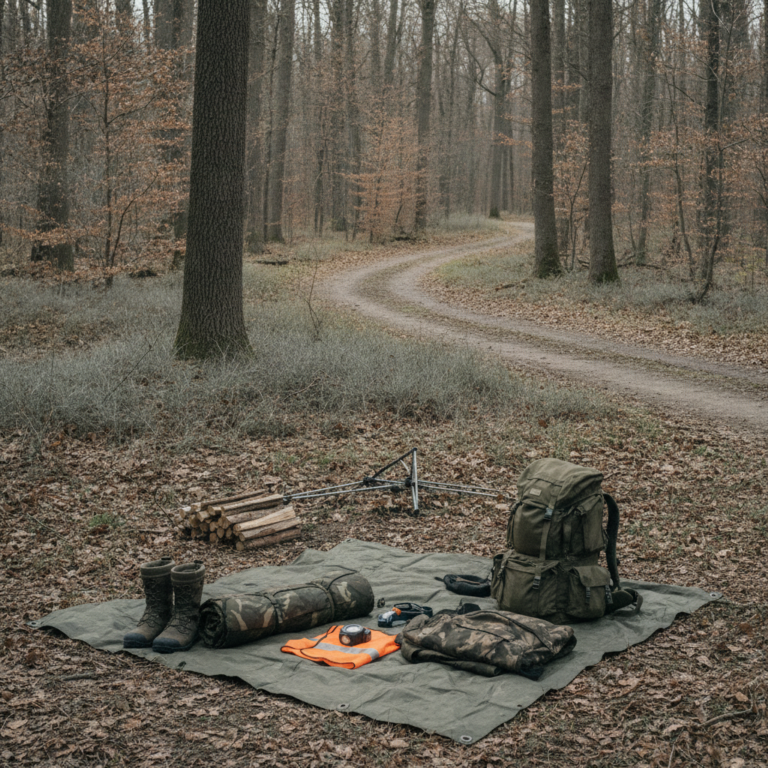
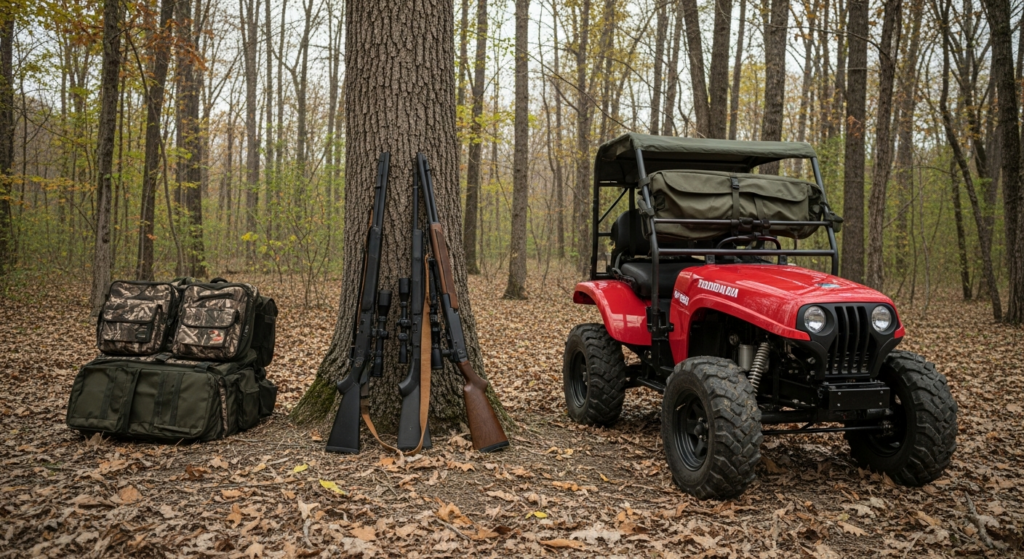
Equipping oneself properly is another significant aspect of preparation. A basic gear list for new hunters includes a legal weapon appropriate for the target species and ammunition or arrows, along with dedicated practice equipment. Beyond the necessary licenses and tags, hunters should acquire hunter orange clothing where mandated, broken-in waterproof boots, and layered non-cotton clothing suitable for varying weather conditions. Other essential items include binoculars for scouting, a day pack to carry supplies, sufficient water, high-calorie snacks, a headlamp with extra batteries, a sharp knife, and a comprehensive first-aid kit.
Budgeting for new gear is an important consideration. An entry-level rifle paired with a basic scope can cost approximately $450 to $800. For those pursuing deer or small game, a suitable shotgun typically ranges from $350 to $700. Compound bow packages, complete with essential accessories, often fall within the $400 to $900 range. Basic clothing layers and quality boots may require an investment of $200 to $400, while entry-level binoculars can cost between $100 and $250. Used or budget-friendly options are often available, potentially reducing these initial outlays.
Safety in the field cannot be overstated. The guide emphasizes four fundamental firearm safety rules: always treat every firearm as if it is loaded, consistently keep the muzzle pointed in a safe direction, keep your trigger finger off the trigger until you are ready to shoot, and always positively identify your target and what lies in front of and beyond it. For hunters utilizing elevated stands, additional safety measures are critical. These include wearing a full-body safety harness, using a lineman’s belt and a lifeline, thoroughly inspecting the stand before each use, and employing a haul line to raise and lower unloaded weapons.
Beyond safety, developing effective fieldcraft is crucial. This involves practicing until a reliable shot from various field positions is possible. When possible, new hunters are encouraged to seek guidance from an experienced mentor. Keeping a hunting journal can also be beneficial, allowing hunters to record observations about location, wind patterns, weather conditions, game sightings, and lessons learned from each outing. This practice helps build experience and refine strategies over time.
After a shot, responsible recovery protocols are essential. Hunters are advised to carefully observe the animal’s reaction, mark the last known location, and wait an appropriate amount of time before beginning to track. Tracking should commence at the hit site, following signs slowly and methodically. If tracking becomes difficult, seeking help from experienced individuals is prudent. Once the animal is recovered, it must be tagged as required by state regulations. Prompt cooling and cleaning of the meat are vital for preservation, and hunters must adhere to all state rules regarding carcass or quarter transport.
First hunting seasons often involve early mornings, long periods without seeing game, and sometimes missed opportunities or mistakes. The guide frames success not merely as filling a tag, but as the development of safe, legal, ethical, and practical hunting skills. This perspective encourages new hunters to focus on the learning process and responsible participation in the sport.
Why it matters in Clinton
For many residents of Clinton and Laurens County, the approaching hunting season represents a significant cultural and recreational activity. The region’s proximity to extensive public lands, such as the Sumter National Forest – Enoree District, offers substantial opportunities for outdoor pursuits. Ensuring that new hunters are thoroughly prepared and adhere to safety and ethical guidelines directly impacts the sustainability of local wildlife populations and the safety of all who utilize these natural resources. The Laurens County Health Care System (Prisma Health) also benefits from a community educated in first aid and responsible outdoor practices, reducing preventable accidents. Responsible hunting practices contribute to the overall health of the ecosystem and preserve a cherished tradition for future generations in Clinton.