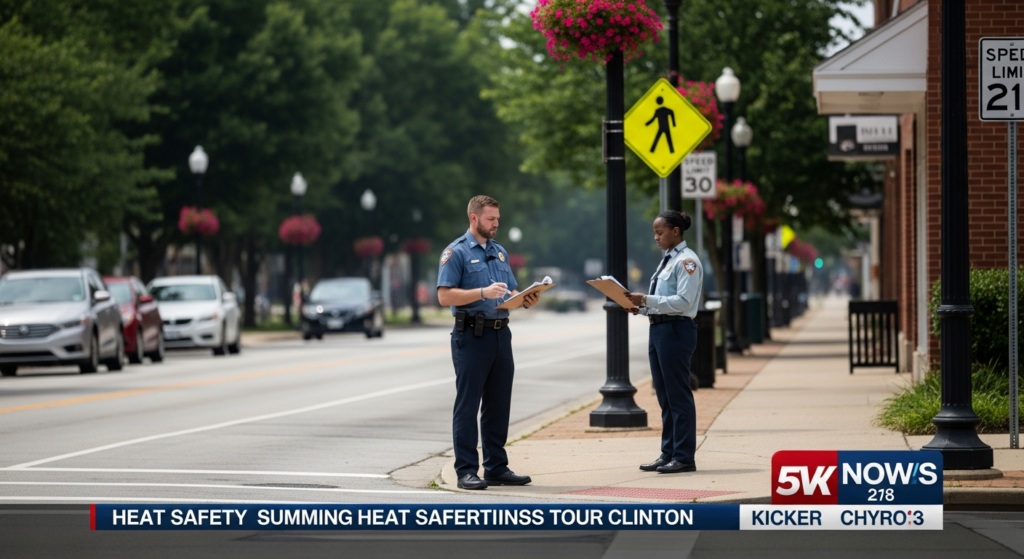
Public health authorities are reiterating crucial guidance on preventing and responding to heat-related illnesses, a significant concern as the summer season continues. The warnings come after 2023 saw 294 fatalities in the United States attributed to weather-related excessive heat, underscoring the serious risks posed by high temperatures.
Understanding who is most susceptible to heat-related complications is the first step in prevention. Key at-risk groups include individuals working outdoors, infants and young children—especially those inadvertently left in hot vehicles—and adults aged 65 and older. Additionally, people with pre-existing illnesses, chronic health conditions, or those taking certain medications face heightened vulnerability. Individuals who are overweight also fall into a higher-risk category, as their bodies may struggle more to regulate temperature effectively.
For outdoor workers, a demographic prevalent across various sectors in Clinton, specific precautions are paramount. Employers and employees are advised to implement shorter work shifts, particularly for those not yet acclimated to the heat. Consistent hydration is critical; workers should consume fluids before they feel thirsty to maintain proper hydration levels. Monitoring coworkers for symptoms of heat stress is also a vital practice, fostering a collective safety environment. Regular breaks to rest and cool down in shaded or air-conditioned areas are essential to prevent the onset of heat exhaustion or heat stroke.
Recognizing the symptoms of heat exhaustion is crucial for early intervention. Individuals experiencing heat exhaustion may exhibit pale, ashen, or moist skin. Muscle cramps are a common indicator, often accompanied by feelings of fatigue, weakness, or general exhaustion. Headaches, dizziness, or fainting spells can also occur. Nausea or vomiting, along with a rapid heart rate, further signal that the body is struggling to cope with the heat. These symptoms indicate that the body’s core temperature is rising, and immediate action is needed to prevent progression to more severe conditions.
Heat stroke represents a medical emergency requiring immediate attention. Signs of heat stroke are more severe and include a body temperature exceeding 103 degrees Fahrenheit. The skin may appear flushed, dry, and hot, often with sweating having stopped—a critical distinction from heat exhaustion. Rapid breathing, severe headache, dizziness, confusion, or other altered mental states are common. Individuals may also display irrational or belligerent behavior, experience convulsions, or become unresponsive. The cessation of sweating in a hot environment is a particularly alarming sign, indicating that the body’s primary cooling mechanism has failed.
In the event of suspected heat stroke, immediate action is vital. The first step is to call 911 without delay. While awaiting emergency medical services, move the victim to the coolest available place, such as an air-conditioned room or a shaded area. Remove any unnecessary clothing to facilitate cooling. Begin actively cooling the victim using methods such as cold-water immersion, if feasible, or applying cold, wet towels to the skin, particularly on the neck, armpits, and groin. Continue these cooling efforts until the victim’s body temperature falls to approximately 101 degrees Fahrenheit. Throughout this process, monitor the victim’s breathing and be prepared to administer cardiopulmonary resuscitation (CPR) if breathing ceases.
Preventive measures are the most effective way to avoid heat-related illnesses altogether. Utilizing air conditioning, whether at home or in public spaces, is highly recommended during periods of extreme heat. Consistent fluid intake, even when not feeling thirsty, is paramount; water, fruit juice, or sports drinks are good choices to replace fluids and electrolytes lost through sweating. Alcohol consumption should be avoided, as it can contribute to dehydration. Wearing loose-fitting, lightweight clothing and a wide-brimmed hat can help protect against sun exposure and promote air circulation around the body. Replacing salt lost through sweating with fruit juice or sports drinks can help maintain electrolyte balance.
Limiting outdoor activity between 11 a.m. and 3 p.m., when the sun’s rays are strongest and temperatures are typically highest, is a key recommendation. If outdoor activity is unavoidable, wearing sunscreen with a high SPF and reapplying it regularly is important to prevent sunburn, which can impair the body’s ability to cool itself. Pacing physical exertion and taking frequent breaks are also crucial. Finally, community vigilance plays a significant role: checking on elderly, house-bound, or otherwise vulnerable neighbors can provide critical support and ensure they are taking necessary precautions.
Why it matters in Clinton
The persistent summer heat in Clinton necessitates a proactive approach to public health, directly impacting the well-being of residents and the operations of local institutions. The Laurens County Health Care System (Prisma Health) stands ready to address heat-related emergencies, but preventative measures can significantly reduce the strain on medical resources. Employers like Renfro Corporation and the City of Clinton’s public works departments must ensure their outdoor workers are protected, implementing the recommended shorter shifts and hydration protocols. Furthermore, the safety of children enrolled in programs within the Laurens County School District 56 and the elderly in neighborhoods such as Hampton Woods and Southwood relies on widespread awareness and adherence to these guidelines, ensuring a healthier and safer summer for the entire Clinton community.