A comprehensive guide for first-time hunters has been released, outlining essential steps for legal preparation, safety, and field practices for the upcoming 2026 hunting seasons. The resource aims to equip new participants with foundational knowledge, particularly relevant for those considering hunting opportunities in and around Clinton.
For individuals embarking on their first hunting season, the guide emphasizes a structured approach beginning with education and legal compliance. New hunters are strongly advised to complete a state-approved hunter education course. These courses, designed to instill principles of safety, ethics, and conservation, are typically offered in several formats: traditional classroom instruction combined with a mandatory field day, online instruction also paired with a field day, or, in some states, fully online coursework for adult learners. The field day component is often crucial, providing practical experience in firearm handling, tree stand safety, and other critical skills under direct supervision.
Beyond education, securing the correct hunting license and species-specific tags is a non-negotiable first step. These documents are issued by state wildlife agencies, such as the South Carolina Department of Natural Resources (SCDNR), and are fundamental to legal participation. The guide also stresses the importance of obtaining legal access to hunting land before opening day. This can involve researching public lands, such as portions of the Sumter National Forest – Enoree District or specific areas within Lake Greenwood State Park, or securing permission from private landowners, a common practice in Laurens County.
The regulatory landscape for hunting is complex and varies significantly. The guide details that season dates, legal weapons, minimum calibers or draw weights for firearms, bag limits, and tagging or reporting requirements are not universal. Instead, these rules are often specific to the state, the particular game unit or county, the type of weapon used (e.g., archery, muzzleloader, modern firearm), and sometimes even the sex or age of the animal. For example, deer hunting regulations in South Carolina can differ between the Upstate region and other parts of the state, necessitating a thorough review of current SCDNR publications for anyone hunting near Clinton.
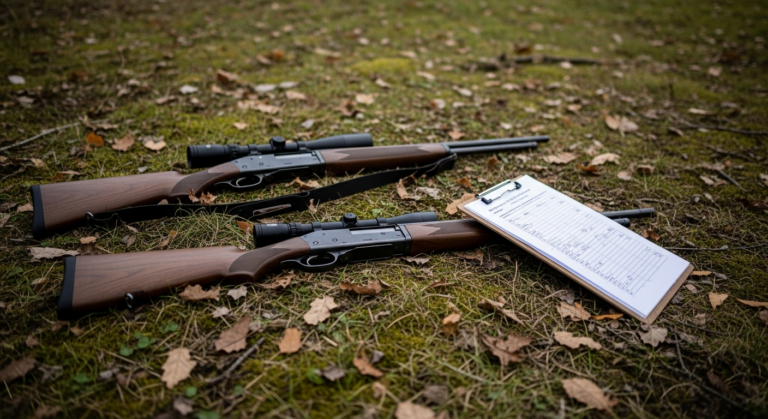
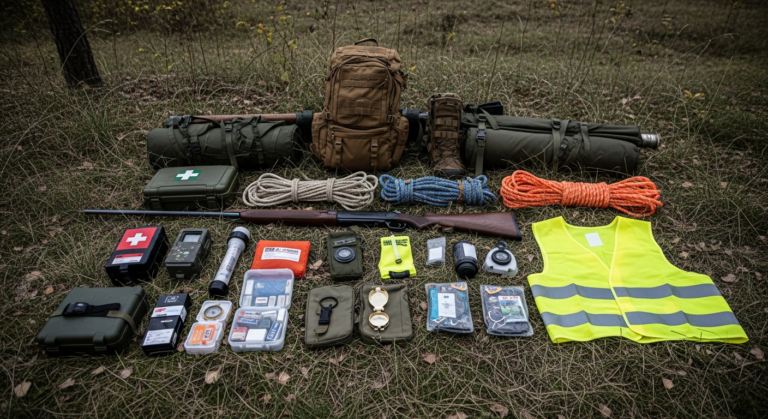
Equipping oneself properly is another critical aspect covered by the guide. Recommended core equipment for new hunters includes a legal weapon appropriate for the intended game, along with sufficient practice ammunition or arrows to ensure proficiency. Licenses and tags must be carried at all times. Hunter orange, where required by state law, is essential for visibility and safety. Other vital items include broken-in boots for comfort and support over varied terrain, layered clothing suitable for changing weather conditions, binoculars for scouting and identification, a day pack to carry essentials, adequate water, high-calorie snacks, a headlamp with extra batteries for low-light conditions, a sharp knife for field dressing, and a comprehensive first-aid kit for emergencies.
The initial investment in hunting gear can be substantial, and the guide provides approximate cost estimates to help new hunters budget. An entry-level rifle with a basic scope might range from $450 to $800, while a shotgun suitable for deer or small game could cost between $350 and $700. For archers, a compound bow package is estimated at $400 to $900. Beyond weapons, essential items like broken-in boots and basic clothing layers represent an additional $200 to $400, and entry-level binoculars typically run $100 to $250. These figures highlight the need for careful financial planning before the season begins.
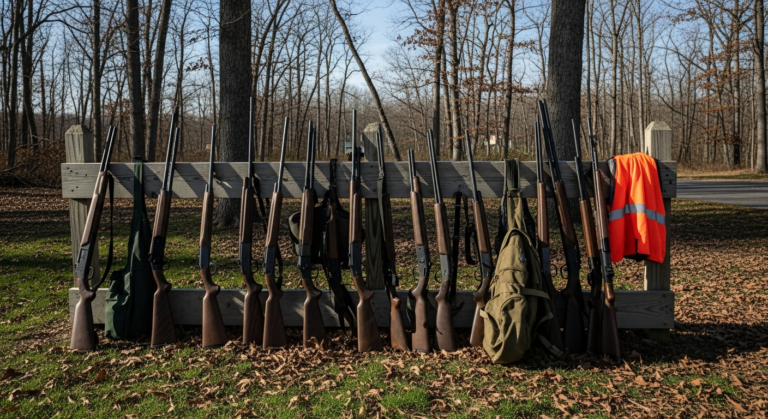
Safety guidance is paramount, with the guide reiterating fundamental firearm safety rules: treating every firearm as if it is loaded, always keeping the muzzle pointed in a safe direction, keeping the finger off the trigger until ready to shoot, and identifying the target, what is in front of it, and what is beyond it. For hunters using elevated stands, the guide strongly advises the use of a full-body harness, a lineman’s belt for climbing, and a lifeline for continuous attachment, significantly reducing the risk of falls. These precautions are critical for preventing accidents, which can have severe consequences.
Fieldcraft and post-shot recovery are also detailed. The guide encourages pre-season scouting to understand animal movements and habitat, recognizing animal signs like tracks and scat, and practicing calling techniques where applicable. After a shot, the focus shifts to ethical recovery. This includes tagging the animal immediately as required by state law, cooling the meat quickly to prevent spoilage, and keeping it clean during field dressing and transport. Specific rules for field dressing and transport vary by species and state, and adherence is crucial. For those who prefer professional assistance, processing services are available, with estimated costs ranging from around $80 to $200 or more per animal, depending on size and services requested.
Why it matters in Clinton:
For Clinton, where outdoor recreation and agricultural traditions hold significant cultural and economic weight, the availability of clear guidance for new hunters is particularly relevant. The Sumter National Forest – Enoree District, a substantial public land resource accessible to Clinton residents, offers diverse hunting opportunities that contribute to the local economy through equipment sales and related services. Ensuring new participants are well-informed about safety and regulations supports responsible land use and wildlife management, impacting local conservation efforts and the overall recreational landscape enjoyed by families and visitors to areas like Lake Greenwood State Park. This comprehensive preparation helps maintain the integrity of hunting as a valued tradition in Laurens County and promotes a safe environment for all outdoor enthusiasts.