A new guide has been released, offering essential safety protocols for anglers, with a particular emphasis on precautions necessary during the summer months. The recommendations cover a range of topics from mitigating sun exposure and maintaining proper hydration to recognizing and responding to heat-related emergencies, alongside advice for equipment care.
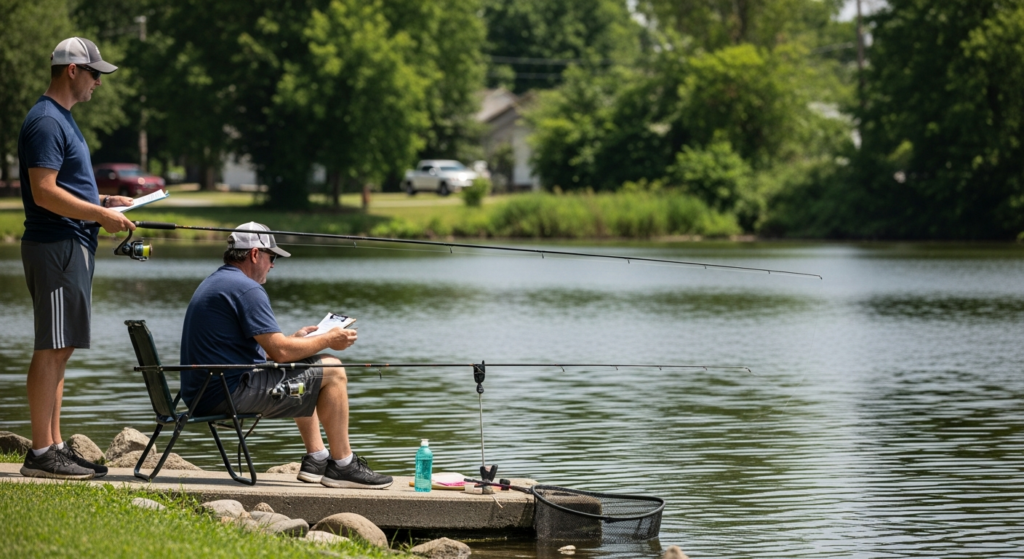
The guide underscores the significant risk posed by solar radiation, noting that the sun’s ultraviolet (UV) rays are at their most intense between 10 AM and 4 PM. Compounding this risk, water surfaces can reflect up to 15% of UV radiation, increasing overall exposure for those on or near the water. To counter this, the guide strongly advises the use of broad-spectrum sunscreen with a minimum SPF (Sun Protection Factor) of 30. For individuals planning extended periods on the water, such as those fishing on Lake Greenwood or the Enoree River, an SPF of 50+ is specifically recommended. Proper application is also highlighted: sunscreen should be applied at least 30 minutes before heading outdoors and reapplied every two hours, or more frequently if an angler is sweating heavily or has been splashed.
Beyond sunscreen, the guide advocates for a layered approach to sun protection through clothing and accessories. Lightweight, long-sleeved clothing with a UPF (Ultraviolet Protection Factor) rating is suggested to provide a physical barrier against UV rays. A wide-brimmed hat, offering at least four inches of coverage around the entire head, is also crucial for protecting the face, ears, and neck. To safeguard vision and prevent glare-induced eye strain, polarized sunglasses that block 100% of UV radiation are recommended. These measures are particularly pertinent for those spending long hours casting lines from the banks of Duncan Creek or navigating the waters of Lake Rabon.
Hydration is another cornerstone of the safety advice. The guide recommends that active anglers drink at least eight ounces of water every 15 to 20 minutes to prevent dehydration, especially during the warmer summer days. It explicitly cautions against consuming beverages high in caffeine or alcohol, as these can act as diuretics and contribute to fluid loss, exacerbating the risk of dehydration. Maintaining adequate fluid intake is vital for anyone enjoying the numerous fishing opportunities available in the Clinton area, from the smaller Reedy Creek Pond to the larger Buzzard Roost Reservoir.
The guide also provides clear indicators for recognizing heat-related illnesses, which can escalate rapidly in high temperatures. Symptoms of heat exhaustion include heavy sweating, general weakness, nausea, headache, and muscle cramps. If these signs appear, the individual should move to a cooler environment, rest, and rehydrate. More severe and potentially life-threatening is heat stroke, characterized by a body temperature exceeding 103°F, an altered mental state (confusion, irritability, or disorientation), hot and dry skin (though sweating may still occur), and a rapid pulse. Unconsciousness can also be a symptom. The guide emphasizes that heat stroke is a medical emergency requiring immediate professional attention.
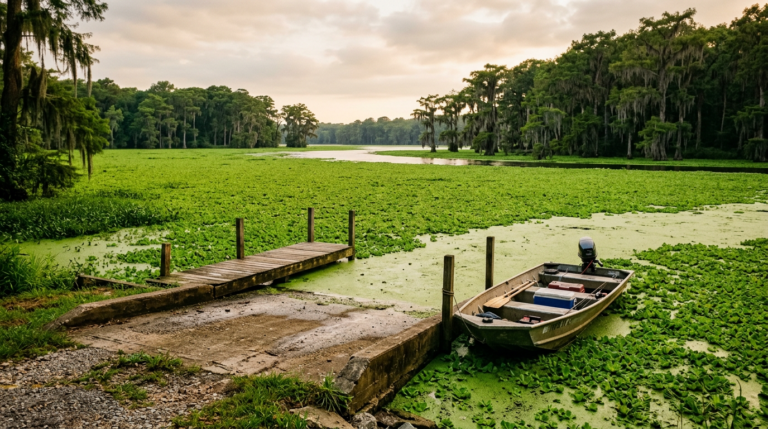
For those venturing out on boats, such as on Lake Greenwood, additional precautions are outlined. Anglers are advised to thoroughly check their engine cooling systems before departure to prevent breakdowns that could leave them stranded. Filing a float plan with a trusted contact, detailing their route, expected return time, and the number of people on board, is also a critical safety step. Emergency supplies, including a VHF radio for communication, should always be carried. Crucially, the guide recommends having at least one gallon of water per person per day for emergencies, ensuring sufficient hydration even if unexpected delays occur.
Finally, the guide addresses the impact of heat and UV exposure on fishing equipment. Direct sunlight can degrade gear over time, so protecting equipment from prolonged exposure is advised. Fishing lines, particularly monofilament and fluorocarbon, are susceptible to weakening from heat and UV radiation, necessitating more frequent checks for integrity. The guide suggests considering braided lines as an alternative, noting their tendency to be more UV-resistant and durable under harsh conditions. This attention to equipment detail can prevent frustrating breakages and ensure a safer, more productive fishing experience across Clinton’s diverse waterways.
Why it matters in Clinton
For residents of Clinton, these fishing safety guidelines hold particular relevance given the abundance of local waterways and recreational areas. Lake Greenwood, a prominent feature in the immediate surroundings, along with the Enoree River and numerous creeks and reservoirs like Duncan Creek Reservoir, are popular destinations for anglers throughout the summer. Adhering to these recommendations directly impacts the well-being of individuals enjoying these natural resources, potentially reducing instances of heat-related illnesses that could strain local emergency services, including those provided by the Laurens County Health Care System (Prisma Health). By following these safety measures, Clinton residents can ensure their time spent fishing remains enjoyable and safe, contributing to the overall health and vitality of the community’s outdoor pursuits.