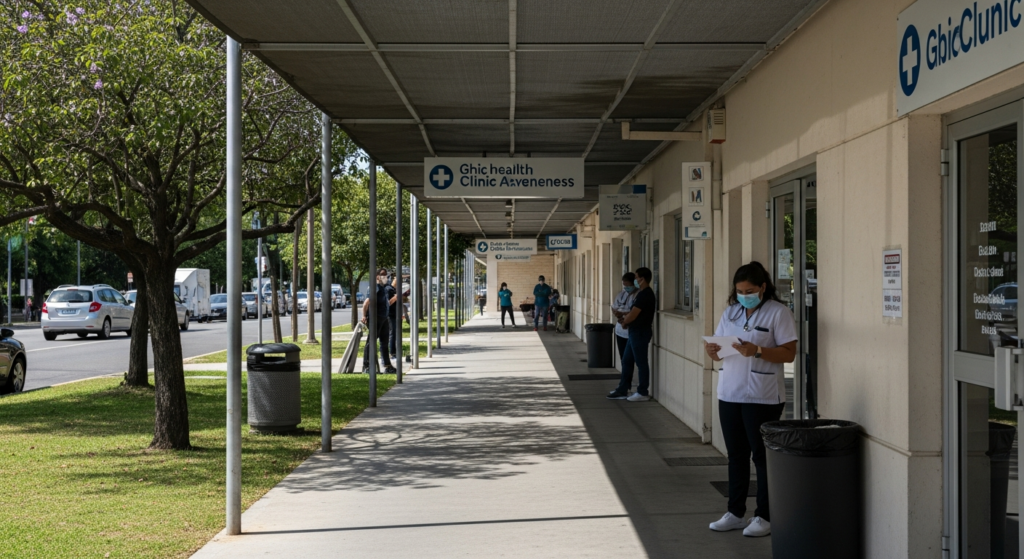
An expanding Ebola outbreak in Congo is prompting health officials globally to reiterate the importance of public health literacy and travel awareness, a message that resonates with residents of Clinton. The ongoing situation highlights the interconnectedness of global health and the need for communities like Clinton to remain informed about international health developments.
The outbreak in Congo has been described as remaining in an expansion phase, with reports indicating hundreds of deaths and suspected spread into additional provinces. A significant concern for public health experts is that many new cases have not been previously identified on contact lists, suggesting that the transmission chain is being missed in some instances. This under-detection risk complicates containment efforts and underscores the challenges faced by health authorities in the affected regions.
Ebola virus disease is a severe, often fatal illness in humans. The virus is transmitted to people from wild animals and then spreads in the human population through direct contact with the blood, secretions, organs or other bodily fluids of infected people, and with surfaces and materials (e.g., bedding, clothing) contaminated with these fluids. Symptoms can include fever, severe headache, muscle pain, weakness, fatigue, diarrhea, vomiting, stomach pain, and unexplained bruising or bleeding. Understanding these basic facts is a cornerstone of public health literacy, enabling individuals to grasp the severity and transmission pathways of such diseases.
While the outbreak is geographically distant from Clinton, global travel and commerce mean that health events in one part of the world can have implications elsewhere. For this reason, public health agencies worldwide continuously monitor such situations. The focus for communities not directly affected, like Clinton, shifts to preparedness through knowledge and the responsible dissemination of accurate health information.
Public health literacy is crucial for residents to make informed decisions about their health and safety, especially when considering international travel. This involves knowing where to access credible health information, understanding basic disease prevention measures, and recognizing when to seek medical advice. In Clinton, institutions such as the Laurens County Health Care System (Prisma Health) serve as vital local resources for general health guidance and information, providing a trusted point of contact for community members seeking clarity on health concerns.
Travel awareness is another key component. Individuals planning international trips, particularly to regions with known health risks or developing healthcare infrastructure, are advised to consult official travel health advisories well in advance of their departure. These advisories provide up-to-date information on recommended vaccinations, precautions against infectious diseases, and guidance on what to do if illness occurs while abroad. Being proactive about health preparations before and during travel can significantly mitigate risks.
Presbyterian College, a prominent institution in Clinton, also plays a role in fostering an informed community. Through its academic programs, particularly in health sciences, and its engagement with the broader community, the college contributes to a culture of awareness and education regarding health matters. This collaborative approach, involving healthcare providers, educational institutions, and informed citizens, strengthens the overall public health resilience of Clinton.
### Why it matters in Clinton
The ongoing Ebola outbreak in Congo, while geographically distant, serves as a critical reminder for Clinton residents about the importance of global health vigilance and robust local public health practices. The Laurens County Health Care System (Prisma Health), a major employer and healthcare provider in Clinton, remains a foundational resource for health information and care. By staying informed about global health threats and understanding basic public health principles, residents can ensure they are prepared for international travel and can access reliable information locally. This proactive approach strengthens the overall health and safety of the Clinton community in an increasingly interconnected world.