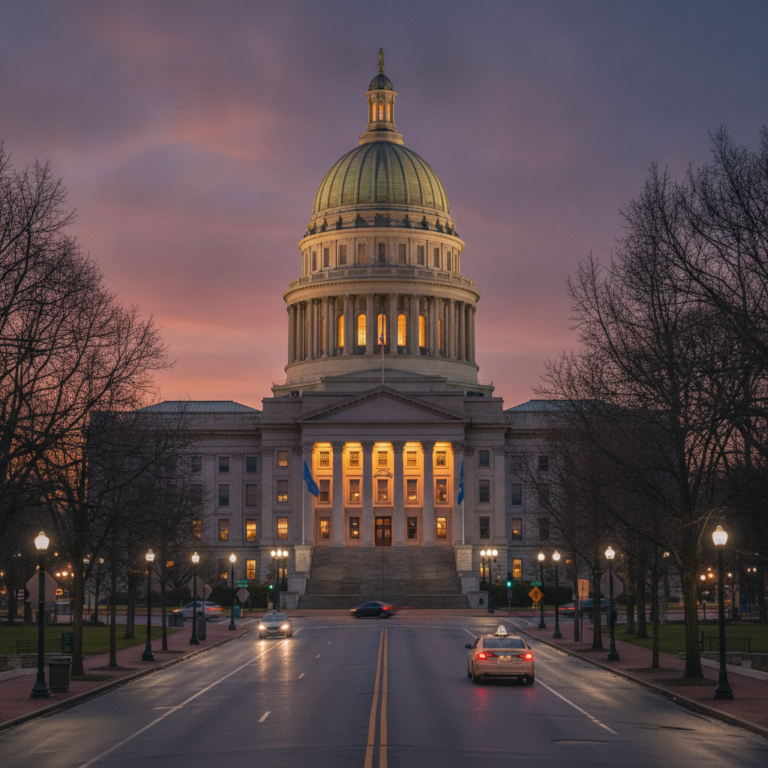
The Supreme Court has continued to issue emergency orders in cases related to executive power and public policy disputes, a practice often referred to as the “shadow docket.” These orders, which are typically decided quickly and without full briefing or oral argument, have drawn increased attention for their role in shaping government authority and addressing questions of election and regulatory policy.
Recent legal analysis indicates that the use of these emergency orders keeps significant disputes concerning federal executive authority and election rules under ongoing judicial review. The nature of these swift decisions means they can have immediate, albeit sometimes temporary, effects on the implementation of federal policies and the administration of elections.
The broader implications of these rulings often touch upon the framework within which all levels of government operate, from federal agencies to state and local entities. While the specific cases heard on the Supreme Court’s emergency docket vary, their common thread is an impact on the scope of governmental power and the procedures governing public life.
### Why it matters in Clinton
The actions of the Supreme Court, even in cases that appear distant from daily life in Clinton, can have downstream effects on local governance and stability. Decisions concerning executive power or election rules at the federal level can influence the regulatory environment or the operational guidelines that the City of Clinton or Laurens County School District 56 must navigate. For instance, clarity or ambiguity in federal regulations can impact grant funding, compliance requirements, or even the administration of local elections, which rely on a stable legal framework. The ongoing review of these fundamental governmental authorities by the Supreme Court underscores the interconnectedness of federal judicial actions with the practical realities faced by institutions and residents in Clinton.