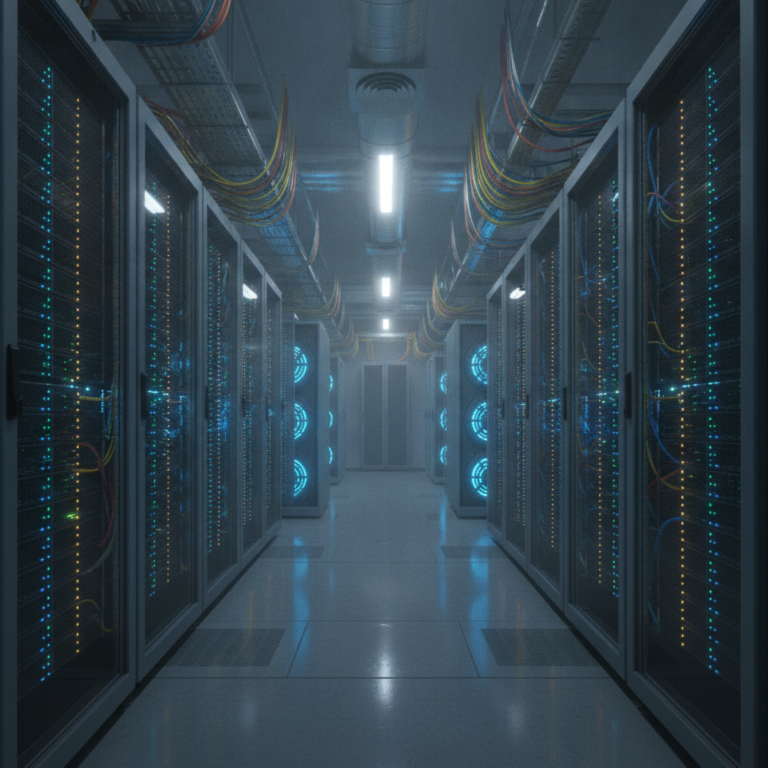
The burgeoning demand for artificial intelligence capabilities worldwide is creating significant pressure on the supply chains for critical technology components, particularly high-bandwidth memory and storage chips. This global trend, driven by the rapid expansion of AI data centers and advanced computing systems, is beginning to ripple through the consumer electronics market, potentially influencing the prices of devices that residents of Clinton purchase. Industry analysts and technology outlets are observing a tightening in the availability of these essential components, which are fundamental to the operation of everything from the latest smartphones to personal computers and gaming consoles.
At the core of this shift is the insatiable appetite of AI models for processing power and data storage. Training and running sophisticated AI algorithms, such as those used in large language models or advanced image recognition, requires immense quantities of specialized memory. These memory modules, often referred to as High Bandwidth Memory (HBM) or advanced DRAM (Dynamic Random Access Memory), are designed for speed and efficiency in handling massive datasets. While these high-end components are primarily destined for enterprise-level AI servers, their production draws heavily on the same manufacturing resources and raw materials used to create the standard memory chips found in everyday consumer devices.
This diversion of manufacturing capacity towards premium AI-specific memory has a cascading effect. Manufacturers of consumer electronics, who rely on a steady supply of standard DRAM and NAND flash storage, may find themselves competing for fewer available components. This increased competition, coupled with the high demand from the AI sector, can lead to elevated component costs for device makers. These increased costs are then often passed on to consumers in the form of higher retail prices for finished products. For example, a new smartphone or laptop purchased in Clinton could reflect these global supply dynamics.
The impact extends across a broad spectrum of consumer technology. Gaming consoles, which increasingly feature advanced graphics and processing capabilities that benefit from robust memory, could see their production costs rise. Similarly, personal computers, particularly those marketed for gaming or professional content creation, are heavily dependent on both DRAM and solid-state drives (SSDs) for storage. As the market for these components tightens, the cost of upgrading or purchasing new desktop and laptop computers may climb. Even more ubiquitous devices like tablets and smart home gadgets, which incorporate various forms of memory and storage, are not immune to these underlying market forces.
Technology and business publications have highlighted that while the direct impact on any single device’s price can vary, the overall trend points towards a period of potential price pressure. This is not to suggest guaranteed price hikes on specific items in Clinton stores, but rather an acknowledgment of the economic forces at play in the global semiconductor industry. Consumers planning to purchase new electronics in the coming months may encounter prices that reflect these broader supply-chain challenges. The situation underscores the interconnectedness of the global technology market, where innovations in one sector, like AI, can have far-reaching implications for others.
The complexity of semiconductor manufacturing means that increasing production capacity for memory chips is a capital-intensive and time-consuming process. Building new fabrication plants, or “fabs,” requires billions of dollars and several years to become fully operational. This inherent lag in supply response means that the current demand surge from AI is likely to persist for some time, maintaining pressure on memory and storage component markets. This sustained demand environment suggests that the potential for elevated consumer device prices is not a short-term anomaly but a trend that could endure.
For consumers in Clinton, understanding these market dynamics can inform purchasing decisions. While specific local retailers or online platforms may offer varying prices, the underlying cost of components is a global constant. The trend highlights how advancements in cutting-edge fields like artificial intelligence, while promising transformative benefits, also create economic ripple effects that touch everyday household budgets.
### Why it matters in Clinton
The potential for rising consumer electronics prices, driven by global AI memory demand, holds relevance for many in Clinton. Students at Presbyterian College, for instance, frequently rely on up-to-date laptops and tablets for their coursework and research, making the cost of these essential tools a direct concern. Similarly, professionals working at institutions like Laurens County Health Care System or City of Clinton offices often require reliable and powerful computing devices, and any upward pressure on prices could impact departmental budgets or individual purchasing decisions. Local small businesses, which depend on a range of technology to operate efficiently, may also find their equipment upgrade cycles affected. This global technological shift illustrates how macro-economic forces can directly influence the financial considerations of individuals, families, and institutions across Clinton.