The escalating global demand for specialized memory and storage components essential for artificial intelligence applications has begun to significantly impact the prices of consumer technology, including popular gaming consoles and personal computers. Tech firms worldwide are attributing recent price hikes to the intense competition for these high-performance parts.
Reports indicate that the cost of Xbox consoles has risen by as much as $150, a direct consequence of the increased expenses associated with memory and storage components. This trend is not isolated to gaming hardware; major technology companies like Microsoft and Apple have also seen price increases tied to a broader shortage of AI-related chips across the industry.
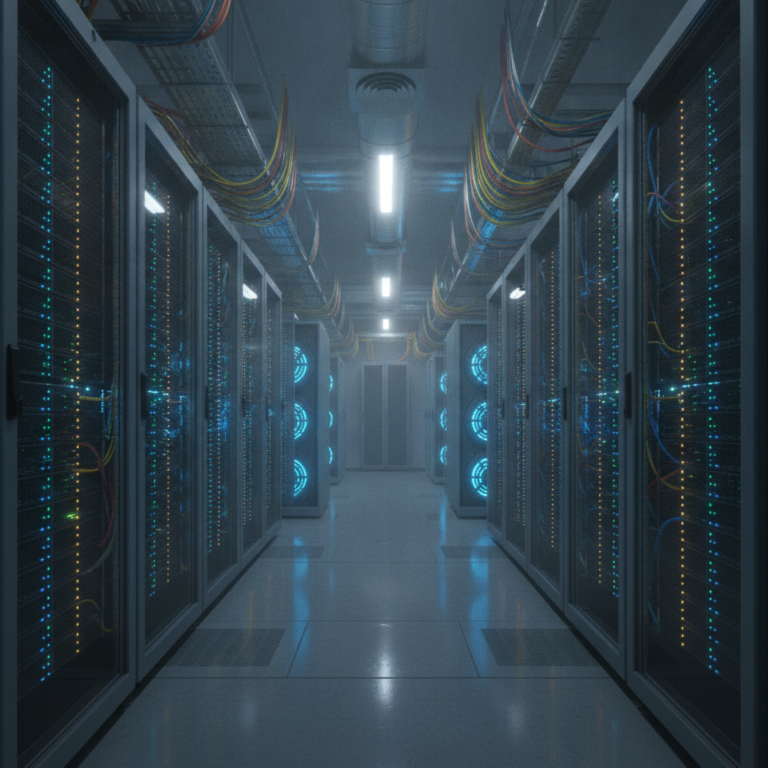
The surge in demand for AI-specific hardware stems from the rapid expansion of artificial intelligence technologies, which require vast amounts of processing power and high-speed memory to train complex models and perform sophisticated tasks. This unprecedented need is creating a bottleneck in the supply chain, driving up the cost of components that are also critical for everyday consumer devices.
For consumers, these market dynamics translate directly into higher retail prices for new electronics. Whether upgrading a home computer, purchasing a new tablet, or investing in a gaming system, individuals are encountering elevated costs compared to previous years. The ripple effect extends beyond individual purchases, influencing the procurement strategies of larger organizations that rely heavily on technology.
This global economic shift underscores the interconnectedness of the modern tech market, where innovations in one sector can quickly influence the accessibility and affordability of products across the entire spectrum of consumer electronics. As AI development continues its rapid pace, analysts suggest that pressure on component pricing may persist, potentially reshaping consumer spending habits and technology adoption rates in communities like Clinton.
### Why it matters in Clinton
The rising costs of consumer technology due to AI memory demand have tangible implications for Clinton. Institutions such as Presbyterian College and Laurens County School District 56, both significant employers and pillars of the community, regularly procure computers, servers, and other electronic devices for educational and administrative purposes. Increased prices for these essential components could strain their technology budgets, potentially impacting planned upgrades, student access to modern equipment, or the overall cost of maintaining their digital infrastructure. For households in Clinton, the higher price tags on PCs and gaming consoles mean a greater financial outlay for leisure, education, or work-from-home setups, affecting discretionary spending and access to contemporary digital tools.