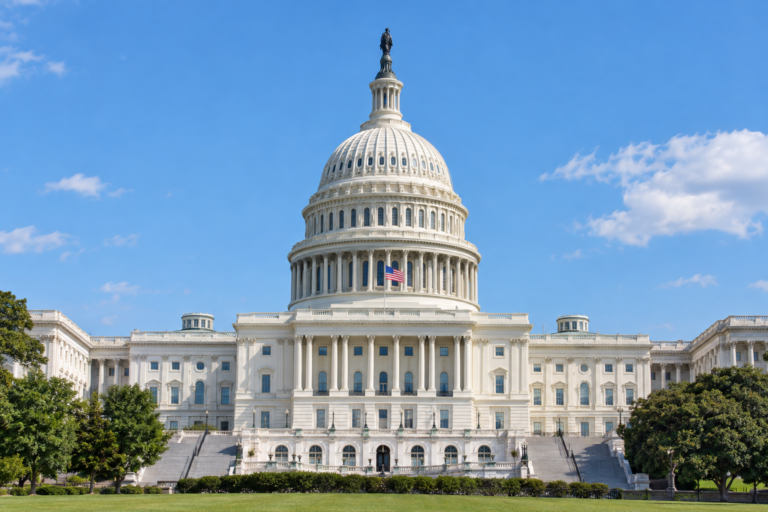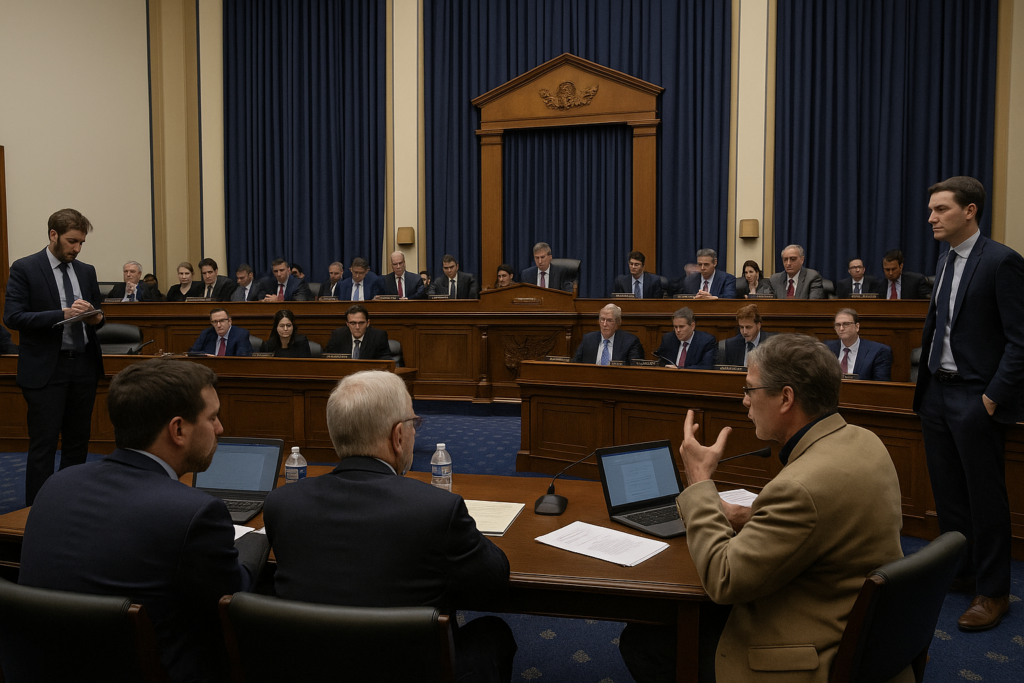
Lawmakers returned to Capitol Hill this week to engage in a heated debate centered on the financial implications and authorization of the ongoing conflict in Iran. The Pentagon has requested approximately $80 billion, primarily to cover the costs associated with the military campaign in the region. This request has sparked significant scrutiny among members of Congress, who are questioning whether the military actions have been adequately authorized and whether they align with U.S. strategic interests.
The discussions come at a critical juncture, as senators from both parties are demanding more comprehensive briefings regarding the emerging U.S.-Iran framework and the administration’s next steps. The political stakes are high, encompassing issues of war powers, appropriations, sanctions policy, and oversight of any final agreements that may arise from the conflict.
This debate is not merely about finances; it touches on the broader question of congressional authority in military matters. Lawmakers are concerned that the administration has not sufficiently checked the military campaign, raising alarms about the potential for unchecked executive power in matters of war.
As the debate unfolds, the implications for U.S. foreign policy and military strategy are significant. With the Pentagon’s request for funding, Congress faces pressure to balance fiscal responsibility with national security needs. The scrutiny of the Iran conflict reflects a growing bipartisan concern regarding the direction of U.S. military involvement abroad and the need for clearer oversight mechanisms.
In Clinton, the discussions in Washington resonate with local officials and residents who are keenly aware of the implications of federal military spending on domestic priorities. The ongoing debates in Congress may influence local budgeting decisions, particularly in areas heavily reliant on federal funding, such as education and health services. As the city navigates its own fiscal challenges, the outcomes of these discussions could have a direct impact on local institutions, including Presbyterian College and the Laurens County Health Care System.
As lawmakers continue to grapple with the complexities of the Iran conflict, the focus remains on ensuring that any military actions are both authorized and aligned with U.S. strategic interests. The outcome of these discussions will likely shape not only the future of U.S. foreign policy but also the fiscal landscape for communities like Clinton, where federal funding plays a crucial role in supporting local services and institutions.