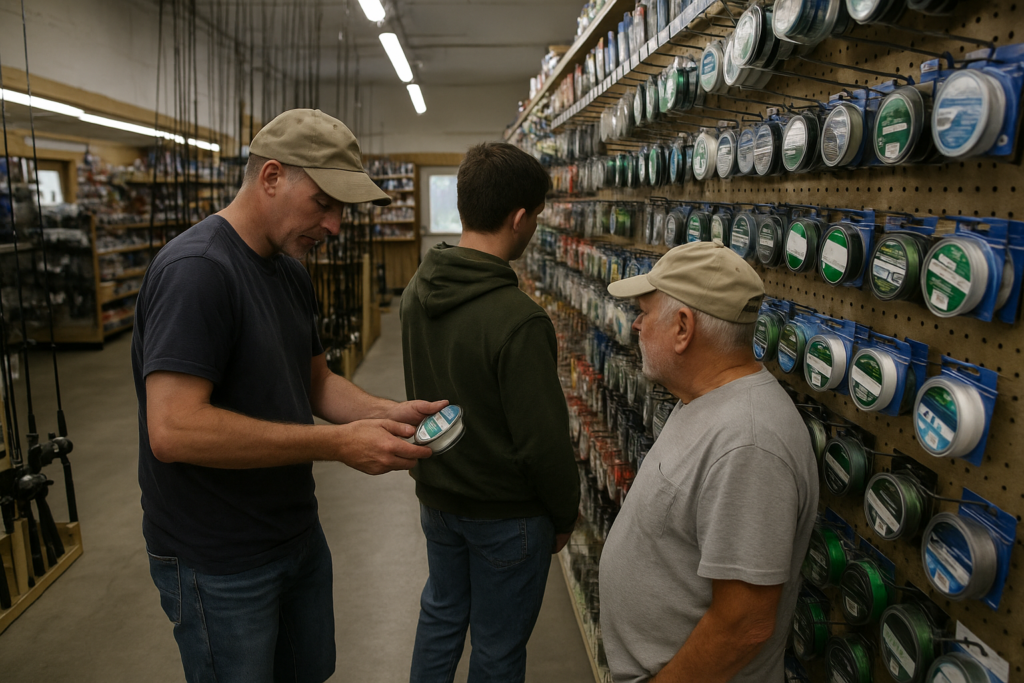
When it comes to fishing in Clinton’s abundant lakes and rivers, selecting the right fishing line is crucial for success. Local anglers often find themselves choosing between three primary types of fishing lines: braided, fluorocarbon, and monofilament. Each type has its unique characteristics and advantages, making it essential to match your line choice to specific fishing conditions and target species.
Monofilament Line
Monofilament is a popular choice among beginners and seasoned anglers alike. This type of line is known for its forgiving nature, making it easier to handle and knot. It floats, which can be advantageous for certain presentations, such as topwater lures. Additionally, monofilament offers good stretch, which can help absorb the shock when a fish strikes. However, it is more visible in the water compared to fluorocarbon, which can be a disadvantage in clear conditions.
Fluorocarbon Line
Fluorocarbon line is less visible underwater, making it an excellent choice for fishing in clear waters around Clinton, especially in spots like Lake Greenwood or the Enoree River. This line sinks, which is beneficial for subsurface presentations. Anglers often use fluorocarbon as a leader material when fishing with braided line, as it provides stealth and sensitivity. Its rigidity can make it less forgiving than monofilament, but its low visibility can lead to more bites in cautious fish.
Braided Line
Braided line is known for its strength and sensitivity. It has a smaller diameter compared to monofilament and fluorocarbon, allowing anglers to spool more line onto their reels. This type of line is particularly effective for fishing in heavy cover, where its strength is an advantage. However, braided line is often more visible in the water, prompting many anglers to use a fluorocarbon leader to reduce visibility. In Clinton’s various fishing spots, such as the Duncan Creek Reservoir or Reedy Creek Pond, braided line can be a game-changer when targeting larger species that require a robust line.
Matching Line to Conditions
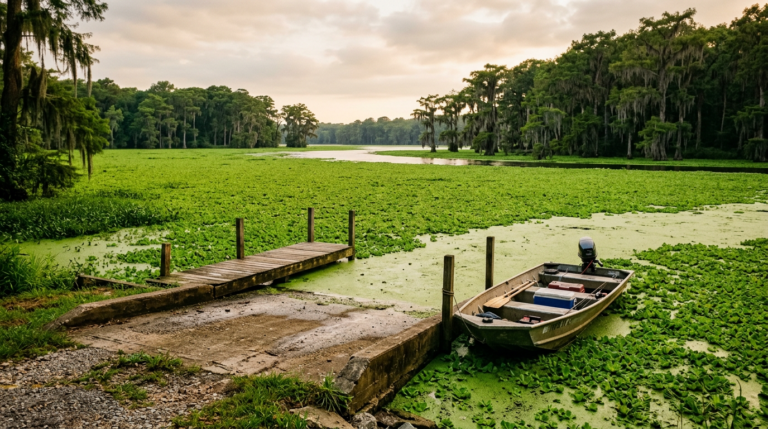
Choosing the right fishing line is not just about personal preference; it involves understanding the specific conditions you will be fishing in. Factors such as water clarity, cover type, and target species play a significant role in line selection. For example, if you are fishing in the clear waters of Lake Rabon, fluorocarbon may be your best bet. Conversely, if you are casting in areas with dense vegetation, braided line could provide the strength needed to land a fish without breaking.
Conclusion
In Clinton, where fishing is a beloved pastime, understanding the nuances of fishing line can significantly impact your success on the water. Whether you choose monofilament for its ease of use, fluorocarbon for its invisibility, or braided line for its strength, each option has its place in an angler’s tackle box. As you prepare for your next fishing trip, consider the specific conditions and target species to make the most informed decision about your line choice.