

How to Choose the Right Roof System to Match Your Home’s Architectural Style
Selecting the right roofing system is a crucial decision for homeowners. It impacts both the aesthetic appeal and the overall functionality of a property. Navigating the options can feel overwhelming, especially when you consider the myriad styles and materials available. Here, we’ll guide you through the essential factors to consider when choosing a roofing system that complements your home’s architectural style.
Understanding Architectural Styles
Traditional Styles
Homes with traditional architecture, such as Colonial or Cape Cod styles, typically prioritize symmetry and classic materials. Roofs for these homes often feature gable designs or hipped roofs. Common materials include:
- Asphalt Shingles
- Wood Shakes
- Slate Tiles
When selecting a roof for traditional homes, consider durability and timelessness. Asphalt shingles offer affordability and versatility, while slate tiles provide a luxurious look.
Modern and Contemporary Styles
Modern architecture embraces minimalism, clean lines, and innovative materials. Roofs often reflect these principles with flat or low-slope designs. Suitable materials include:
- Metal Roofing
- EPDM (Ethylene Propylene Diene Monomer)
- Built-Up Roofing
For modern homes, consider materials like metal, known for its sleek appearance and sustainability. Additionally, flat roofs can be beneficial for maximizing outdoor space.
Victorian and Gothic Styles
Victorian homes are characterized by intricate details and elaborate designs. Roofs often include steep slopes, gables, and decorative elements. Common roofing materials are:
- Ceramic Tiles
- Asphalt Shingles
- Wood Shakes
For these styles, choose a roof that enhances the ornamentation of the home. Ceramic tiles can provide a classic touch, whereas wood shakes may add a natural element.
Rustic and Country Styles
Rustic architecture reflects a connection to nature, often using reclaimed or natural materials. Roof styles tend to be simple, featuring gables or barn roofs. Suitable materials include:
- Metal Roofing
- Wood Shingles or Shakes
- Thatch
Metal roofs blend well with rustic styles due to their durability and range of color options. Wood shingles can emphasize the natural feel of the home.
Materials Matter
The choice of roofing material significantly affects both the style and functionality of a roof. Each material has its advantages, limitations, and aesthetic qualities. Here’s a closer look at some of the most common roofing materials:
Asphalt Shingles
Asphalt shingles are the most popular roofing choice in North America. They are cost-effective, easy to install, and offer a variety of styles. Best suited for traditional and modern designs, their lifespan ranges from 15 to 30 years.
Metal Roofing
Metal roofing is increasingly favored for its sleek appearance and longevity. It can fit well with modern, rustic, and even traditional homes, often lasting 40 years or more. Additionally, it reflects heat, contributing to energy efficiency.
Wood Shingles and Shakes
Wood shingles and shakes provide a charming, natural look, making them ideal for rustic, Victorian, and some traditional styles. Lifespan can be up to 30 years, but they require more maintenance and are vulnerable to moisture.
Slate Tiles
Slate is a premium choice that exudes elegance, making it suitable for upscale traditional and Victorian homes. It is incredibly durable, lasting over 100 years, but comes at a higher price point and requires skilled installation.
Tile Roofing
Tile roofs are commonly seen in Mediterranean and Spanish revival architectures. They’re made from clay or concrete and can last 50 years or more. Their distinctive style enhances curb appeal, but they are heavier and may require additional structural support.
Local Climate Considerations
The climate in your area plays a vital role in your roofing choice. Different materials perform differently under various weather conditions:
Heavy Rainfall or Snow
If you live in an area with significant rainfall or snow, consider materials that handle moisture well, such as slate or metal. Steeply pitched roofs can also facilitate drainage.
Heat and Humidity
In hot and humid climates, opt for materials with high thermal resistance, such as metal or tile. These materials reflect sunlight and contribute to energy efficiency by keeping homes cooler.
Windy Areas
For locations prone to high winds, a durable roofing material like metal or high-quality asphalt shingles may be essential. Ensure proper installation techniques to minimize wind damage.
Roof Color and Texture
The color and texture of your roof can significantly influence the overall aesthetic of your home. Here are some points to consider:
Color
Choose colors that harmonize with your home’s facade. Lighter colors tend to deflect sunlight, making them a good choice for warmer climates. Conversely, darker colors can absorb heat, which might be beneficial in colder regions.
Texture
The texture of the roofing material also contributes to the visual landscape of the home. Smooth surfaces introduce a modern feel, whereas textured materials can enhance traditional or rustic aesthetics.
Architectural Features
Your roof should complement other architectural features of your home. Pay attention to the following:
Architectural Elements
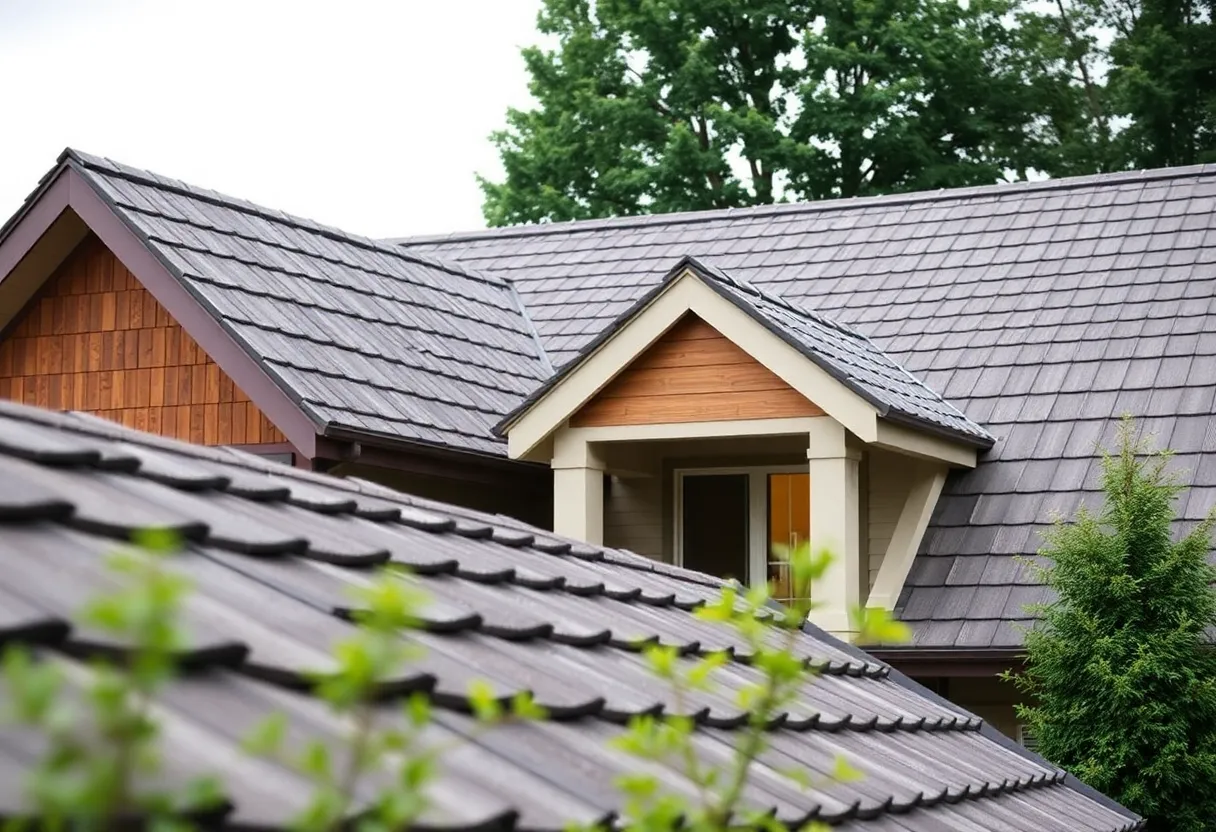
Gables, dormers, and chimneys can influence your roofing choice. Ensure the roofing system aligns with these features. A complex system may require advanced materials and specialized installation techniques.
Existing Roofs
If you’re replacing an existing roof, consider maintaining a similar style for continuity. However, if your home has undergone significant renovations, this may be an opportunity to explore new designs.
Consulting with Professionals
Engaging a roofing professional can provide valuable insights. They can assess your home’s architectural style, local climate, and specific needs to help guide your decisions. Key factors to discuss include:
- Material suitability
- Cost and budget considerations
- Installation options and timelines
Additionally, a professional can ensure that your new roof meets local building codes and regulations.
Conclusion
Choosing the right roofing system involves a comprehensive understanding of your home’s architectural style, local climate conditions, and personal preferences. By considering key elements such as material options, colors, and textures, you can make an informed decision that enhances both the aesthetics and functionality of your home. Consulting with roofing experts further ensures that your choice aligns with best practices and local codes, leading to a successful roofing project.
Your roof is an essential aspect of your home. Take the time to choose a system that truly complements your property and meets your unique needs.

 Mays Contracting