

European Union, September 16, 2025
News Summary
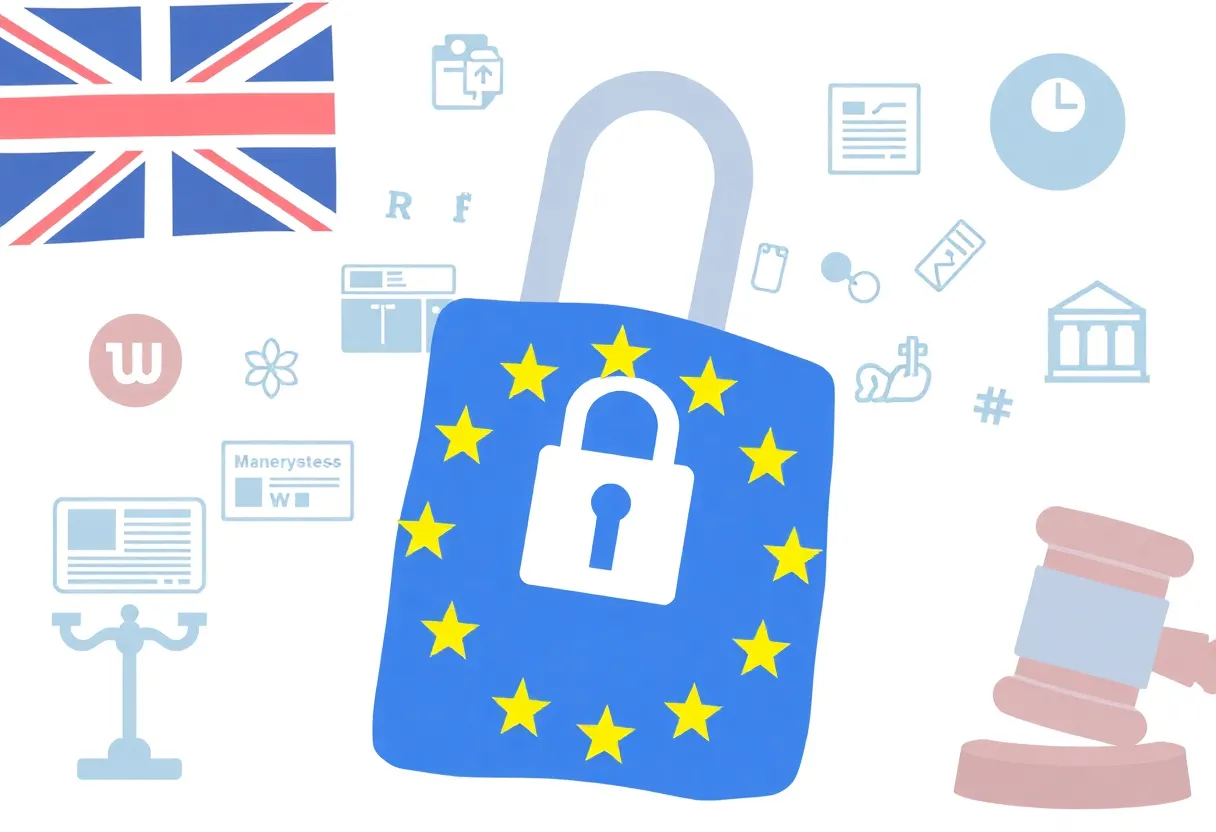
Several major U.S. news websites, including the Chicago Tribune and LA Times, have become temporarily inaccessible to European users due to GDPR regulations. These regulations, implemented to protect personal data privacy, require explicit user consent for data processing. Companies like Tronc and Lee Enterprises have announced they will remain offline in many European nations while exploring compliance solutions. Meanwhile, other outlets, including CNN and the New York Times, continue to operate in Europe, highlighting varying responses to GDPR challenges among U.S. media.
City: European Union
Several prominent U.S. news websites, including the Chicago Tribune and the LA Times, have become temporarily inaccessible to users in most European countries due to the enforcement of the General Data Protection Regulation (GDPR). This regulation, aiming to protect EU citizens’ personal data privacy, went fully into effect in May 2018 and has begun to significantly impact how companies operate in the European market.
GDPR requires businesses to have a lawful basis for processing personal data, which includes obtaining explicit consent from users. This law introduces six legal bases for processing data, ensuring companies must indicate clear purposes for their data collection practices. Following GDPR’s enforcement, privacy advocacy organizations have raised concerns about whether major tech companies, including Facebook and Google, have been complying, alleging coercive practices in data consent acquisitions.
News websites owned by companies such as Tronc and Lee Enterprises are particularly affected by this regulation. Tronc operates several well-known publications, including the New York Daily News and the Baltimore Sun, and has announced that its sites will remain unavailable in many European nations while they explore compliance solutions. Lee Enterprises, which manages 46 daily newspapers across 21 states, has also expressed apologies to its European readership for the temporary inaccessibility of its websites.
In contrast, several other major news outlets, including CNN and the New York Times, continue to be accessible to European users. Other sites, such as the Washington Post and Time, require EU visitors to accept new terms and conditions to access their content. This discrepancy among U.S. media outlets highlights the varying responses to GDPR compliance challenges.
As stated in GDPR, firms failing to comply with the regulations face significant penalties, with fines reaching as much as €20 million or 4% of a company’s global revenue. The GDPR grants EU citizens the right to access their personal data and request its deletion, and mandates that companies proactively notify users of any data breaches within 72 hours. Additionally, supervisory authorities are established across EU member states to ensure compliance.
Andrea Jelinek, the newly appointed chairwoman of the European Data Protection Board, anticipates that action will soon be taken against companies that do not adhere to GDPR guidelines. Furthermore, Ireland’s data regulator has indicated that they are prepared to respond to violations of these rules, indicating heightened regulatory scrutiny on the way major tech firms handle user data.
Following the enactment of GDPR, numerous companies have ramped up their communications with consumers, triggering a surge in privacy policy updates and requests for explicit data consent. In some instances, U.S. entities have chosen to temporarily halt their European operations in order to avoid inadvertently contravening GDPR requirements.
Concerns regarding personal data collection practices of major technology companies have grown significantly, especially in light of recent legislative inquiries. This scrutiny, including extensive questioning of tech leaders like Mark Zuckerberg by EU lawmakers, indicates a push towards greater accountability in data management in the digital age.
FAQ Section
What is GDPR?
The General Data Protection Regulation (GDPR) is a comprehensive data protection law in the European Union that grants EU citizens control over their personal information and mandates that companies have a lawful basis to process such data.
Which U.S. news websites are currently unavailable in Europe?
Major U.S. news websites such as the Chicago Tribune and the LA Times are currently inaccessible to users in many European countries.
What must companies do to comply with GDPR?
Companies need to obtain explicit consent from users, indicate specific purposes for data collection, notify users of data breaches within 72 hours, and comply with regulations set forth by supervisory authorities in EU member states.
What happens if companies fail to comply with GDPR?
Firms that do not comply with GDPR can face fines of up to €20 million or 4% of their global turnover, depending on the severity of the violation.
Why are some U.S. news sites still accessible in Europe?
Some news outlets, like CNN and the New York Times, have developed compliant systems allowing them to continue operation in Europe, while others are currently in the process of assessing their compliance strategies.
Key Features of GDPR and Its Impact
| Feature | Description |
|---|---|
| Enhanced User Rights | EU citizens can access their data, request its deletion, and require explicit consent for collection. |
| Strict Penalties | Fines can reach up to €20 million or 4% of global turnover for non-compliance. |
| Business Impact | Some companies are temporarily halting operations in the EU to avoid violations. |
| Compliance Obligations | Companies must find lawful bases for processing data and report data breaches within 72 hours. |
| Increased Scrutiny | Major tech firms are under heightened scrutiny regarding data practices. |
Deeper Dive: News & Info About This Topic
HERE Resources
GDPR Impact: Major U.S. Media Companies Restrict Access in Europe
Additional Resources
- The New York Times: GDPR and its impact
- Wikipedia: General Data Protection Regulation
- BBC News: GDPR enforcement updates
- Vox: Understanding cookies and GDPR
- Qualys Blog: GDPR compliance and web app security