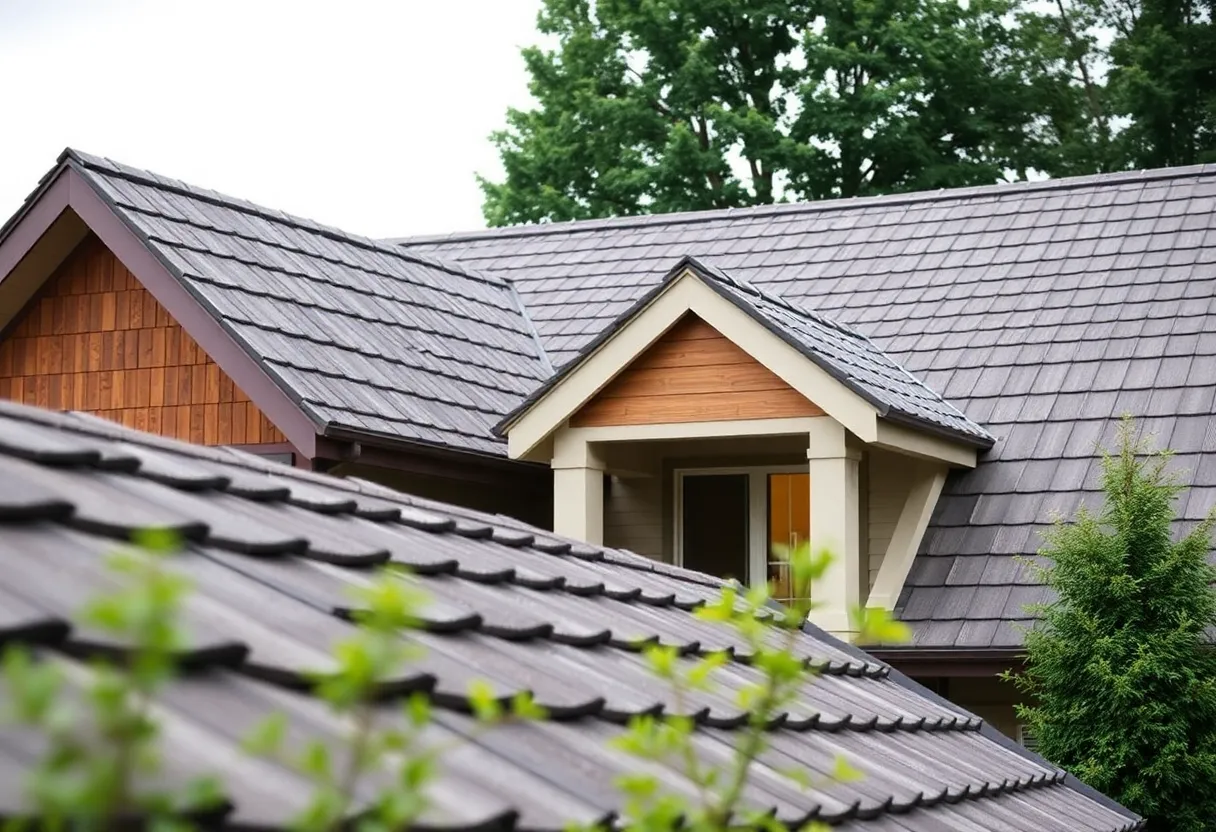

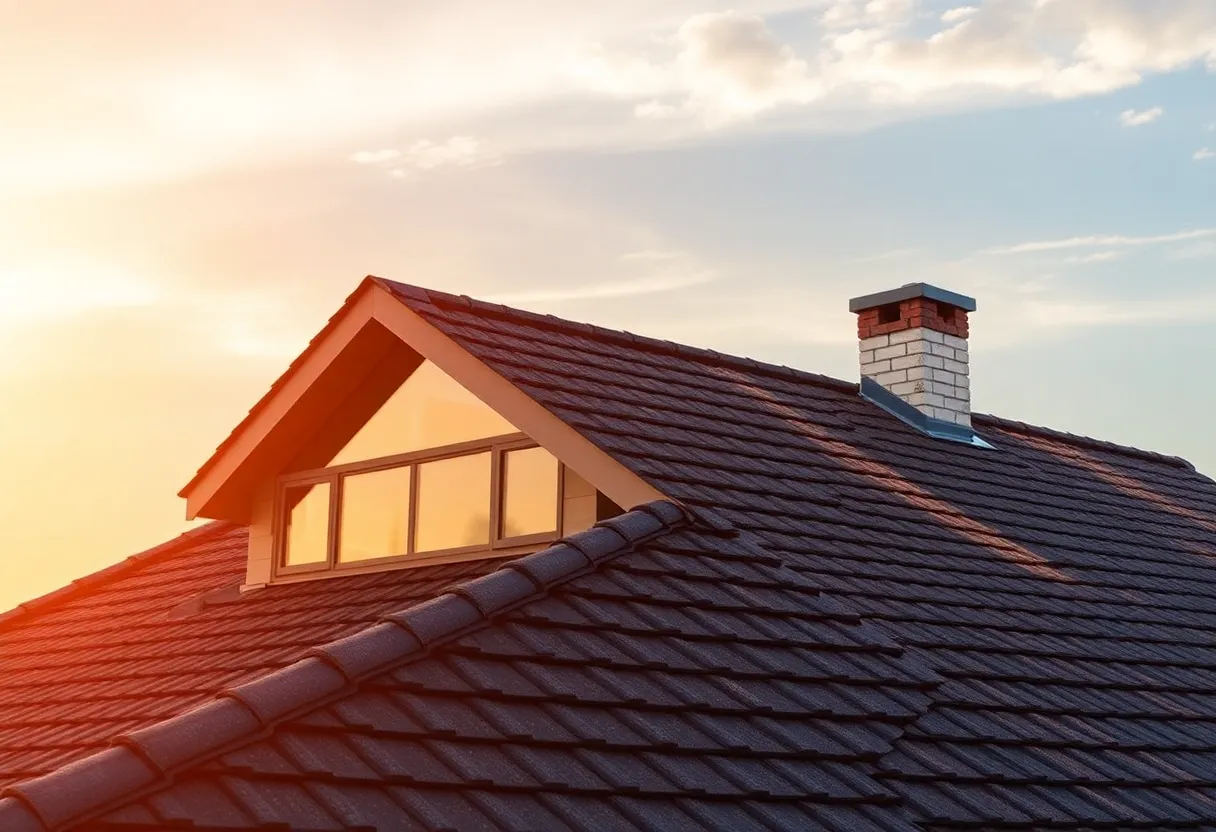
How to Choose the Best Roofing Options for Fire Resistance and Safety
Choosing the right roofing materials is crucial for fire resistance and safety. Understanding the options available allows homeowners, builders, and architects to make informed decisions that enhance the structural integrity of a building while minimizing fire hazards. This article provides a thorough overview of various roofing solutions, their fire resistance ratings, and practical considerations to aid in the selection process.
Understanding Fire Resistance Ratings
The first step in selecting a roofing material is to grasp fire resistance ratings. These ratings indicate how well a material can withstand exposure to fire. The most common ratings are:
- Class A: These materials offer the highest level of fire resistance and are effective against severe fire exposure. They can be used in all types of buildings.
- Class B: These materials provide moderate fire resistance. They can be suitable for some buildings, typically where fire safety standards permit them.
- Class C: These materials have the lowest fire resistance. They are often limited to specific applications where fire exposure is minimal.
Choosing Fire-Resistant Roofing Materials
A variety of roofing materials offer different levels of fire resistance. Each material comes with its own benefits and drawbacks that serve various aesthetic and functional needs.
1. Metal Roofing
Metal roofs, such as aluminum or steel, are excellent options for fire resistance. They are Class A rated, making them highly effective in preventing the spread of fire. Additionally, metal roofs are durable and can withstand extreme weather conditions, including high winds and hail. With proper installation, they can also be energy-efficient, reducing heating and cooling costs.
2. Slate Roofing
Slate is a natural stone and also achieves a Class A fire rating. It is incredibly durable, resistant to rot, and can last for a century or more. However, slate is heavy and might require additional structural support, potentially increasing installation costs.
3. Clay and Concrete Tiles
Clay and concrete tiles are commonly recognized for their aesthetic appeal and longevity. These materials are also rated Class A for fire resistance. They are non-combustible and can withstand high temperatures, making them suitable for areas prone to wildfires. However, they can be expensive and may necessitate more substantial roofing supports.
4. Asphalt Shingles
Asphalt shingles vary in their fire resistance. While standard asphalt shingles typically have a Class C rating, fire-resistant options are available that can achieve Class A status. Choosing fire-resistant asphalt shingles includes looking for those treated with fire retardant chemicals. While they are cost-effective, their lifespan is generally shorter than that of metal or tile roofs.
5. Wood Shingles and Shakes
Wood shingles have traditionally been used for their natural beauty. However, they are generally less fire-resistant, often falling into the Class C category. If wood roofing is preferred, consider treated wood products that meet Class B or Class A standards. Selecting treated wood enhances fire resistance, but it may still require more investment in maintenance due to potential rotting and insect damage.
6. Synthetic Roofing Materials
Synthetic roofing materials, made from rubber, plastic, or polymers, can mimic the appearance of traditional roofing materials while providing enhanced fire safety. Many synthetic options achieve a Class A rating and are lightweight, reducing structural load. They are also often designed to be more flexible and resistant to cracking than other materials.
Considerations Beyond Fire Resistance
While fire resistance is vital, other factors should also influence the decision-making process for roofing materials.
Climate and Weather Conditions
The local climate significantly impacts the selection of roofing materials. For instance, if the area is prone to heavy rains, such as typhoons or storms, low-slope roofs may require materials that can withstand water accumulation. In dry areas susceptible to wildfires, selecting a Class A roofing material would be crucial to meet fire safety standards.
Aesthetic Appeal
Beyond safety, the aesthetic qualities of roofing materials can enhance a property’s value. Homeowners should choose materials that complement their property’s architectural style while ensuring fire safety. Many fire-resistant materials come in various colors and textures, allowing homeowners to maintain visual appeal without sacrificing safety.
Building Codes and Regulations
Before making a final choice, it is essential to review local building codes and regulations. Many regions have specific requirements that dictate the types of materials that can be used, especially in areas with high fire risks. Consult local authorities or a building expert to ensure compliance with all relevant guidelines.
Installation and Maintenance
The installation and ongoing maintenance of roofing materials are equally important to ensure fire safety and longevity.
Professional Installation
Choosing a qualified contractor who specializes in fire-resistant roofing installations is essential for optimal performance. Poor installation can compromise the integrity of the roofing system, leading to increased fire risk. Hiring skilled professionals helps ensure that all safety standards are met, decreasing the likelihood of future complications.
Regular Maintenance
Regular inspections and maintenance of the roof play a critical role in preserving fire resistance. Homeowners should periodically check for damages, debris buildup, and any signs of wear. Over time, even fire-resistant materials may require maintenance to ensure they perform as expected.
Conclusion
Selecting the best roofing options for fire resistance and safety involves a multitude of factors. Homeowners and builders must pay close attention to fire resistance ratings, material durability, climatic considerations, aesthetic appeal, and compliance with local building codes. By making informed choices and ensuring proper installation and maintenance, individuals can significantly enhance their home’s protection against fire hazards while maintaining aesthetic integrity.
Ultimately, the cost of investing in fire-resistant materials and skilled installation pales in comparison to the potential risks and losses associated with fire. Take the necessary steps to safeguard your property, ensuring peace of mind for years to come.

Author: STAFF HERE CLINTON
The CLINTON STAFF WRITER represents the experienced team at HEREClinton.com, your go-to source for actionable local news and information in Clinton, Laurens County, and beyond. Specializing in "news you can use," we cover essential topics like product reviews for personal and business needs, local business directories, politics, real estate trends, neighborhood insights, and state news affecting the area—with deep expertise drawn from years of dedicated reporting and strong community input, including local press releases and business updates. We deliver top reporting on high-value events such as the Festival of Discovery, Clinton Community Day, and performances at the Whitten Center Amphitheater. Our coverage extends to key organizations like the Clinton Area Chamber of Commerce and the Laurens County Historical Society, plus leading businesses in manufacturing and education that power the local economy such as Milliken & Company and Presbyterian College. As part of the broader HERE network, including HEREAiken.com, HEREBeaufort.com, HEREChapin.com, HERECharleston.com, HEREClinton.com, HEREColumbia.com, HEREGeorgetown.com, HEREGreenwood.com, HEREGreenville.com, HEREHiltonHead.com, HEREIrmo.com, HEREMyrtleBeach.com, HERENewberry.com, HERERockHill.com, and HERESpartanburg.com, we provide comprehensive, credible insights into South Carolina's dynamic landscape.
 Mays Contracting