
How Do I Choose the Best Roofing Accessories for My DIY Project?
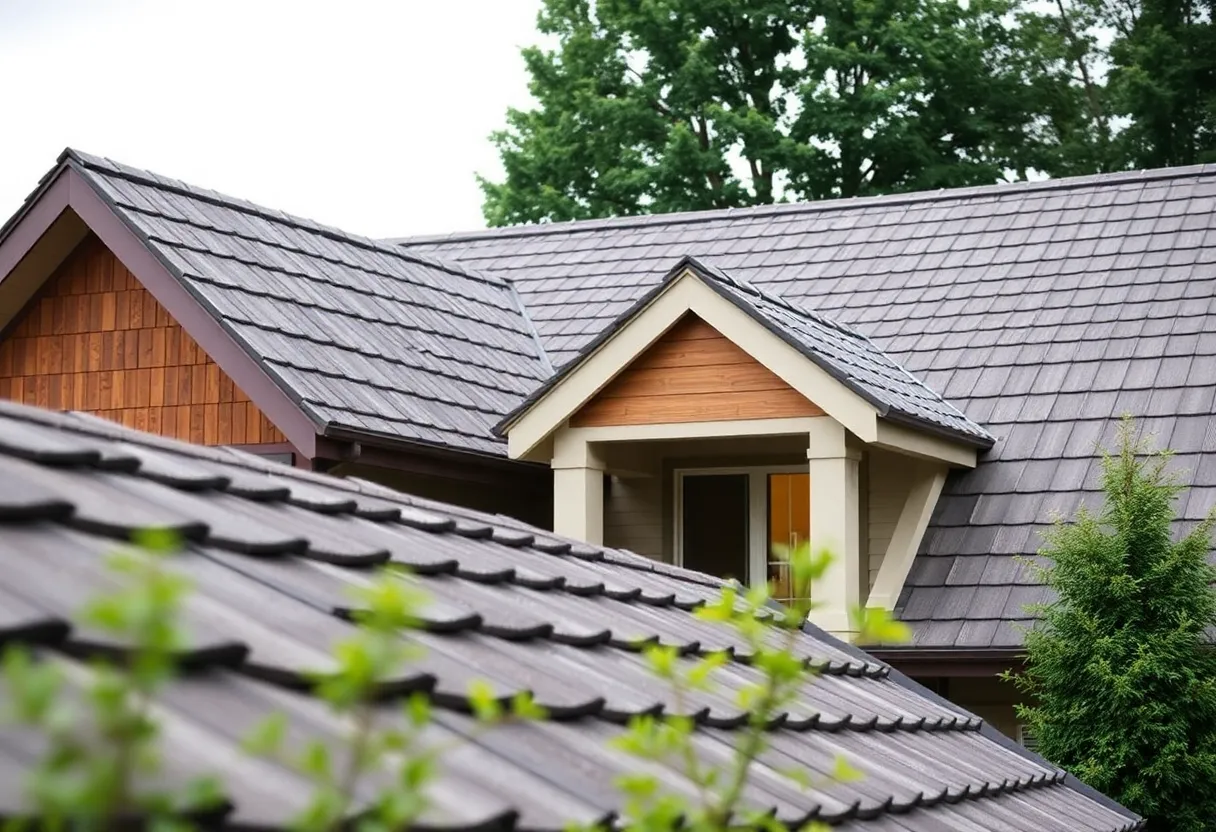
Selecting the right roofing accessories is a crucial aspect of any DIY project. The functionality, longevity, and aesthetic appeal of your roofing system largely depend on these accessories. Whether you’re replacing shingles, installing a new roof, or just making enhancements, using compatible and high-quality accessories is vital. This article provides a comprehensive guide to choosing the best roofing accessories for your DIY project.
Understanding Roofing Accessories
Roofing accessories are elements that complement the primary roofing material. They include items such as flashing, underlayment, ventilation components, nails and fasteners, drip edges, and ridge caps. Each of these accessories serves a specific purpose, ensuring your roofing system is durable and efficient.
The Importance of Choosing the Right Accessories
Making an informed choice regarding roofing accessories can affect the protection and performance of your roof. Inadequate or incompatible accessories can lead to leaks, moisture buildup, or other major issues that compromise your structure. Thus, it is essential to understand the different components and their roles.
Key Factors to Consider
1. Material Compatibility
When selecting roofing accessories, material compatibility should be your priority. Each roofing material—be it asphalt shingles, metal, tile, or wood—requires specific accessories designed to work optimally with it. For example, the nails for metal roofing differ from those used for asphalt shingles. Always check manufacturer guidelines for recommendations on compatible accessories.
2. Local Climate Conditions
Your geographical location impacts the selection of roofing accessories. Areas with heavy rainfall or snow may require stronger flashing and more robust ventilation systems. Conversely, hot climates might benefit from reflective materials. Consider local weather patterns and make decisions accordingly.
3. Building Codes and Regulations
It’s essential to comply with local building codes when selecting roofing accessories. These codes set minimum standards for safety and performance. Ensure that any roofing component you choose meets or exceeds these regulations, particularly if you plan to sell your property in the future.
Essential Roofing Accessories to Consider
1. Underlayment
Underlayment serves as the first line of defense against water infiltration. It adds another layer of protection beneath the roofing material. Options include felt, synthetic, and waterproof underlayments. Choose one that suits your climate and roofing requirements.
2. Flashing
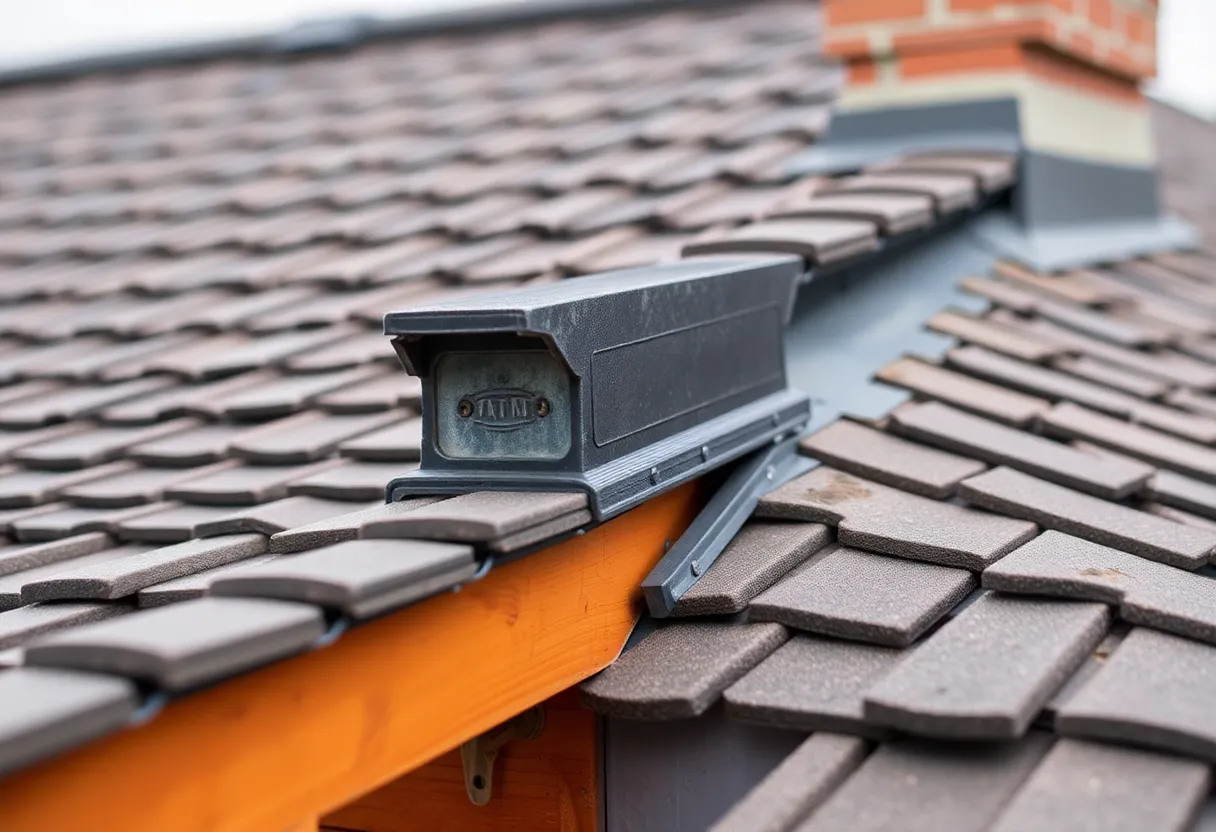
Flashing is a crucial accessory designed to direct water away from critical areas, such as chimneys, vents, and valleys. Available in various materials like aluminum, copper, or galvanized steel, selecting the right type ensures long-lasting protection from leaks.
3. Ventilation Systems
Proper ventilation is essential for preventing heat and moisture buildup in your attic space. Options include ridge vents, soffit vents, and gable vents. An effective ventilation system moderates roof temperature and enhances the lifespan of your roofing material.
4. Gutters and Downspouts
Gutters and downspouts channel water away from your roof and foundation. Standard materials include aluminum and vinyl. Opt for materials that are durable and match your roofing system. Ensure they are installed correctly for optimal drainage.
5. Drip Edges
A drip edge is a metal flashing installed at the roof’s edge to prevent water from seeping under the roof deck. It also helps guide water into the gutters. Make sure the drip edge material complements your roof style and is installed according to guidelines.
6. Ridge Caps
Ridge caps protect the peak of the roof and provide a finished look. They are available in various styles and materials, matching your primary roofing material. Ensure they are properly installed to prevent leaks.
Quality Over Price
While it might be tempting to opt for the cheapest roofing accessories, prioritizing quality is essential for the longevity and safety of your roofing system. High-quality accessories usually come with warranties and have proven track records regarding durability and performance. Evaluate products based on their material quality and manufacturer reputation.
Where to Purchase Roofing Accessories
1. Local Hardware Stores
Most local hardware stores stock common roofing accessories. Shopping locally allows you to physically assess the material and quality. It also enables you to ask staff for advice regarding the best options for your project.
2. Specialty Roofing Suppliers
Specialty roofing suppliers focus specifically on roofing products. They often carry a wider range of accessories, including specialized items hard to find elsewhere. Employees usually have extensive knowledge and can provide tailored recommendations.
3. Online Retailers
Online stores provide convenience and typically offer competitive pricing. However, be mindful to purchase from reputable sellers. Check customer reviews and product ratings before making a decision to ensure product quality.
Installation Tips
1. Follow Manufacturer Instructions
Adhere to the manufacturer’s installation guidelines for each accessory. Proper installation is critical for achieving the desired outcomes and avoiding potential issues.
2. Ensure Proper Measurements
Before purchasing, accurately measure all areas where accessories will be installed. Purchasing the right quantities will minimize waste and reduce costs.
3. Utilize the Right Tools
Using the correct tools during installation enhances accuracy and efficiency. Invest in high-quality tools tailored for roofing work, as they can make the process smoother and more effective.
4. Safety Precautions
Always prioritize safety when working on your roof. Use appropriate personal protective equipment, including safety harnesses, gloves, and non-slip footwear. Additionally, work during clear weather conditions to mitigate risks.
Conclusion
Selecting the right roofing accessories for your DIY project involves understanding requirements, material compatibility, and local conditions. Prioritizing quality, following installation guidelines, and adhering to safety precautions will significantly enhance the longevity and functionality of your roofing system. In the end, informed decisions will lead to a successful and aesthetically pleasing roofing project.

 Mays Contracting