
How to Choose the Right Roof Style for Your Personal Aesthetic and Functionality
Choosing a roof style is a critical decision that affects both the aesthetic appeal and functionality of your home. The roof is not merely a protective covering; it serves as an architectural focal point while influencing energy efficiency, maintenance, and longevity. In this article, we will delve into the various roof styles, their characteristics, and factors to consider when making your choice.
Understanding Roof Styles
Roof styles can broadly be categorized into several types, each with its unique features and benefits. Here’s a closer look at the most popular styles:
1. Gable Roof
The gable roof is one of the most common styles, characterized by two sloping sides that meet at a ridge. Its triangular shape promotes water drainage, making it ideal for regions with heavy rainfall or snow.
- Aesthetic Appeal: Creates a classic look; versatile in design.
- Functionality: Excellent drainage; easy to construct and repair.
2. Hip Roof
Hip roofs have slopes on all four sides, which converge at a ridge. This style offers better stability against strong winds compared to gable roofs.
- Aesthetic Appeal: Offers a more elegant appearance; suits many home designs.
- Functionality: Provides additional space for ventilation; excellent for areas prone to high winds.
3. Flat Roof
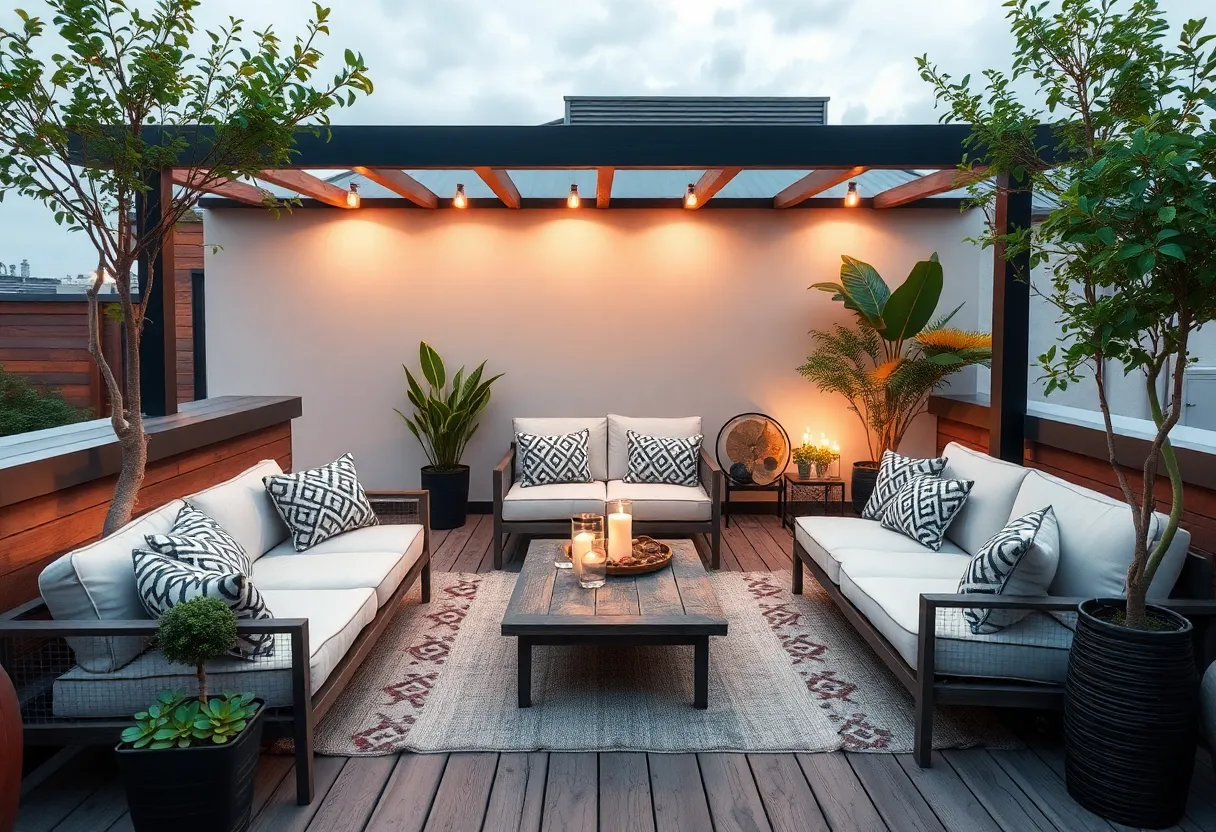
Flat roofs provide a modern, minimalist look and are commonly used in commercial buildings. They are characterized by a slight pitch for water drainage.
- Aesthetic Appeal: Clean lines; contemporary design that can support rooftop gardens.
- Functionality: Easier to install solar panels; efficient use of space.
4. Mansard Roof
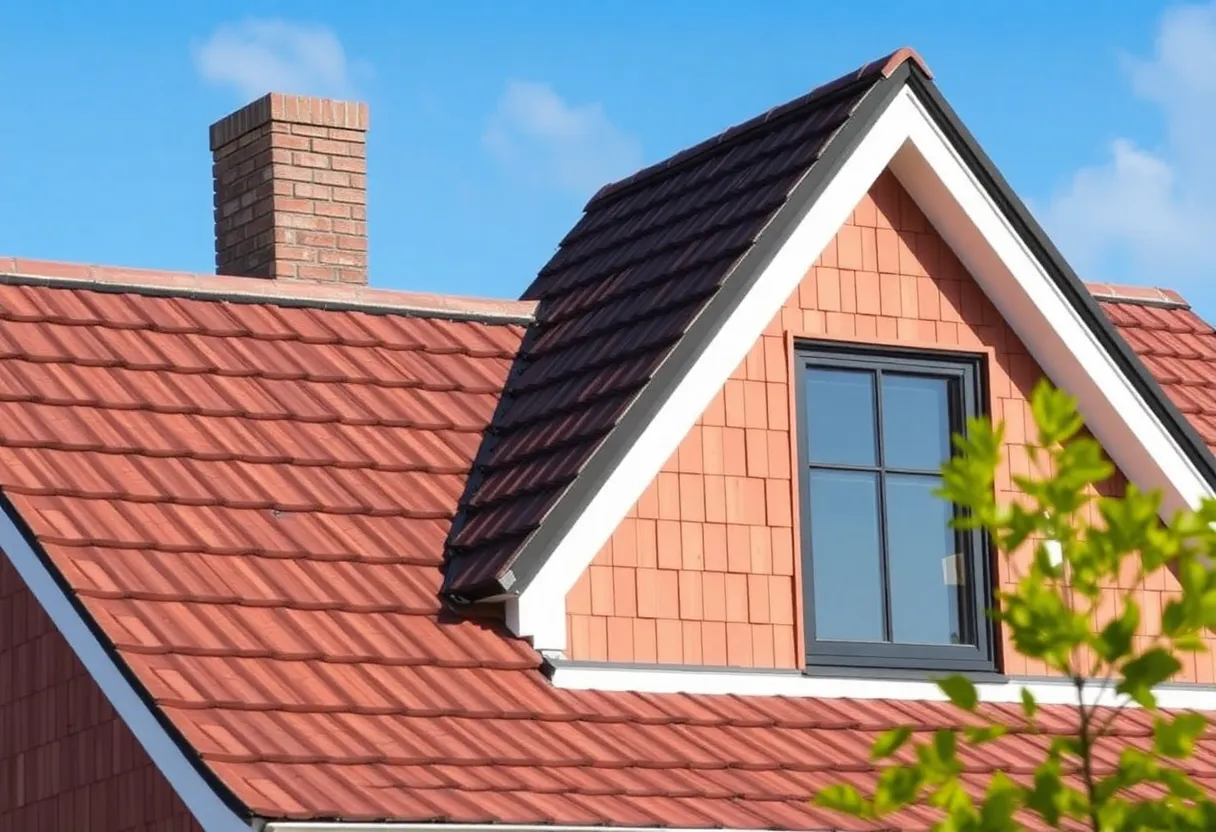
Mansard roofs feature slopes on all four sides, with a double slope on each side. This design allows for maximum living space in the attic.
- Aesthetic Appeal: Offers a historic charm; enhances height and volume.
- Functionality: Creates usable attic space; good for residential conversions.
5. Gambrel Roof
Often seen in barn styles, gambrel roofs have a symmetrical shape with two slopes on each side. This style maximizes interior space under the roof.
- Aesthetic Appeal: Gives a rustic, charming appearance; ideal for country-style homes.
- Functionality: Excellent for storage space; allows for easy drainage.
Factors Influencing Your Choice
When selecting a roof style, several factors come into play. Here are key considerations that will guide your decision.
1. Climate
Different roof styles perform better in various weather conditions. For example:
- Gable roofs are excellent in areas prone to snow, as they promote proper drainage.
- Hip roofs excel in windy regions due to their aerodynamic shape.
- Flat roofs may require more maintenance in areas with high rainfall.
2. Aesthetic Preferences
Your personal style and the overall architecture of your home should align. Different styles can influence the mood and visual appeal of your residence. Consider:
- Traditional homes often pair well with gable or mansard roofs.
- Modern designs benefit from flat or low-slope roofs.
- Rustic homes may find charm in gambrel or hip roofs.
3. Functionality and Space Utilization
Determine how you intend to use the space beneath the roof. Some roofs offer additional space for living areas or storage:
- Mansard roofs can provide expansive living areas, ideal for families needing more space.
- Gable and gambrel roofs can create useful attic space for storage.
4. Budget
Different roof styles come with varying construction and maintenance costs. Typically, more complex designs yield higher costs. You should consider the following:
- Flat roofs may require frequent waterproofing, adding to long-term costs.
- Gable roofs are relatively inexpensive to build.
Construction Materials
The choice of roofing material significantly impacts both aesthetic value and functionality. Here are some popular materials paired with roof styles:
1. Asphalt Shingles
Widely used for gable and hip roofs, asphalt shingles are budget-friendly and versatile. They come in various colors and styles, making them adaptable to several designs.
2. Metal Roofing
Metal roofs are durable and lightweight, suitable for flat and gable roofs. They reflect solar heat and can reduce cooling costs significantly.
3. Slate
Slate is a premium material often used in mansard or gambrel roofs. It offers remarkable longevity and a sophisticated look, but can be costly.
4. Tile
Tile roofs are ideal for homes in warm climates. They work well with Mediterranean or Spanish-style architecture but can be heavy, necessitating reinforced structures.
Working with Professionals
Choosing the right roof style can be complex. Consulting professionals can provide valuable insights based on experience and expertise. Follow these steps:
1. Hire a Qualified Roofer
Seek a licensed and insured roofing contractor. Review their portfolio for previous work and acquire references to ensure you’re making an informed choice.
2. Assess Structural Integrity
Before selecting a style, conduct a structural analysis of your home. The existing framework may dictate which styles are viable even if there are aesthetic preferences.
3. Consider Local Regulations
Check with your local zoning laws and homeowner association guidelines. Some areas have restrictions on roofing materials and styles that could impact your choice.
Maintenance Considerations
Different roof styles require varying levels of maintenance. Understanding the long-term implications of your choice is crucial. Key aspects include:
1. Lifespan of Materials
Research the expected lifespan of the materials you choose. For instance, metal roofs can last up to 50 years, while asphalt shingles are generally replaced every 20 years.
2. Seasonal Maintenance
Seasonal weather changes can affect roof performance. Gable roofs may require snow removal in winter, while flat roofs need regular checks for standing water.
3. Inspections and Repairs
Regular inspections highlight potential issues early, preventing costly repairs. Schedule routine checks after significant weather events.
Conclusion
Choosing the right roof style necessitates careful consideration of aesthetics, functionality, climate, and maintenance. The decision impacts not only the home’s appearance but also its performance in the long run. By analyzing the various styles, understanding your needs, and consulting with professionals, you can select a roof that harmonizes with your personal aesthetic while ensuring efficiency and longevity.

 Mays Contracting