
How Can You Effectively Optimize Your Roof for Maximum Energy Efficiency?
Introduction
Energy efficiency is increasingly becoming a priority for homeowners and builders alike. One often-overlooked aspect of a home’s energy profile is the roof. An optimized roof can have a significant impact on reducing energy costs, enhancing comfort, and promoting sustainability. This article delves into effective strategies to optimize your roof for maximum energy efficiency.
1. Select the Right Roofing Material
The type of roofing material plays a crucial role in energy efficiency. Certain materials reflect sunlight better than others, helping to keep homes cooler in the summer.
1.1 Cool Roofing
Cool roofing materials are designed to reflect more sunlight than traditional roofs. Choices like white or light-colored shingles, reflective metal roofing, or specially coated materials can significantly reduce heat absorption.
1.2 Insulation Properties
Some materials, such as metal and asphalt shingles, provide better insulation properties than others, like tiles. Investing in materials with high R-values™ helps minimize the amount of heat escaping during winter while maintaining a cooler environment in summer.
2. Ensure Proper Insulation
Insulation is fundamental when optimizing your roof for energy efficiency. Poor insulation leads to unwanted heat transfer, which can spike energy bills.
2.1 Types of Insulation
Consider using spray foam insulation, fiberglass batts, or rigid board insulation to fill gaps effectively. Rigid board insulation, for example, offers high insulation rates and can be custom-fitted for various roof types.
2.2 Ventilation Systems
Proper ventilation is essential to maintain optimal insulation performance. Ridge vents, soffit vents, and gable vents can help regulate temperature and humidity levels, preventing heat buildup that can deteriorate roofing materials over time.
3. Utilize Roof Coatings
Roof coatings can significantly impact energy conservation, providing an additional layer of protection and insulation.
3.1 Reflective Coatings
Applying reflective coatings can help reduce heat absorption. These coatings are particularly effective for flat or low-slope roofs, significantly lowering cooling costs by reflecting solar radiation away from the building.
3.2 Protective Sealants
Sealants help protect your roofing material from harsh weather conditions and prevent leaks. A robust sealant application can boost the lifespan of your roof while maximizing energy efficiency by minimizing repair needs.
4. Install Solar Panels
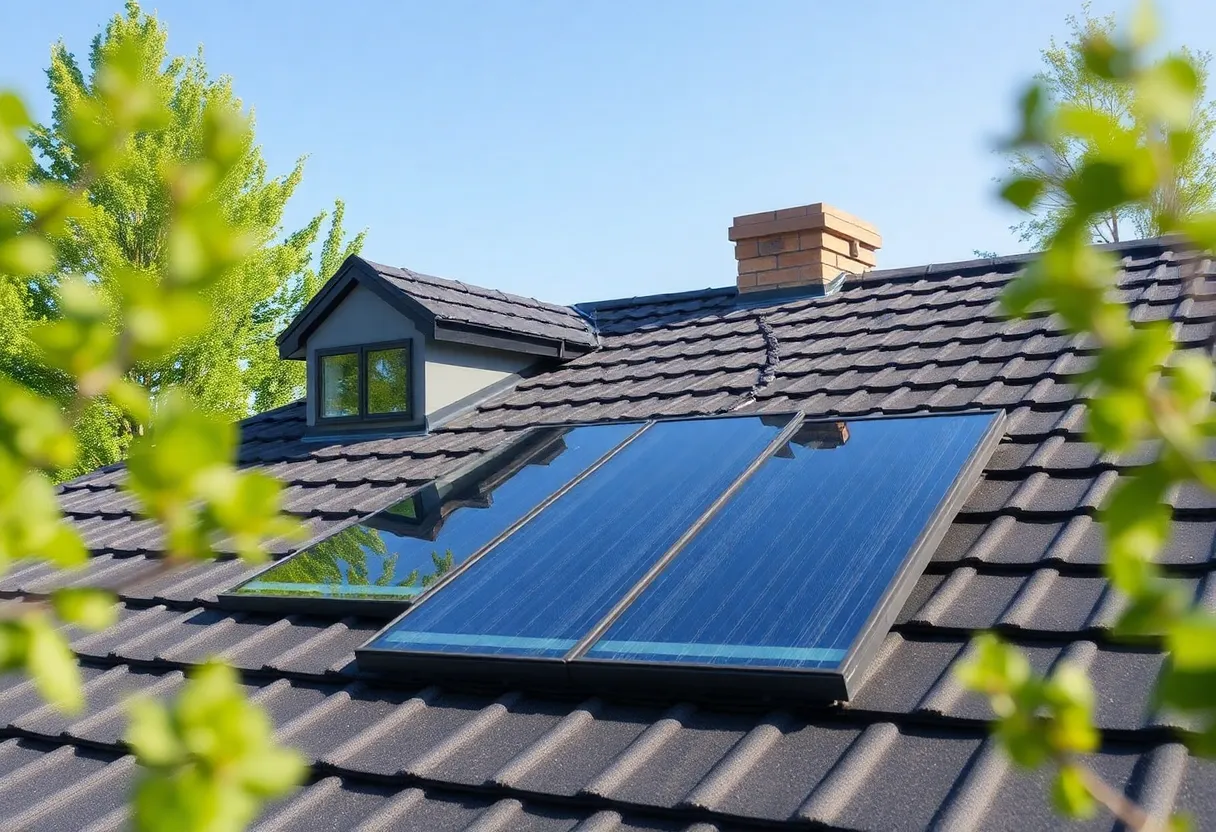
Incorporating solar panels can be a wise investment for boosting energy efficiency. Solar energy can effectively reduce dependence on conventional power sources.
4.1 Consider the Orientation
For solar panels to perform optimally, their orientation is crucial. Aim for a south-facing slope to capture the maximum amount of sunlight throughout the day.
4.2 Roof Mounting Options
Utilize a rooftop mounting system for easy installation and durability. Ensure that the roof can support the panels before installation.
5. Conduct Regular Maintenance
Regular maintenance is essential for sustaining your roof’s energy efficiency. Keeping it in good condition can prevent costly repairs and ensure optimal performance.
5.1 Routine Inspections
Schedule yearly inspections. Checking for wear, cracks, or leaks allows you to address minor issues before they escalate.
5.2 Cleaning and Debris Removal
Remove leaves, branches, and debris from your roof regularly. This helps maintain efficient drainage and reduce the risk of mold or algae growth, which can impact insulation properties.
6. Consider Green Roof Systems
Green roofs are an innovative way to enhance energy efficiency. They incorporate vegetation into the roofing system, providing multiple benefits.
6.1 Benefits of Green Roofs
Green roofs can reduce heat absorption and improve air quality. The plants also provide natural insulation, thereby decreasing energy costs for both heating and cooling.
6.2 Maintenance Requirements
While green roofs require additional maintenance in terms of watering and plant care, their long-term benefits often outweigh the upkeep.
7. Implement Overhangs and Awnings
Overhangs and awnings can significantly improve energy efficiency. They provide shade for windows, reducing heat gain in the summer.
7.1 Designing for Climate
Choose the length and angle of overhangs based on your local climate. This can enhance your home’s energy performance, particularly in hot climates.
7.2 Aesthetic Considerations
In addition to functionality, these features can enhance the visual appeal of your home. Design aesthetics and energy efficiency can go hand in hand when carefully planned.
8. Final Thoughts
Optimizing your roof for maximum energy efficiency is a multi-faceted approach requiring thoughtful selections and regular maintenance. Each strategy, from selecting appropriate materials to considering solar installations, contributes to a more sustainable environment and reduced energy costs.
Investing time and resources into roofing optimization not only yields long-term benefits for the homeowner but also contributes positively to the greater community and the planet.
Conclusion
When considering your roof’s role in energy efficiency, recognize that every decision counts. Thoughtful choices lead to a well-optimized roof and better energy performance overall. Start with a plan today and be on your way to an energy-efficient home.

 Mays Contracting