
How to Identify the Best Time to Schedule Your Roof Inspection for Longevity
Roof inspections are essential for the maintenance and longevity of any roofing system. However, knowing the best times to schedule this important task can significantly impact its effectiveness. Seasonal changes, weather conditions, and specific indicators can help homeowners determine the optimal timing for roof inspections. This guide discusses these factors in detail to assist you in preserving the integrity of your roof.
Understanding the Importance of Roof Inspections
Regular roof inspections play a crucial role in identifying potential issues before they escalate into costly repairs. A well-maintained roof can enhance your home’s value and curb appeal while providing protection from environmental elements. Roof inspections reveal:
- Signs of wear and tear.
- Leaks that may have gone unnoticed.
- Damage from storms or extreme weather conditions.
- Debris accumulation that can hinder drainage.
- Potential pest infestations.
Identifying Key Times for Roof Inspections
Seasonal Considerations
The best timing for roof inspections often aligns with seasonal changes. Each season presents unique challenges and conditions that can affect your roofing material’s condition.
Spring Inspections
Spring is a prime time for roof inspections. After the harshness of winter, homeowners should check for:
- Damage from heavy snow and ice.
- Gutter clogs from falling debris.
- Signs of leaks revealed by melting snow.
Spring provides a clear view of potential vulnerabilities that could worsen during the summer storms.
Summer Inspections
During the summer, roof inspections should focus on heat-related damage. High temperatures can cause roofing materials to expand and contract, leading to:
- Cracks or splits in shingles.
- Warps in flashing.
- Exposed nail heads due to sealant deterioration.
With fewer rainstorms, summer can also offer an unobstructed view for inspections.
Fall Inspections
Fall is another critical period for roof inspections. This season prepares the roof for the winter ahead. Key considerations included:
- Cleaning gutters to prevent ice dams.
- Checking for leaks before heavy rain and snow.
- Assessing the structural integrity as trees may shed leaves and branches.
A fall inspection ensures that your roof is ready for winter’s challenges.
Winter Inspections
Although winter can be challenging due to weather conditions, scheduling an inspection is still essential. Roof inspections during winter focus on:
- Ice dam formations that can lead to leaks.
- Flashing integrity, particularly in areas prone to snow accumulation.
- Attic ventilation to prevent heat loss and maintain consistent temperatures.
Winter inspections may need to be performed carefully, considering safety factors.
Weather Conditions and Roof Inspections
Beyond seasonal cycles, specific weather conditions can dictate when to schedule roof inspections. Adverse weather events such as heavy rains, hailstorms, or high winds can significantly impact roof integrity. After any extreme weather event, checking your roof for:
- Missing or damaged shingles.
- Water pooling that may indicate drainage issues.
- Visible damage to flashing or seals.
Additionally, monitoring local forecasts can help pinpoint the ideal days for inspections. Clear, dry days with mild temperatures are optimal for thorough evaluations.
Signs of Potential Roof Issues
Homeowners should also familiarize themselves with signs that necessitate an inspection, regardless of the season. Indicators include:
- Visible wear and tear on shingles.
- Staining or discoloration inside the home.
- Unaffected ceilings or walls showing signs of moisture.
- Unusual noises during rain or stormy weather.
Addressing these signs promptly can prevent further damage and extend your roof’s lifespan.
Best Practices for Scheduling Inspections
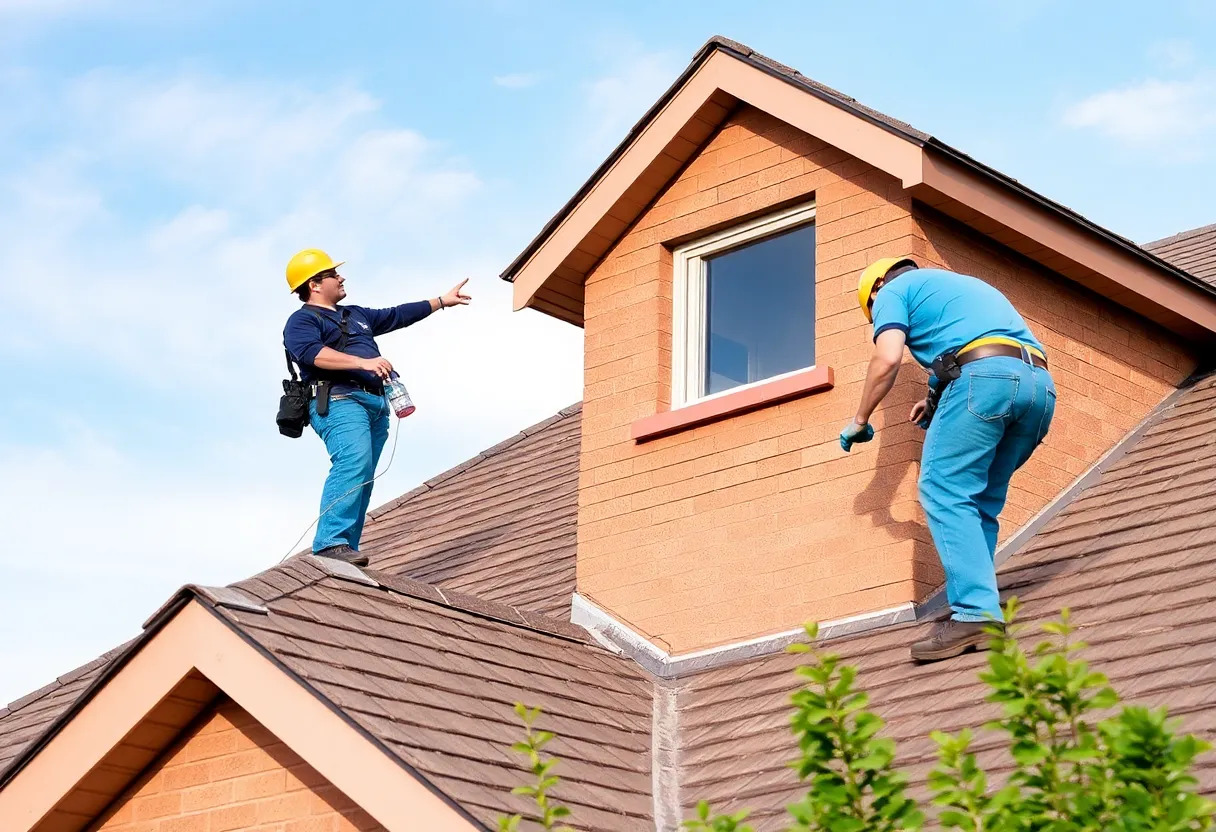
While determining when to schedule a roof inspection, certain best practices can help make the process efficient and effective:
- Keep Records: Document previous inspections and repairs. This information aids contractors in addressing ongoing issues.
- Hire Qualified Professionals: Ensure that the contractor has experience and proper certifications.
- Be Proactive: Don’t wait for visible signs to call for an inspection. An annual checkup can save substantial costs in the long run.
- Utilize Technology: Consider drone inspections for hard-to-reach areas or when extensive roof coverage is necessary.
Conclusion
Determining the best time for roof inspections is critical for ensuring the longevity and performance of your roofing system. Homeowners should capitalize on seasonal changes, weather patterns, and specific signs of damage to create an effective schedule. Regular inspections not only protect your home but also provide peace of mind against the elements. By following the advice outlined herein, homeowners can adopt a proactive maintenance approach that preserves their roofs for years to come.

 Mays Contracting