
How to Choose the Right Roofing Color to Reflect Heat and Save Energy
Selecting the appropriate roofing color is a crucial decision that influences both energy efficiency and overall home comfort. A rooftop that reflects heat can significantly reduce energy costs and enhance the living conditions within a building. Understanding how roofing color impacts energy efficiency and what factors to consider in this decision is essential.
The Science Behind Roofing Colors
Roofs influence a building’s thermal performance. Roof surfaces absorb or reflect solar radiation, affecting how much heat enters the interior. This heat absorption is measured by a property known as solar reflectance, also referred to as albedo.
Light-colored roofs tend to have a higher solar reflectance, meaning they reflect a greater portion of the sun’s energy, while dark-colored roofs absorb more heat, increasing interior temperatures. This can lead to greater reliance on air conditioning, raising energy consumption and costs.
Benefits of Choosing Light Colors
Light-colored roofing materials often provide several advantages:
- Energy Savings: By reflecting sunlight, these roofs can maintain lower interior temperatures, reducing the need for air conditioning.
- Longer Roof Lifespan: Reduced thermal expansion and contraction can prolong the roof’s integrity and lifespan.
- Comfort: A cooler home environment translates into increased comfort for occupants.
Climate Considerations
When choosing a roofing color, consider your local climate. In hotter climates, light-colored roofs are advantageous. They can lower cooling costs and improve comfort. Conversely, in cooler climates, a darker roof can help retain heat during colder months, potentially decreasing heating costs.
Regional Influences
Apart from generic climate categories, specific regions may also experience unique weather patterns. Coastal areas, for example, get a lot of sun, making light roofing a suitable option. Conversely, areas with regular snowfall might benefit from darker roofing materials to help melt snow.
Types of Roofing Materials
The roofing material you choose also influences your color choices. Different materials have varying reflectance properties:
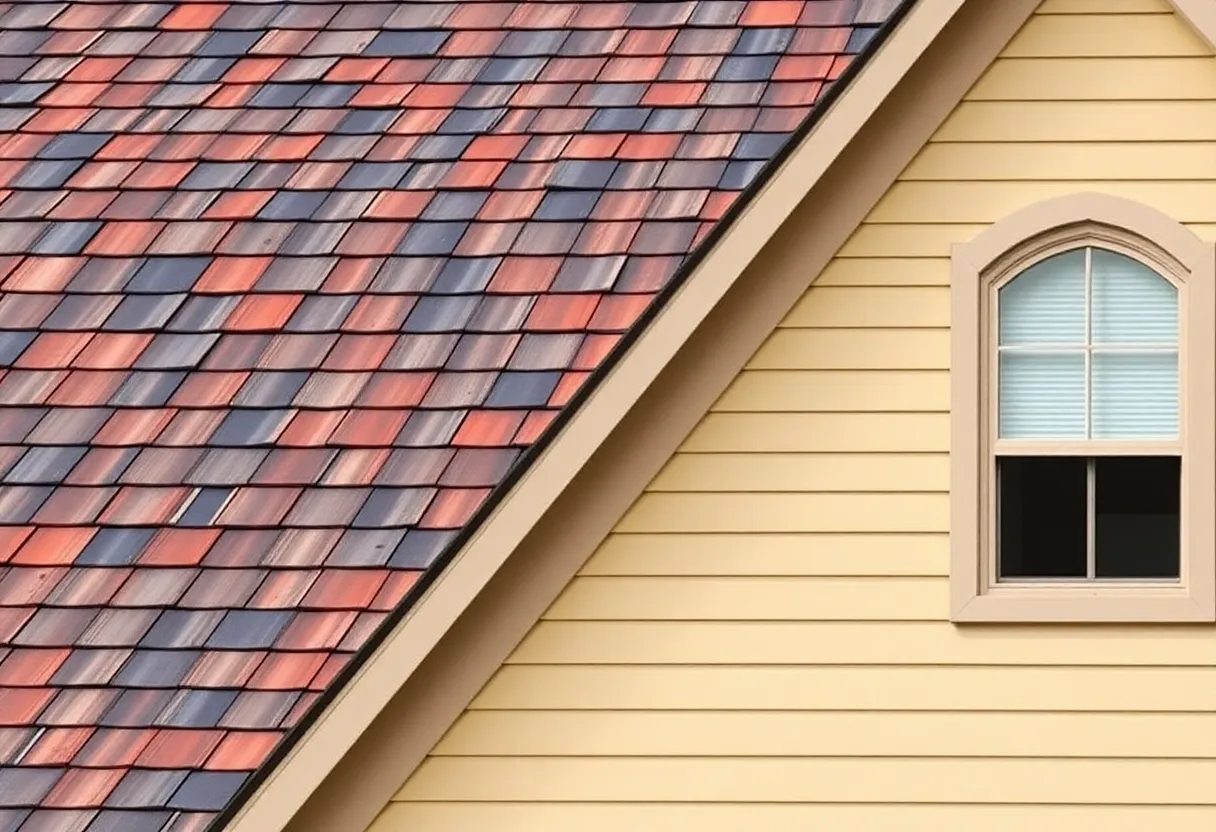
- Asphalt Shingles: Typically available in a variety of colors, these shingles can reflect heat but are less efficient compared to metal or concrete.
- Metal Roofs: Known for high reflectance, light-colored metal roofs can significantly improve energy efficiency.
- TPO and PVC Membranes: These materials are available in reflective white and light colors, ideal for flat roofs.
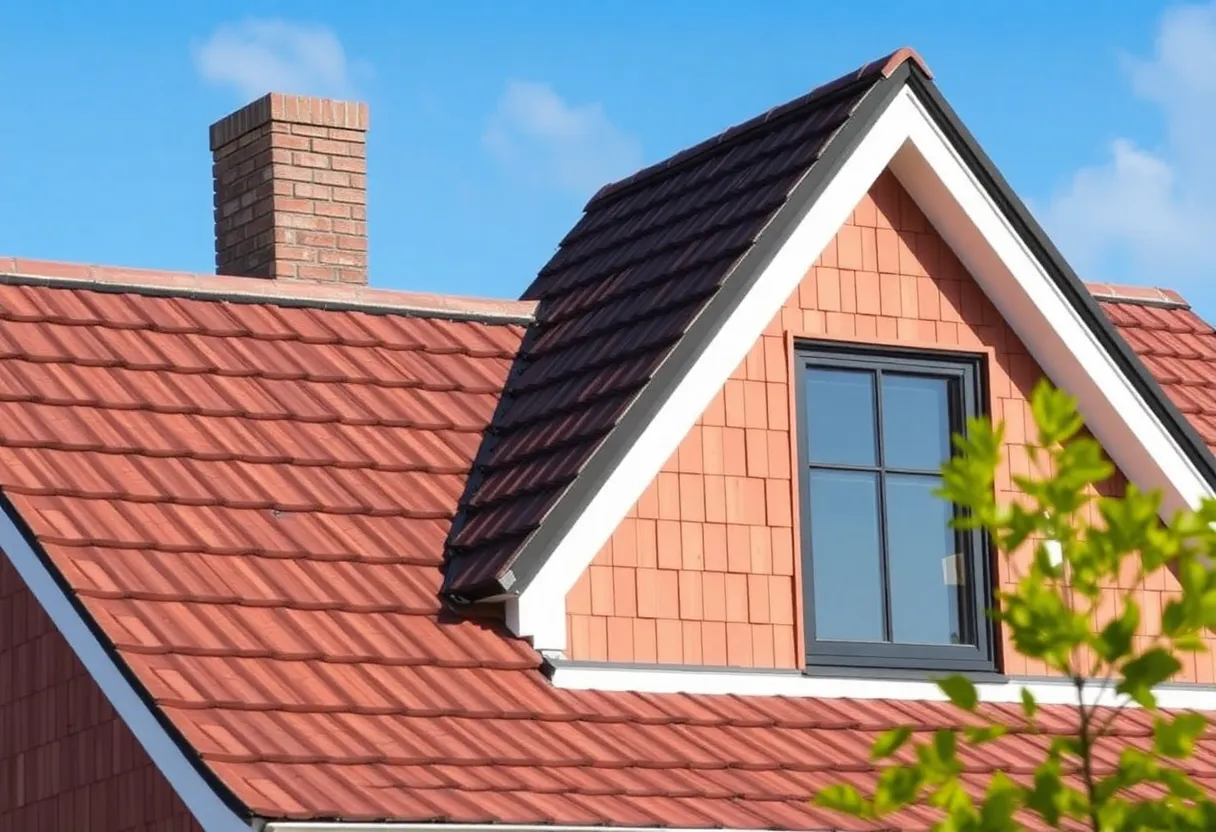
- Clay and Concrete Tiles: Available in various colors, these materials can also reflect heat, especially in lighter shades.
Local Building Codes and Aesthetic Preferences
Before finalizing your color choice, it’s crucial to check local building codes and homeowners’ association guidelines. Regulations may restrict certain colors or material types based on aesthetic standards or energy efficiency mandates.
Moreover, the color you choose should complement the architecture of your home and the overall neighborhood theme. A harmonious appearance enhances property value and curb appeal.
Reflective Coatings and Treatments
If you prefer a dark roofing color for aesthetic reasons, consider applying reflective coatings. Such treatments enhance the roof’s solar reflectance, allowing you to enjoy a darker color without compromising energy efficiency. These coatings work by reflecting sunlight and minimizing heat absorption, thereby improving overall energy savings.
Energy Star Rated Products
Utilizing roofing materials labeled under the Energy Star program can ensure that your roof meets national energy efficiency guidelines. Energy Star-rated roofs typically offer enhanced reflectance and emissivity, helping to maintain lower energy costs year-round.
Estimating Energy Savings
Determining potential energy savings based on roofing color can be complex. However, studies suggest that light-colored roofs can reduce energy costs by up to 20-30%, especially in hot climates. Factors to consider include:
- Volume and design of your home
- Insulation quality
- Local utility rates
To understand better how color choice will impact your energy bills, homeowners can consult energy modeling software or speak with local roofing and energy efficiency experts.
Conclusion
Selecting the right roofing color is essential for optimal energy efficiency and comfort in your home. By considering factors such as local climate, roofing material, and regional aesthetics, you can choose a roof that not only saves energy but also complements your living space. Whether you opt for reflective coatings or light-colored materials, making an informed decision will lead to long-term benefits.

 Mays Contracting