

How to Choose the Right Roof Overhang for Your Home’s Protection and Style
A roof overhang is more than just an architectural feature; it represents a critical element in home design that offers both protective functionality and aesthetic appeal. Understanding the factors that influence your choice of roof overhang will not only enhance your home’s durability but also elevate its style. This article will guide you through the essential considerations to help you make an informed decision about roof overhangs.
Understanding Roof Overhangs
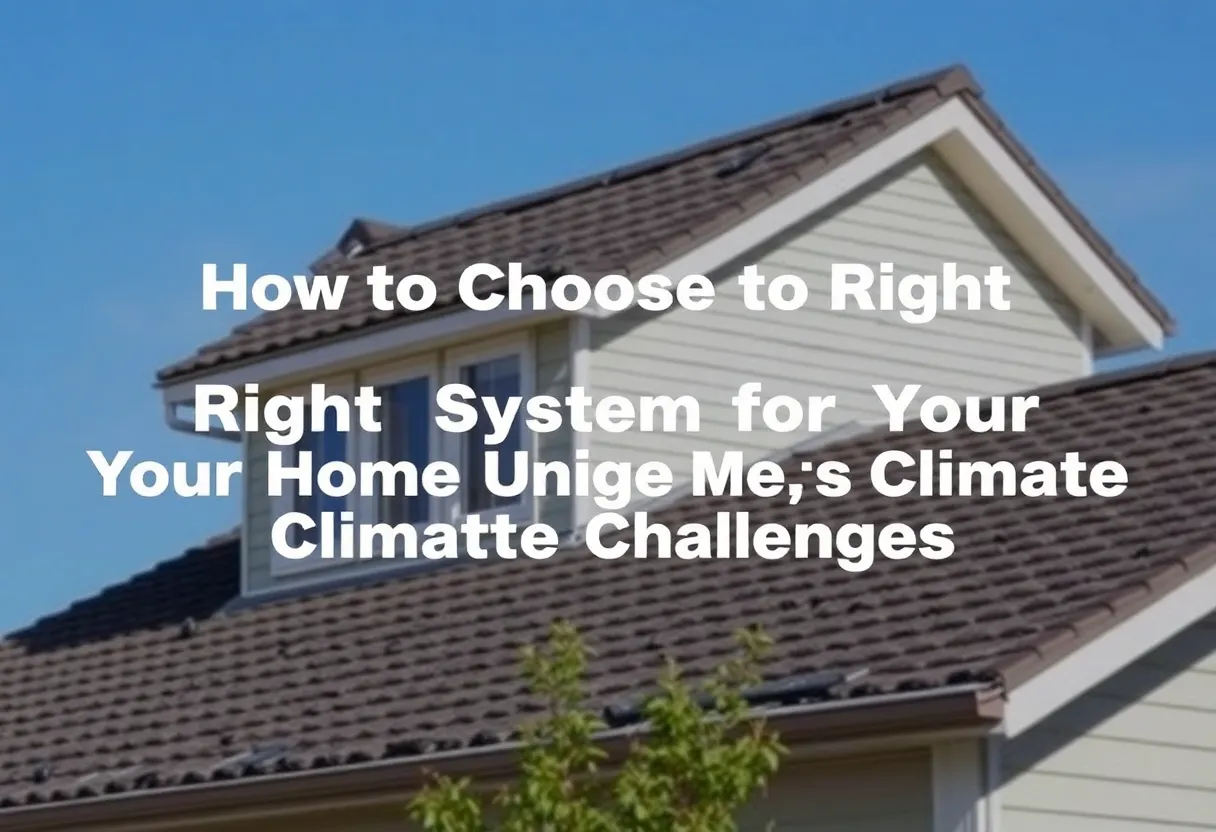
Before delving into how to choose the right roof overhang, it’s vital to understand what it is. A roof overhang refers to the portion of the roof that extends beyond the exterior walls of the building. Its primary purpose is to protect the structure and its occupants from various environmental elements, such as rain, snow, and sun. However, roof overhangs also serve to enhance the architectural style of your home.
Key Considerations in Choosing Roof Overhangs
1. Environmental Factors
Your local climate greatly influences the type of overhang best suited for your home. The following points summarize essential climate considerations:
- Rainfall: In heavy rainfall areas, longer overhangs can prevent water from splashing against exterior walls, reducing potential damage.
- Snow Load: In snowy regions, a well-designed overhang aids in preventing excessive snow accumulation on the roof and walls.
- Sun Exposure: For hot climates, wider overhangs can provide shade, keeping your home cooler and minimizing energy costs.
2. Architectural Style
The architectural style of your home should greatly influence the roof overhang’s design. Overhangs can complement or clash with existing home features:
- Traditional Homes: In classic architectural styles, modest overhangs provide subtle elegance.
- Modern Designs: Sleek, extended overhangs can give a contemporary look, contributing to a striking visual impact.
- Ranch and Bungalow Styles: For these homes, wide overhangs often provide both style and shade.
3. Roof Pitch and Material
The pitch of your roof and the material chosen for construction can determine the optimal dimensions of your overhang:
- Low-Pitch Roofs: These may require more substantial overhangs to manage water drainage effectively.
- Steep Roofs: In contrast, steeper roofs can often suffice with shorter overhangs, provided they are well constructed.
- Material Considerations: Choose materials that reflect or complement the finishing of your roof and house exterior.
4. Functional Benefits
Functionality is crucial when deciding on an overhang:
- Weather Protection: A well-designed overhang shields windows and doors from rain and snow, prolonging their lifespan.
- Energy Efficiency: Proper overhangs can help regulate indoor temperatures, providing shade in summer and allowing sunlight in winter.
- Landscaping and Outdoor Living: Overhangs can create sheltered outdoor areas, enhancing your functionally usable space.
5. Building Codes and Zoning Regulations
Your local regulations regarding building codes and zoning can impact your overhang choices:
- Setback Requirements: Make sure your overhang style complies with regulations regarding how far it can extend from your home.
- Height Restrictions: Some municipalities may have rules dictating how high or low an overhang can be.
Design Options for Roof Overhangs
1. Eave Overhangs
Eave overhangs extend from the lower edges of the roof. They are among the most common types of overhangs and are designed to protect walls from rain and sun. Aesthetic choices can range from simple and functional to decorative with intricate detailing.
2. Gable Overhangs
Gable overhangs are situated at the peak of a roof and offer a distinctive architectural element. They can add a decorative touch while maintaining functionality. This option is particularly effective in areas with steep roofs.
3. Fascia and Soffit Overhangs
Fascia and soffit overhangs are integral to a roof’s drainage system. The fascia board serves as a finishing edge, while the soffit provides ventilation and prevents pests. Both elements can be customized in various materials and colors.
4. Custom Overhangs
If standard designs do not meet your needs, consider custom overhangs. These can be tailored specifically to match the roofline and suit functional requirements, maximizing both utility and appearance.
Real-Life Applications and Examples
When assessing various houses in your community, take note of the overhang styles. Observe how they blend with the surroundings:
- Coastal Homes: Many feature wide overhangs to protect against harsh ocean winds and driving rain.
- Mountain Cabins: These often have shorter, sturdy overhangs to handle heavy snow loads while providing a cozy aesthetic.
- Urban Houses: In cities, sleek overhangs can enhance modern architecture while providing space for outdoor furniture.
Benefits of Choosing the Right Overhang
The ramifications of selecting an appropriate roof overhang go beyond mere aesthetics:
- Cost-Effectiveness: An optimal overhang reduces the risk of water damage, minimizing repair costs over time.
- Increased Home Value: Well-designed overhangs can enhance your property’s resale value.
- Better Energy Efficiency: By reducing heating and cooling costs, a suitable overhang ultimately leads to long-term savings.
Conclusion
Choosing the right roof overhang for your home involves a careful assessment of environmental factors, architectural style, functional benefits, and required building codes. By paying attention to these elements, you not only protect your investment but also enhance the aesthetic appeal of your residence. Ultimately, a well-chosen roof overhang can provide long-lasting benefits that improve your living experience while elevating your home’s overall design.

 Mays Contracting