

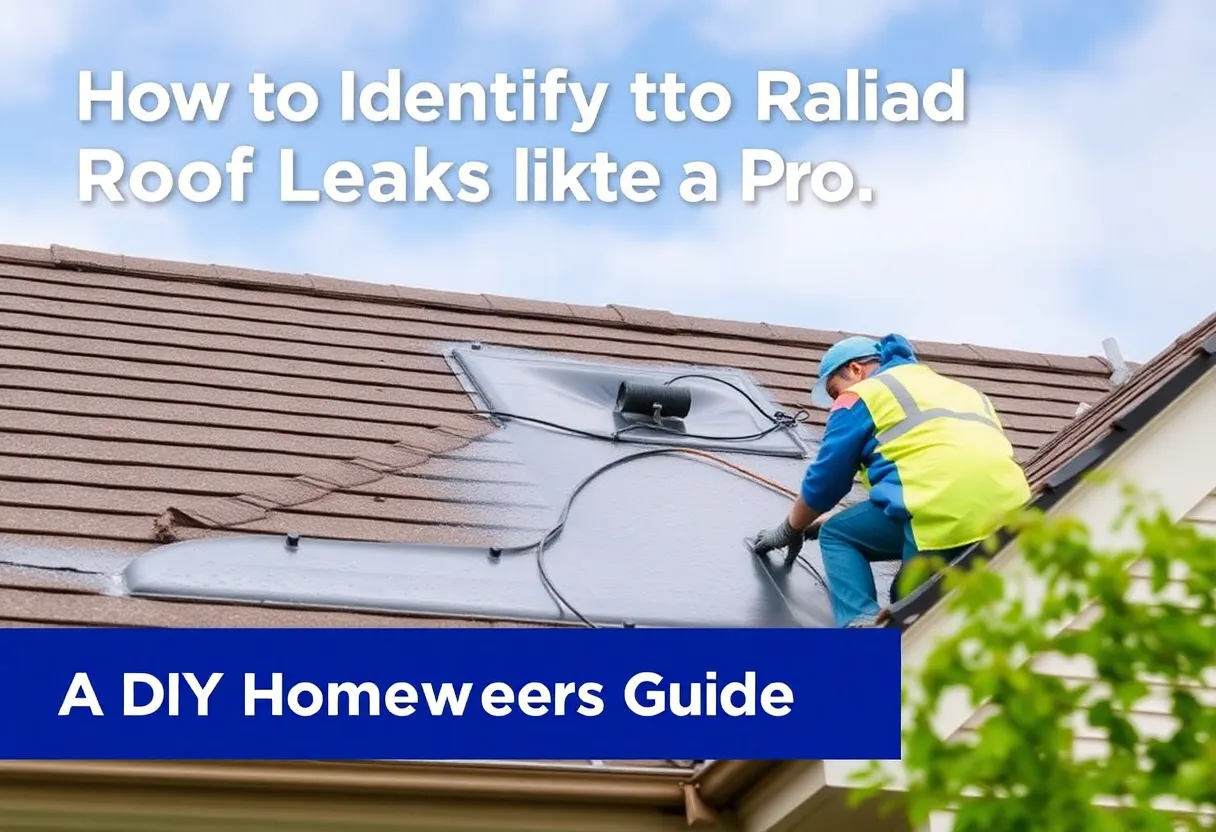
How to Identify and Repair Roof Leaks like a Pro: A DIY Homeowner’s Guide
Roof leaks can lead to significant damage if left unchecked. Learning how to identify and repair these leaks is crucial for any homeowner. This guide provides a comprehensive overview of effective methods for detecting roof leaks, as well as practical steps for performing repairs.
Understanding Roof Leaks
Roof leaks result from various factors, notably age, weather conditions, and material defects. Recognizing the symptoms of a roof leak early can save you time and money. Common indicators include:
- Water stains on ceilings or walls
- Mold or mildew growth
- Damaged insulation
- Missing or damaged shingles
If you notice any of these signs, it’s important to address the issue promptly.
Phase One: Identifying Roof Leaks
1. Inspecting the Interior
Begin your leak investigation indoors. Look for water stains, damage, or dampness in ceilings and walls. Pay close attention to:
- Areas where two slopes meet
- Near vents, flues, and chimneys
- Around skylights
Consider using a flashlight to examine dark areas for water spots or mold growth.
2. Conducting Outdoor Inspections
Once the interior examination is complete, head outside for a more detailed inspection. Use binoculars to get a closer look at your roof. Search for:
- Cracked or missing shingles
- Holes or punctures in the roofing material
- Debris accumulation, particularly in gutters
Pay attention to flashing, which is designed to direct water away from critical areas. Ensure that it is intact and properly sealed.
3. Checking for Icicles and Ice Dams
In colder months, icicles may form at the edges of the roof. Ice dams can block proper drainage, leading to potential leaks. Regularly remove snow from the roof surface to prevent ice buildup.
4. Using the Water Test
To pinpoint leaks more accurately, conduct a water test. This involves spraying water on various sections of the roof using a garden hose. Start from the lowest point and gradually make your way up. The goal is to identify where water enters your home.
Phase Two: Repairing Roof Leaks
1. Quick Temporary Fixes
If a leak is imminent and the weather forecast predicts rain, implement a temporary fix. Use tarps to cover compromised areas until a permanent solution can be established. Secure the tarp with weights or ropes to avoid it blowing away.
2. Replacing Damaged Shingles
Should you find missing or damaged shingles, proceed with replacement. Here’s how:
- Remove the damaged shingle by lifting the edges and extracting any nails.
- Slide a new shingle into place and secure it using roofing nails.
- Seal around the shingle with roofing cement to prevent further leaks.
3. Sealing Flashing
Flashing issues often lead to leaks. If you discover unsealed or damaged flashing, apply a high-quality roofing sealant. Ensure that surfaces are clean and dry before application. Consider using flashing tape for additional protection in vulnerable areas.
4. Addressing Gutter Problems
Gutters play a critical role in channeling water away from your roof. If clogged, they can lead to water pooling and subsequent leaks. Regularly clean and maintain gutters to ensure they function correctly. If they are damaged, remove and replace as necessary.
5. Professional Consultation
If leaks persist despite your efforts, it may be time to seek professional help. A roofing expert can assess the situation, identifying underlying problems that may not be visible during inspections. Engaging with a professional guarantees a thorough evaluation and reliable repairs.
Preventative Measures
Preventing future leaks is paramount. Here are several strategies:
- Schedule annual roof inspections to catch potential issues early.
- Keep trees trimmed to minimize falling debris on the roof.
- Inspect flashing and seams regularly for wear and tear.
- Clear gutters and downspouts consistently to prevent blockages.
Conclusion
Identifying and repairing roof leaks can significantly enhance the lifespan of your roofing system. As a DIY homeowner, understanding the basics of roof maintenance equips you to respond effectively to leaks. Regular inspections and preventative strategies ensure that your home remains protected from water damage. By adopting these techniques and remaining proactive about roof health, you can maintain a secure and safe living environment.

 Mays Contracting