


How to Use Customer Journey Mapping to Create a Winning Digital Marketing Strategy
Understanding Customer Journey Mapping
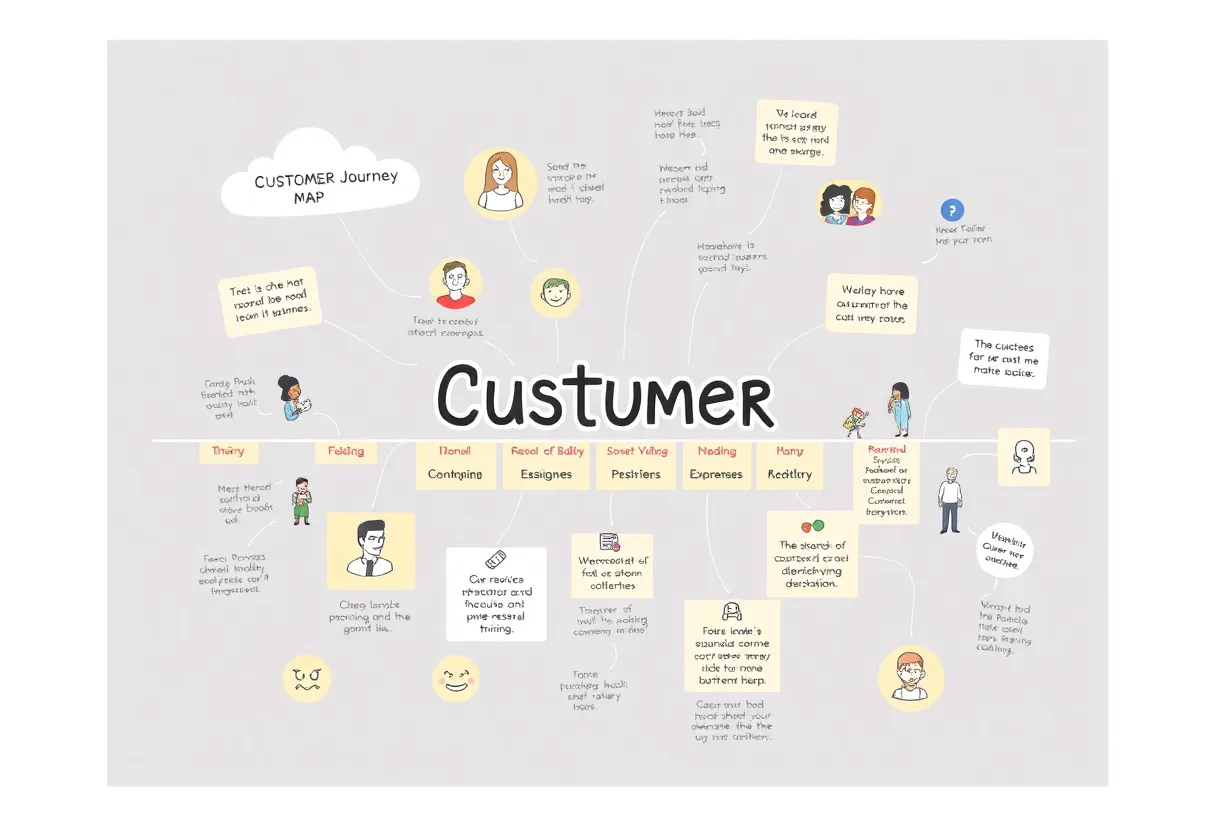
Customer journey mapping is a visual representation of the process that a customer goes through when interacting with a brand. It helps businesses understand the various touchpoints, pain points, and motivations of customers throughout their journey. By visualizing these aspects, companies can tailor their marketing strategies to meet customer needs effectively.
At its core, customer journey mapping captures the complete experience of a customer, from initial awareness through to post-purchase engagement. This can include online research, social media interactions, website visits, and customer service communications. The insights gained from mapping these journeys are invaluable, as they uncover opportunities for enhancing the customer experience.
Key Components of Customer Journey Mapping
To construct a comprehensive customer journey map, several critical components must be considered:
1. Customer Personas
Customer personas are semi-fictional representations of your ideal customers, based on market research and real data about existing customers. Understanding your target demographics, behaviors, and preferences is vital in ensuring your journey map is focused and relevant.
2. Touchpoints
Touchpoints are the various interactions customers have with your brand. They can be physical, like a store visit, or digital, such as visiting your website or engaging with your social media content. Identifying these touchpoints is essential to understanding the customer experience.
3. Customer Emotions
Mapping the emotional states of customers at each stage of their journey helps to identify not just what they are doing but how they feel while engaging with your brand. This aspect is crucial for creating a meaningful and positive experience.
4. Pain Points and Barriers
Understanding pain points reveals areas that frustrate customers during their journey. By addressing these issues, businesses can significantly enhance customer satisfaction and retention.
Steps to Create an Effective Customer Journey Map
Creating a customer journey map involves a structured process. Here’s how you can do it effectively:
1. Define Your Goals
Before embarking on the mapping process, clarify what you aim to achieve. Are you looking to improve customer satisfaction? Increase conversions? Defining your goals will guide the focus of your mapping efforts.
2. Collect Data
Utilize both qualitative and quantitative data to gain insights into customer behavior. Surveys, interviews, analytics, and customer feedback are valuable sources of information that can help shape your map.
Surveys
Conduct surveys to gather direct feedback from customers about their experiences. This information can illuminate specific touchpoints and moments that matter the most.
Analytics
Use analytics tools to track user behavior on your website and social media platforms. This data reveals how customers interact with your brand online.
3. Identify Customer Stages
Outline the various stages customers go through, starting from awareness to consideration, purchase, retention, and advocacy. Understanding these stages allows you to create targeted strategies for each.
4. Visualize the Map
Create a visual representation of your findings, mapping out the customer journey through graphics and illustrations. This map should include touchpoints, emotions, pain points, and other essential elements listed previously.
5. Analyze and Optimize
Review the customer journey map holistically. Identify gaps and areas for improvement, focusing on enhancing customer satisfaction and experience. Implement changes and continuously refine the map based on new insights and feedback.
Integrating Customer Journey Mapping into Your Digital Marketing Strategy
With a well-crafted customer journey map in hand, you can now effectively integrate it into your digital marketing strategy. Implementing targeted strategies based on the insights gleaned from the map can greatly improve results.
1. Personalized Marketing Messaging
Utilize insights from customer journeys to shape your messaging. Tailor your content to address the specific needs, pain points, and motivations of your target audience at each stage of their journey. Personalized marketing creates a more meaningful connection with customers, enhancing engagement.
2. Enhanced Content Marketing
Content plays a pivotal role across various customer journey stages. By understanding what type of content resonates with customers during their journey, you can create relevant blog posts, videos, and social media updates. Focus on educational content for the awareness phase, product-specific details for the consideration phase, and testimonials or case studies for the purchase phase.
3. Targeted Ad Campaigns
Use the insights from your customer journey map to design targeted ad campaigns. Knowing the user’s stage allows you to deliver the right message at the right time, maximizing the chances of conversion. Retargeting ads can also be effective for customers who have shown interest but have not yet made a purchase.
4. Improved User Experience
Analyze customer pain points and incorporate this feedback into your website and digital platforms. Ensure an intuitive design, straightforward navigation, and quick loading times to enhance overall user experience.
5. Post-Purchase Engagement
Customer journeys do not end with a purchase. Develop strategies for nurturing customer relationships post-purchase. This can include follow-up emails, loyalty programs, or exclusive offers, reinforcing customer allegiance to your brand.
The Benefits of Using Customer Journey Mapping
Incorporating customer journey mapping into your digital marketing strategy brings several significant benefits:
1. Better Understanding of Customer Needs
Your journey map serves as a blueprint of your customers’ experiences and expectations. This understanding helps tailor products, services, and marketing strategies to meet specific needs effectively.
2. Enhanced Customer Experience
By identifying and addressing pain points, businesses can work to enhance the overall experience for customers. This leads to higher satisfaction rates and fosters loyalty.
3. Increased Conversions and Sales
A well-informed digital marketing strategy, shaped by customer journey insights, leads to optimized touchpoints that facilitate conversions, ultimately boosting sales and revenue.
4. More Effective Marketing Initiatives
Understanding your customers enables you to create more impactful marketing campaigns. Tailoring strategies based on customer behavior ensures resources are allocated towards initiatives that yield the highest return on investment.
5. Continuous Improvement
Customer journey mapping should be an iterative process. As you collect new data and insights, the map can be continuously refined. This allows you to keep pace with changing customer preferences and market dynamics.
Conclusion
Customer journey mapping is a fundamental tool for businesses looking to enhance their digital marketing strategies. By understanding the various stages, touchpoints, emotions, and pain points of customers, companies can create tailored marketing efforts that resonate with their audience.
Utilizing these insights enables personalized messaging, targeted ad campaigns, and an overall better customer experience. Ultimately, a well-executed customer journey mapping initiative can lead to increased conversions, enhanced customer satisfaction, and long-term brand loyalty.
Understanding and mapping the customer journey is not merely a strategy; it is a commitment to prioritizing customer needs and fostering meaningful relationships that drive business growth. As the landscape of digital marketing continues to evolve, customer journey mapping remains a timeless practice that can pave the way for lasting success.