

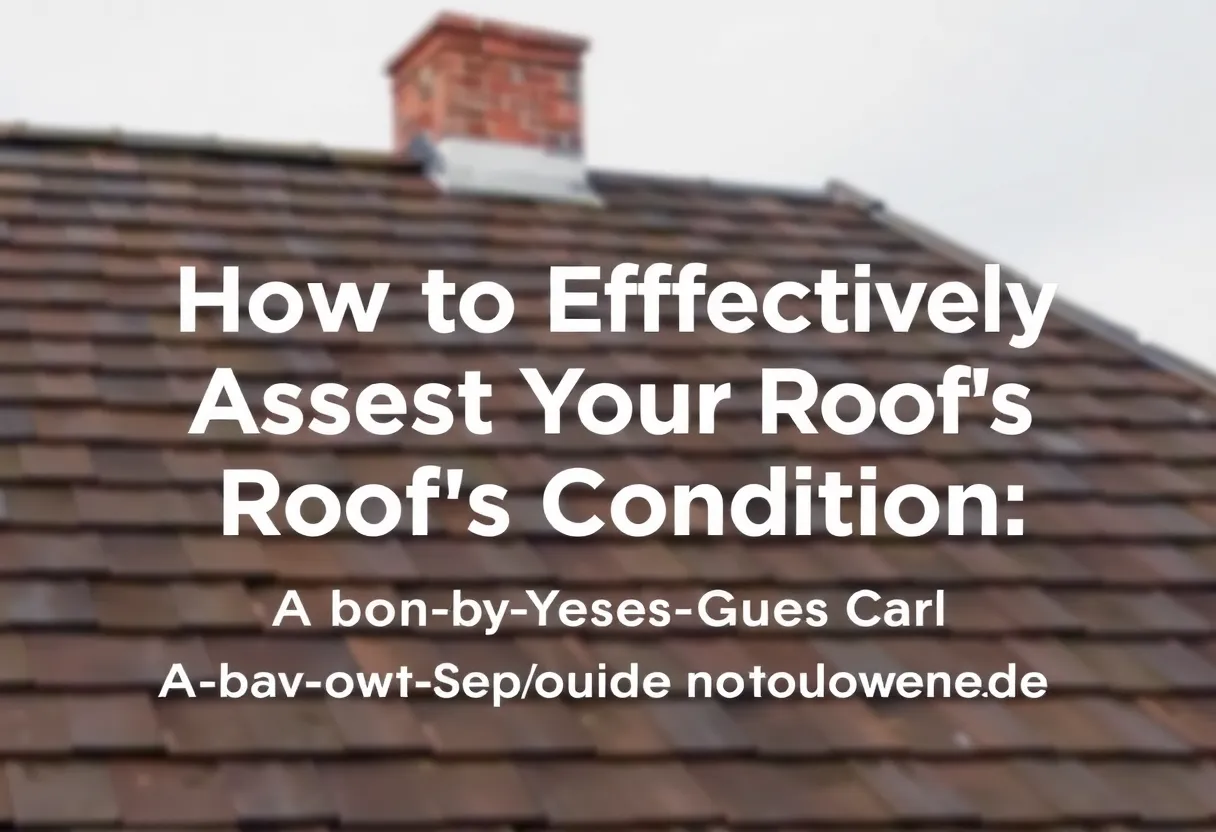
How to Effectively Assess Your Roof’s Condition: A Step-by-Step Guide for Homeowners
Assessing your roof’s condition is a crucial task for every homeowner. A well-maintained roof protects your home from water damage, heat loss, and the elements. This guide outlines the steps to effectively assess the condition of your roof, empowering you to make informed decisions.
1. Know What to Look For
Understanding the common issues that affect roofs is the first step in your assessment. Common problems include:
- Missing shingles: Check for gaps where shingles are missing or damaged.
- Cracked shingles: Cracks can lead to leaks if not addressed promptly.
- Leaks: Look for water spots on ceilings or walls; they are indicative of roof leaks.
- Moss or mildew: Growth on shingles can indicate moisture retention.
- Deteriorating flashing: Flashing should be intact and properly sealed around joints and vent pipes.
- Pools of water: Standing water can indicate improper drainage.
2. Safety First: Precautions Before Starting
Before climbing onto your roof or conducting an inspection from the ground, prioritize safety:
- Wear appropriate gear: Non-slip shoes and a safety harness are essential.
- Use a sturdy ladder: Ensure it is placed on stable ground, and never exceed the manufacturer’s weight limit.
- Inspect the weather: Choose a dry day with minimal wind for your inspection.
3. Interior Assessment
Start the assessment from indoors. This can provide valuable information without having to climb onto the roof immediately:
3.1 Inspect Ceilings and Walls
Look for:
- Water stains: Dark spots can indicate leaks.
- Mold or mildew: This growth often signifies prolonged moisture exposure.
- Bubbles or peeling paint: These can be signs of water damage.
3.2 Check Attic Space
Your attic can reveal a lot about your roof’s condition:
- Visual inspection: Look for any signs of roof leaks, including damp insulation.
- Ventilation: Ensure there is adequate airflow to prevent moisture buildup.
- Signs of pests: Rodents or insects can indicate structural issues.
4. External Assessment
Once your indoor inspection is complete, it’s time to head outside. Always prioritize safety while examining your roof:
4.1 Gutter Inspection
Inspect your gutters to ensure they are clear of debris:
- Clear blockages: Leaves and debris can impede water drainage.
- Check for rust: Rusty gutters require immediate attention.
- Look for sagging: This may indicate an impending failure.
4.2 Roof Surface Inspection
Conduct a visual inspection of the roof surface:
- Look for damage: Identify missing, cracked, or curling shingles.
- Check for wear: Signs of wear may include discoloration or granule loss.
- Inspect flashing: Ensure flashing is secure and watertight.
- Watch for sagging: A sagging roof indicates serious structural issues.
4.3 Chimney and Vent Inspection
Examine the chimney and ventilation systems:
- Cracks or gaps: Check for any visible defects in the chimney structure.
- Weatherproofing: Ensure flue caps are securely installed and weatherproofed.
- Inspect vents: Ensure all roof vents are clear and properly installed.
5. Document Your Findings
Maintain accurate records of your assessment:
- Takes photos: Document your roof’s condition visually for future reference.
- Create a checklist: Use a checklist to record specific issues found during inspection.
- Rate the condition: Use a simple grading system (e.g., good, fair, poor) for clarity.
6. Determine Next Steps
After documenting your findings, determine your next steps based on the severity of the issues identified:
- Minor issues: These can often be fixed with simple repairs or maintenance.
- Moderate issues: Consider contacting a professional for a more thorough inspection.
- Major repairs: Major structural issues require immediate attention from a certified roofer.
7. When to Call a Professional
While homeowners can conduct their assessments, certain situations warrant professional intervention:
- Roof over ten years old: Regular professional inspections are recommended.
- Signs of extensive damage: Such as multiple leaks or sagging roofs.
- Uncertainty: If you feel uncomfortable with your assessment, a professional can provide expertise.
8. Maintenance Tips for Roof Longevity
Regular maintenance extends the lifespan of your roof:
- Regular cleaning: Keep gutters and roof surfaces free of debris.
- Inspect seasonally: Conduct inspections at least twice a year.
- Address minor repairs promptly: Ignoring small problems can lead to bigger issues.
Conclusion
Assessing your roof’s condition is a vital skill for every homeowner. By following this step-by-step guide, you will better understand your roof’s needs, ensuring you maintain a structurally sound and protective barrier over your home. Regular assessments, timely repairs, and proactive upkeep will save you significant costs in the long run, protecting not only your roof but your entire home.

 Mays Contracting