


How Can You Choose the Right Roof Underlayment for Enhanced Protection and Performance?
Understanding Roof Underlayment
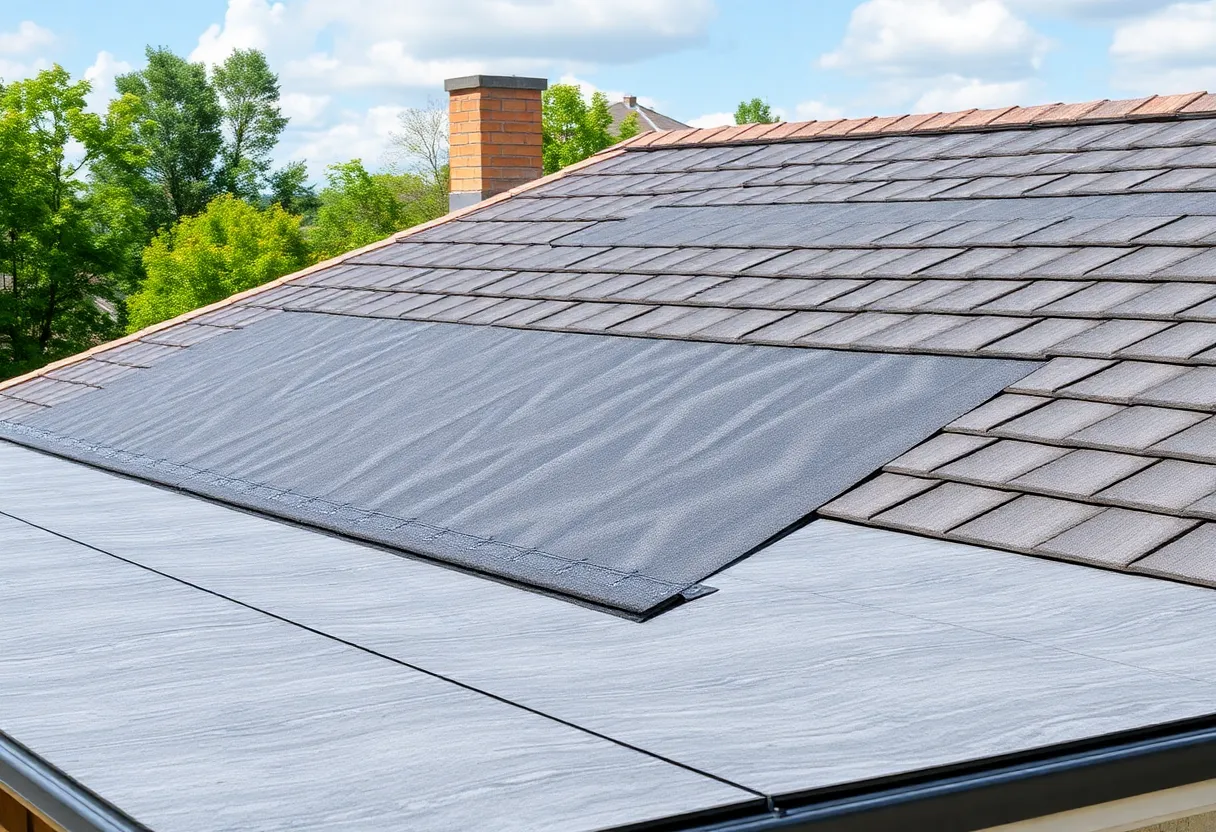
Roof underlayment acts as a crucial layer between the roofing material and the roof deck. This layer is essential for enhancing overall roof performance and providing additional protection against water infiltration. It plays a significant role in extending the longevity of the roof and maintaining its structural integrity.
Types of Roof Underlayment
There are several types of roof underlayment available in the market, each with its advantages and disadvantages. Understanding these types will help in making an informed choice.
1. Felt Underlayment
Felt underlayment, also known as tar paper, has been a traditional choice for roofing for decades. Made of natural or synthetic fibers coated with asphalt, it is available in two common weights: 15-pound and 30-pound.
- Advantages: Cost-effective, widely available, and easy to install. It provides good water resistance and is generally effective under shingles.
- Disadvantages: Susceptible to tearing and damage, especially in high winds. It can absorb moisture, which may lead to mold growth.
2. Synthetic Underlayment
Synthetic underlayment is made from polypropylene or polyester materials that offer superior durability compared to traditional felt. It is lightweight and highly resistant to tearing.
- Advantages: Excellent waterproofing capabilities and resistant to wind, tears, and UV damage. It is often easier to handle and install compared to felt.
- Disadvantages: Generally higher initial cost, although it may save money in the long run due to increased lifespan.
3. Rubberized Asphalt Underlayment
Rubberized asphalt underlayment is designed for maximum waterproofing protection. Containing a rubberized asphalt compound, it creates a seal against water.
- Advantages: Provides an excellent barrier against ice dams and water intrusion. Particularly beneficial in cold climates where ice buildup occurs.
- Disadvantages: More expensive than other types of underlayment. Limited to specific applications, as it may not be compatible with all roofing materials.
Factors to Consider When Choosing Underlayment
When selecting roof underlayment, consider the following key factors:
1. Climate
Your local climate plays a critical role in determining the best underlayment. In areas prone to heavy rain or snow, a waterproof option like rubberized asphalt may be ideal. In contrast, hot and dry climates may benefit from synthetic underlayment that can withstand UV exposure.
2. Roof Pitch
The pitch of the roof dictates how water will flow off of it. Steeper roofs typically require a better-performing underlayment to handle the rapid runoff. A lower-pitched roof may still need enhanced protection against leaks, especially in areas with heavy rainfall.
3. Roofing Material
Different roofing materials require specific types of underlayment for optimal performance. For example:
- Shingles: Typically compatible with either felt or synthetic underlayments.
- Metal roofing: Often requires a breathable underlayment to avoid trapped moisture.
- Tile: Usually requires a more robust underlayment to support the weight and ensure durability.
4. Building Codes
It is crucial to check local building codes before selecting an underlayment. Regulations may specify certain underlayment types based on location and roofing material. Compliance is necessary to ensure safety, warranty validity, and overall performance.
5. Cost
While the cost may be a significant factor, it should not be the only consideration. Cheaper options like felt may save money upfront but could lead to increased costs over time due to repairs or replacements. Evaluate both the initial investment and long-term value when selecting underlayment.
Installation Considerations
Proper installation of roof underlayment is vital for achieving the intended performance and protection. Incorrect installation can lead to significant issues down the road.
1. Installation Guidelines
Here are some best practices to keep in mind during installation:
- Surface Preparation: Ensure the roof deck is clean and dry. Inspect for any damages or irregularities that could lead to leaks.
- Overlap: When laying underlayment, use appropriate overlaps as specified by the manufacturer—typically a minimum of 4 inches on horizontal seams and 6 inches on vertical seams.
- Fastening: Make sure to use the recommended fasteners. Use enough nails to secure panels but avoid over-nailing, which can create holes and compromise integrity.
2. Weather Conditions
Consider the weather conditions during installation. Ideally, underlayment should be installed on clear, dry days. Wet or windy conditions can lead to installation problems and decreased effectiveness.
Maintenance and Inspection
Regular inspection of underlayment can help identify issues before they escalate into serious problems. Look for signs of wear, damage, or moisture infiltration. It’s advisable to conduct inspections after severe weather events.
Conclusion
Choosing the right roof underlayment is essential for enhanced protection and roof performance. Assess your climate, roof pitch, roofing material, local building codes, and budget. By understanding the different types of underlayment and their specific advantages, you can make an informed decision that will ensure the longevity and integrity of your roofing system. Proper installation and regular maintenance are equally critical in maximizing the benefits of your chosen underlayment.

 Mays Contracting