

How to Effectively Design Your Roof for Maximum Solar Panel Efficiency
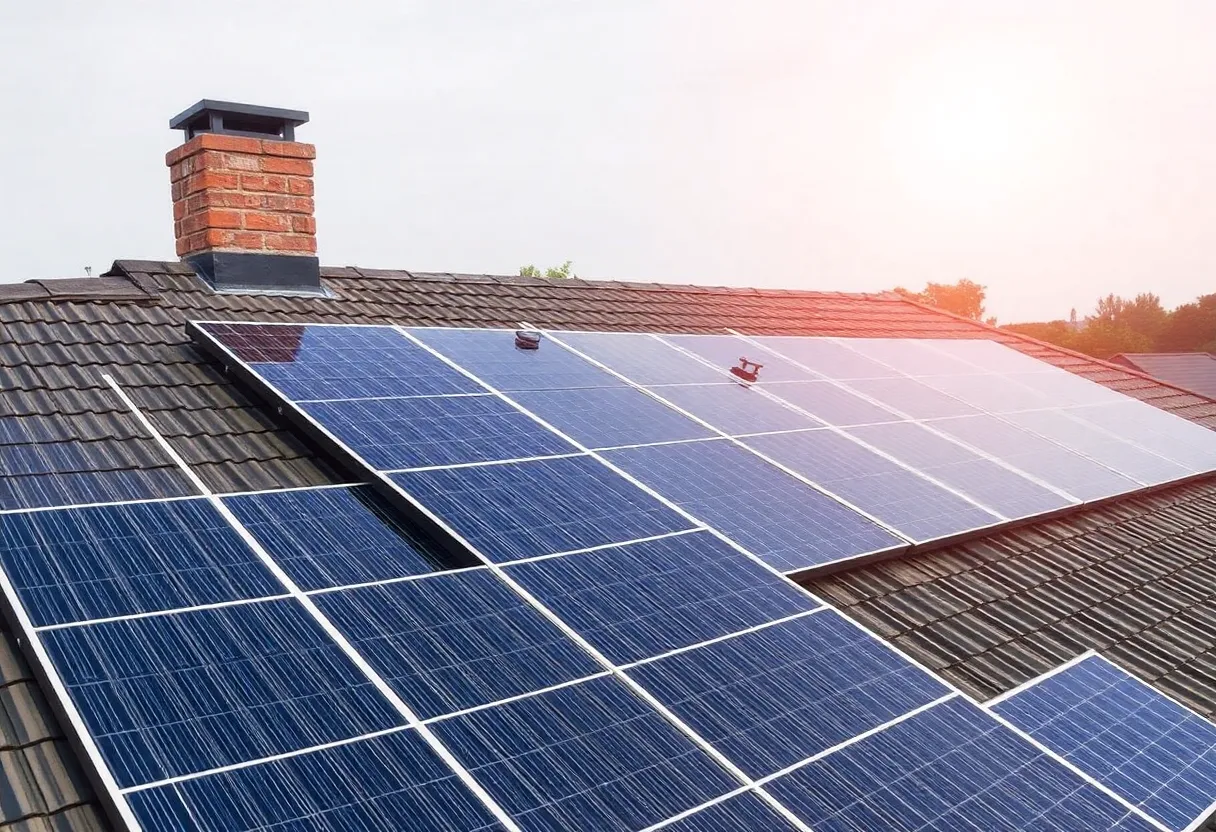
As increasing energy costs and environmental concerns fuel the shift towards renewable energy, solar panels are becoming an essential component of residential and commercial buildings. However, to fully capitalize on solar energy, it is vital to design your roof with efficiency in mind. This article outlines key considerations to ensure your roof maximizes solar panel performance.
Understanding Solar Panel Efficiency
Before delving into roof design, it is crucial to grasp what solar panel efficiency entails. Efficiency refers to the percentage of sunlight that the solar panels can convert into usable electricity. Several factors contribute to this efficiency, including:
- The type of solar panel used
- Orientation and angle of installation
- Shading and obstacle management
- Roof materials and thermal properties
Optimal Roof Orientation
One of the most significant factors affecting solar panel performance is the roof’s orientation. Ideally, solar panels should face true south in the Northern Hemisphere, maximizing their exposure to sunlight throughout the day. Here are essential points:
1. South-Southwest Orientation
For locations in the Northern Hemisphere, orienting panels towards the south-southwest achieves the most sunlight capture. This alignment helps in generating additional solar energy, especially during peak daylight hours.
2. East-West Orientation
In certain situations where south-facing roofs are unavailable, an east-west orientation can also be effective. Although it may reduce peak output, it can provide a more balanced energy generation profile. This setup captures morning and evening sunlight better.
Optimal Roof Pitch and Angle
The angle at which solar panels are installed influences their efficiency. The ideal tilt for solar panels varies depending on geographic location.
1. Angles by Latitude
- For locations in lower latitudes, a flatter angle ranging from 10 to 15 degrees works well.
- For moderate latitudes, a pitch of 30 degrees is generally optimal.
- Higher latitudes benefit from steeper angles, between 40 to 60 degrees.
2. Fixed vs. Adjustable Systems
While fixed systems provide ease of installation, adjustable systems can maximize efficiency by allowing for angle variations based on seasonal changes. However, consider the added complexity and cost of installation.
Shading Considerations
One of the critical factors in solar panel efficiency is direct sunlight exposure. Presence of shading from trees, buildings, or chimneys can dramatically reduce energy output.
1. Site Assessment
Perform a thorough analysis of potential shading obstacles around your property. Tools such as shading analysis software can help determine potential interferences at various times of the day and year.
2. Mitigation Strategies
Address shading through trimming trees, relocating obstacles, or opting for higher panels that avoid potential shadows. If adjustment is not feasible, consider using solar panels with micro-inverters that can minimize the impact of shading on overall performance.
Roof Materials and Thermal Properties
The choice of roofing materials can impact how well solar panels perform. Some materials absorb more heat, which could lead to reduced efficiency. Consider the following:
1. Reflective vs. Absorptive Materials
Light-colored or reflective roofing materials help keep the roof cooler, facilitating better performance of solar panels. Darker, absorptive materials, on the other hand, can increase the temperature beneath panels, potentially reducing efficiency.
2. Roof Insulation
Quality insulation not only protects your home but also improves solar efficiency. It helps maintain moderate temperatures on the roof, allowing solar panels to operate effectively.
Choosing the Right Solar Panel Type
Different solar panel types come with varying efficiencies and installation requirements. Common types include:
1. Monocrystalline Panels
Known for their high efficiency and spatial savings, monocrystalline panels work well in settings with limited roof space. They feature a sleek design and perform efficiently under low-light conditions.
2. Polycrystalline Panels
These panels are generally more affordable but less efficient than monocrystalline panels. They require more installation space and may be suitable for larger roofs.
3. Thin-Film Panels
Thin-film panels are flexible and versatile. They can be integrated onto materials that may not support traditional panels but generally have lower efficiency ratings.
Future-Proofing Your Roof Design
When designing your roof for solar panel installation, it is essential to consider future needs. Future-proofing ensures that the roof accommodates any advancements in solar technology or increased energy requirements.
1. Structural Integrity
Ensure that your roof can support additional loads, especially if you plan to increase the solar panel array in the future. Reinforcing the structure may be necessary during initial installations.
2. Anticipating Technology Changes
Solar technologies are advancing rapidly. Choose wiring and mounting systems that are adaptable for newer panel types or increased energy demands.
Consulting Professionals
While it is possible to undertake some aspects of roof design independently, consulting professionals can provide invaluable expertise. Specialists can offer tailored solutions based on site assessments and roofing conditions. Here’s what to consider:
1. Expert Assessments
Engaging professionals can identify optimal configurations, recommend suitable panel types, and ensure compliance with local regulations and building codes.
2. Cost-Benefit Analysis
Professionals can perform a detailed analysis of costs versus expected energy savings. This assessment helps in making informed decisions regarding the scale of installations and long-term benefits.
Conclusion
The design and configuration of your roof play vital roles in optimizing the efficiency of solar panels. By considering roof orientation, pitch, shading, construction materials, and future needs, homeowners and building owners can harness the full potential of solar energy. Investing time and resources in an effective roof design will lead to meaningful savings on energy costs and contribute positively to environmental sustainability.

 Mays Contracting